Cart
0
You may also like
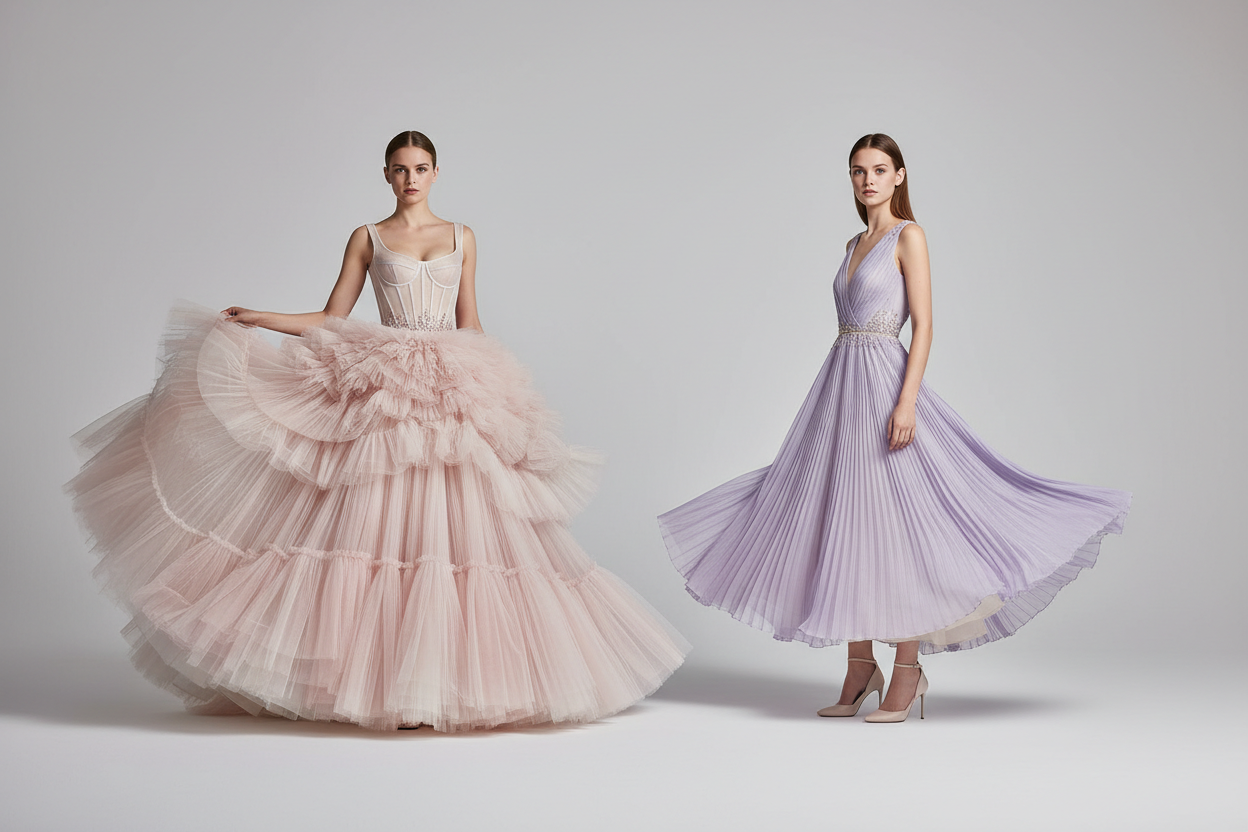
Master the art of creating beautiful, voluminous dresses and skirts with expert fabric choices and design techniques. Discover how to add fullness gracefully for every occasion.
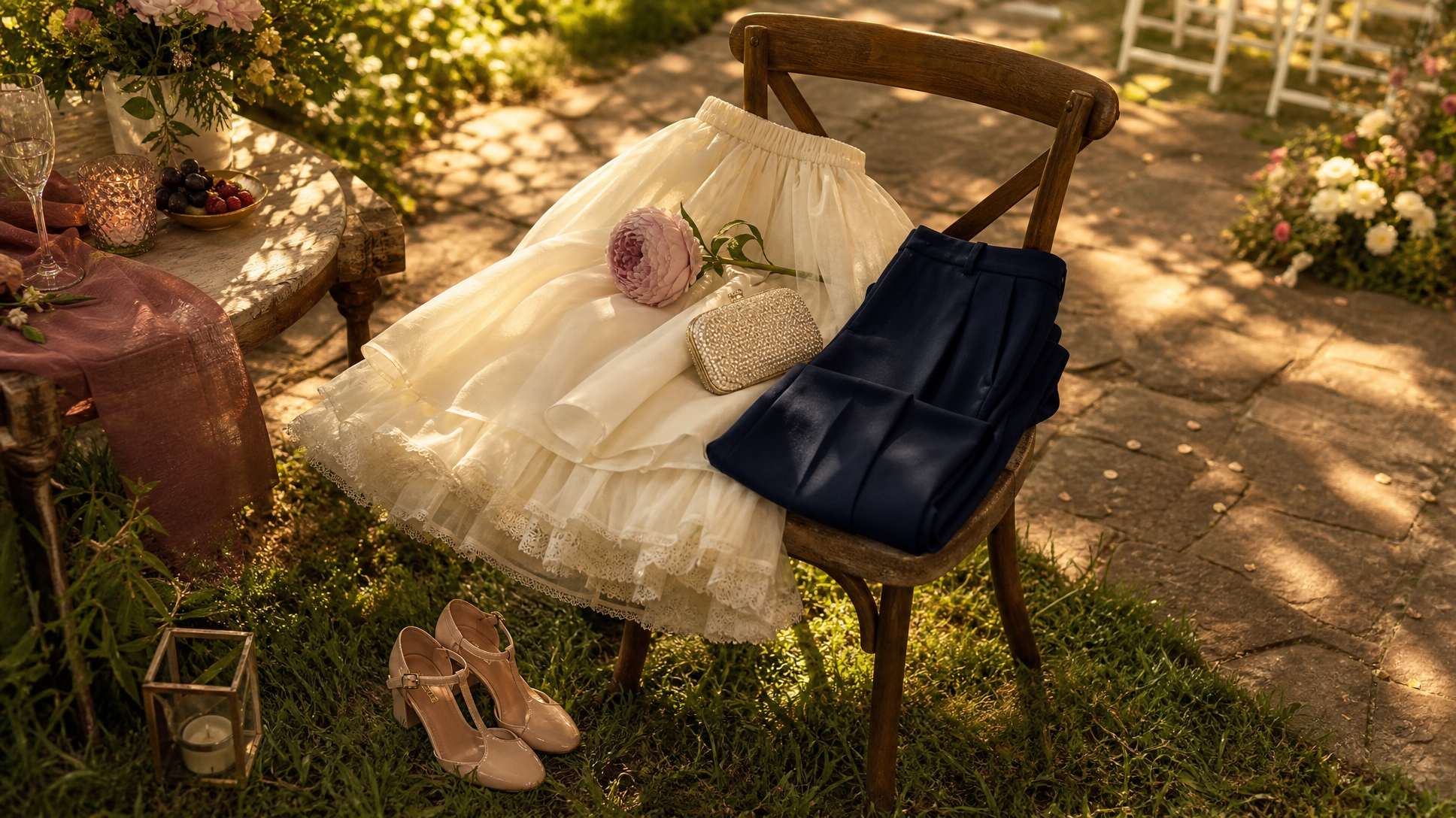
Adding volume to dresses is more than just making a garment bigger; it’s about creating a visually captivating shape that enhances flow, movement, and style. Fullness turns a simple dress into a statement – perfect for weddings, parties, or special occasions. The secret often lies in layering and fabric choice. Stiff fabrics and underskirts help maintain structure and poofiness without weighing you down.
For an in-depth understanding of foundational layers, visit our post on What Is a Petticoat? Uses, Types, and Materials Explained.
Using stiff fabrics is one of the most trusted ways to achieve volume in dresses. These materials support the dress structure and create that coveted full appearance. Here are the top five key stiff fabrics:
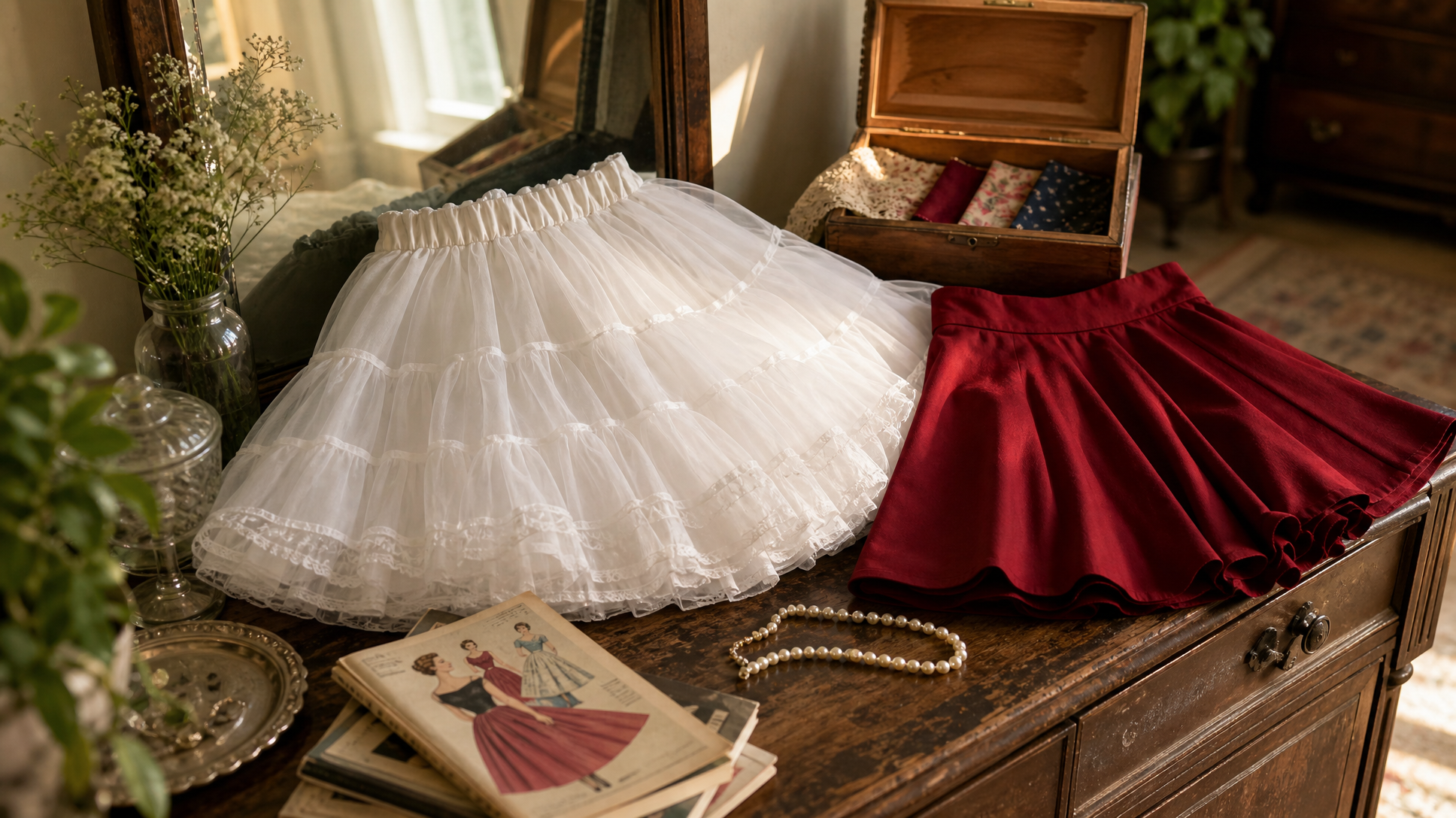
Lightweight and chemically treated cotton or polyester, crinoline is ideal as an underskirt layer to widen skirts without heaviness. Its texture is slightly coarse but effective for fullness.
Explore more about petticoats in our guide: Types of Petticoats: Choosing the Perfect Layer for Your Dress.
Nylon or polyester netting provides airy volume without bulk. Tulle, recognized for its soft, fluffy feel, is common in bridal and evening wear for dreamy fullness.
Discover tips on style with tulle in our post: Tutus for Women: Your Ultimate Style Guide.
Often sewn into hems, this stiff nylon braid adds poof at edges without bulk elsewhere. It can be rough, so lining is recommended.
Learn how to style it expertly with How to Choose and Style Petticoats for Every Occasion.
Sheer, crisp, and lightweight, these fabrics are layered for sharp volume, adding elegant structure to skirts and gowns.
More on fabrics here: What Are Tutus Made Of? Exploring Fabrics and Materials.
A heavyweight, bonded fabric used for firm shaping, buckram holds volume brilliantly but requires care as it’s sensitive to water and heat.
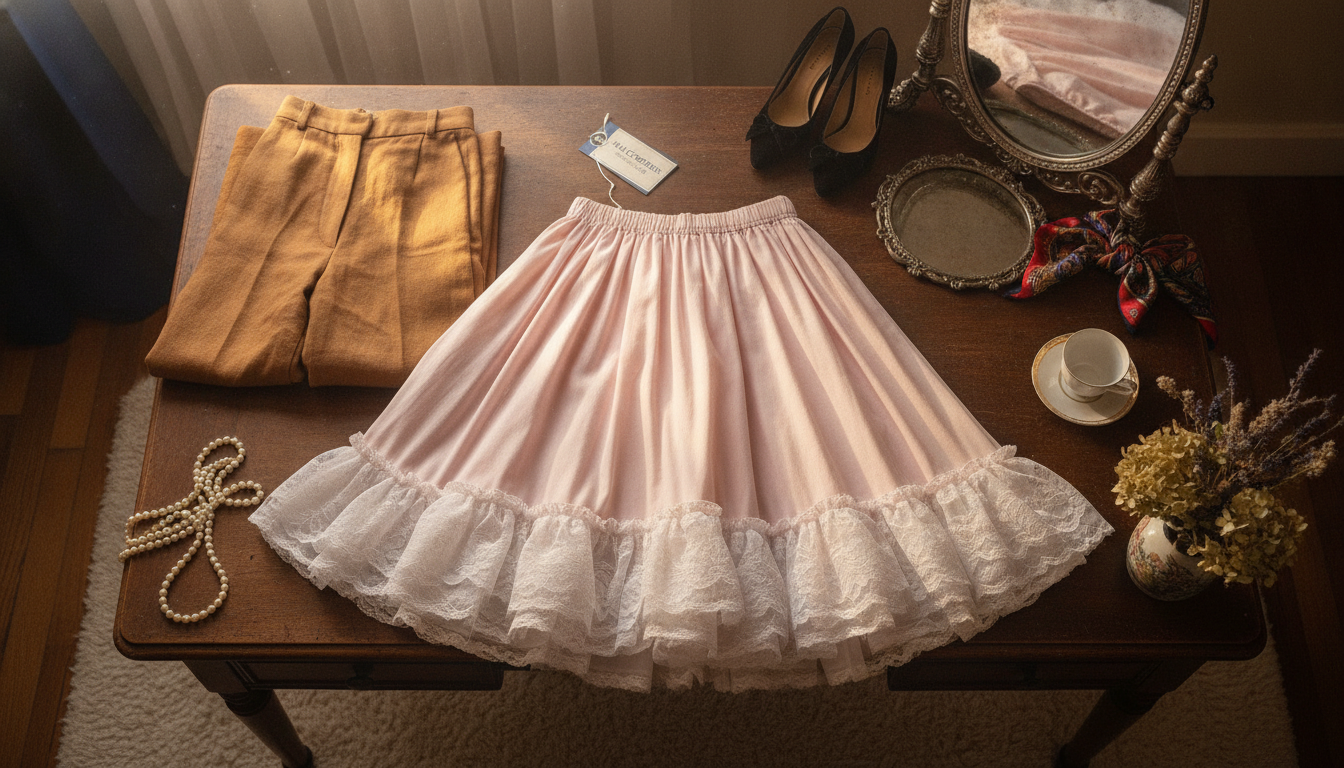
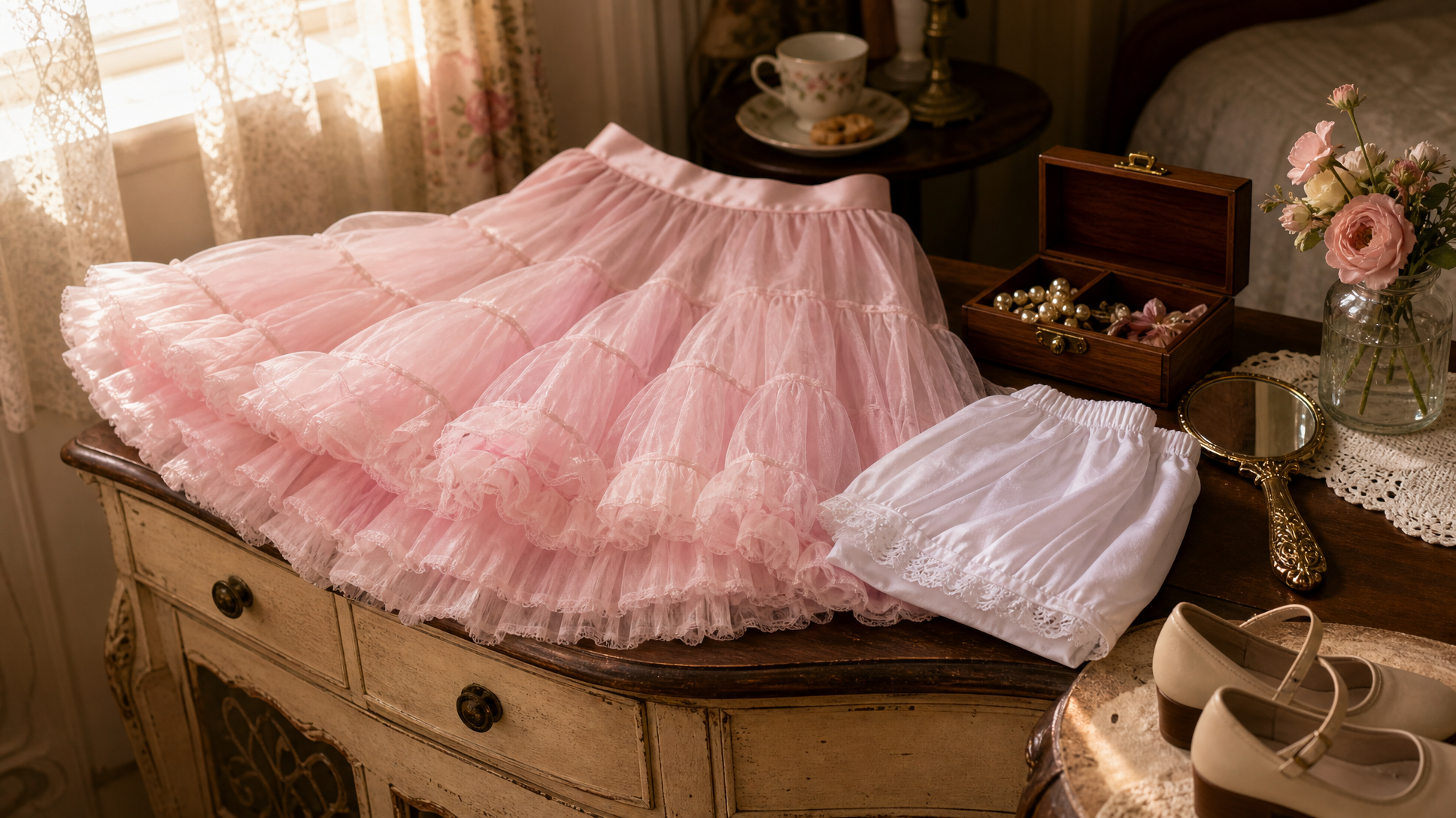
Petticoats are key to adjustable volume; worn beneath dresses, they add dimension without permanent fabric changes. They can be layered or removed easily to suit the occasion.
Read about versatile under-layers in Celebrate Thanksgiving in Style with Women's Pettipants.
Types Include:
Designers combine fabrics and techniques to optimize volume:
Volume should not compromise comfort. Some stiff fabrics may irritate skin, so soft linings or proper undergarments are vital. Learn about these in Understanding Pettipants: The Versatile Undergarment for Every Occasion.
Consider mobility; overly full skirts might hinder walking or dancing. Adjust volume to personal comfort and occasion. Also, note volume layers affect length and fit, important in bridal gowns.
In summary, adding volume can be achieved by:
The optimal choice depends on dress style, occasion, and wearer comfort. These techniques will help you get a stunning, full silhouette that impresses and feels great.
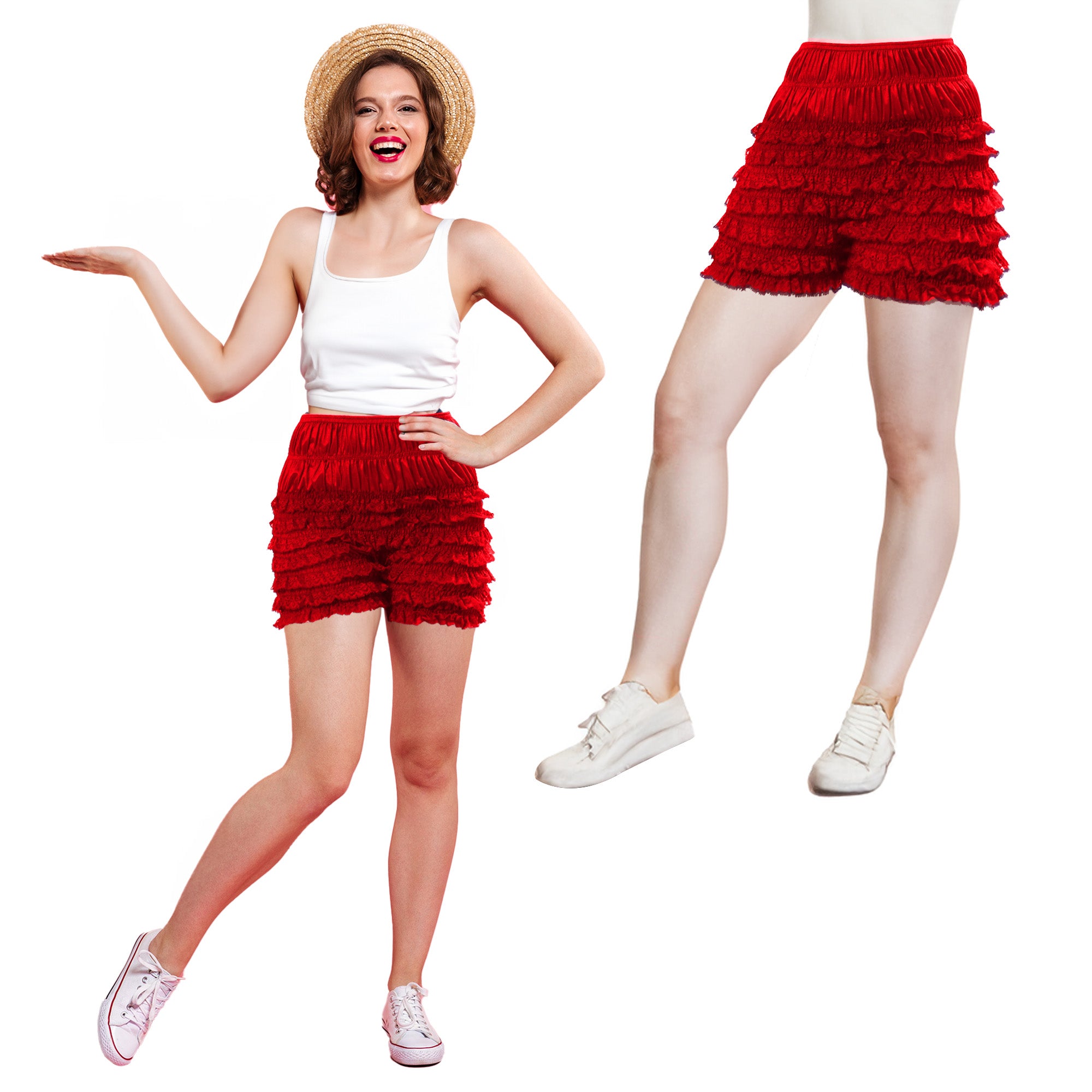
Malco Modes Lace Ruffle Red Shorts for Women