Cart
0
You may also like
Unlock the charm of timeless fashion by mastering petticoats—from period-accurate layering techniques and trusted vintage brands to practical care tips ensuring your silhouette stays stunning and authentic across eras.
Petticoats were never just about fashion flair—they were the backbone of historical dress volume and shape. Achieving accurate period silhouettes demands understanding how layering evolved throughout the centuries and how to recreate it today with comfort and style.
During this era, voluminous skirts were achieved by layering up to six heavy petticoats made from stiff fabrics like horsehair mixed with linen or cotton threads. These corded or starched muslin petticoats created the foundational bell shapes loved in the early Victorian period. Women even layered flannel bases beneath for warmth. Such multiple layers were bulky and could be uncomfortable, but they defined fashion and function—essential for a wide skirt silhouette.
The introduction of metal hoops revolutionized skirt volume, replacing some petticoat layers. Women typically wore 2-4 petticoats combined with hoops to create a dramatic flare while reducing weight. Despite hoops' glide-through challenges like doorways, the combination of hoops and soft petticoats delivered the iconic hourglass shapes.
Skirts evolved into wider shapes, flatter fronts, and fuller backs using bustles and bum pads. Petticoats were minimized to 2 or more layers, often featuring 5-7 gores and frills restricted to the lower third or hem, tailored to follow the soft flare of skirts. Quilted or padded petticoats added comfort and warmth underneath.
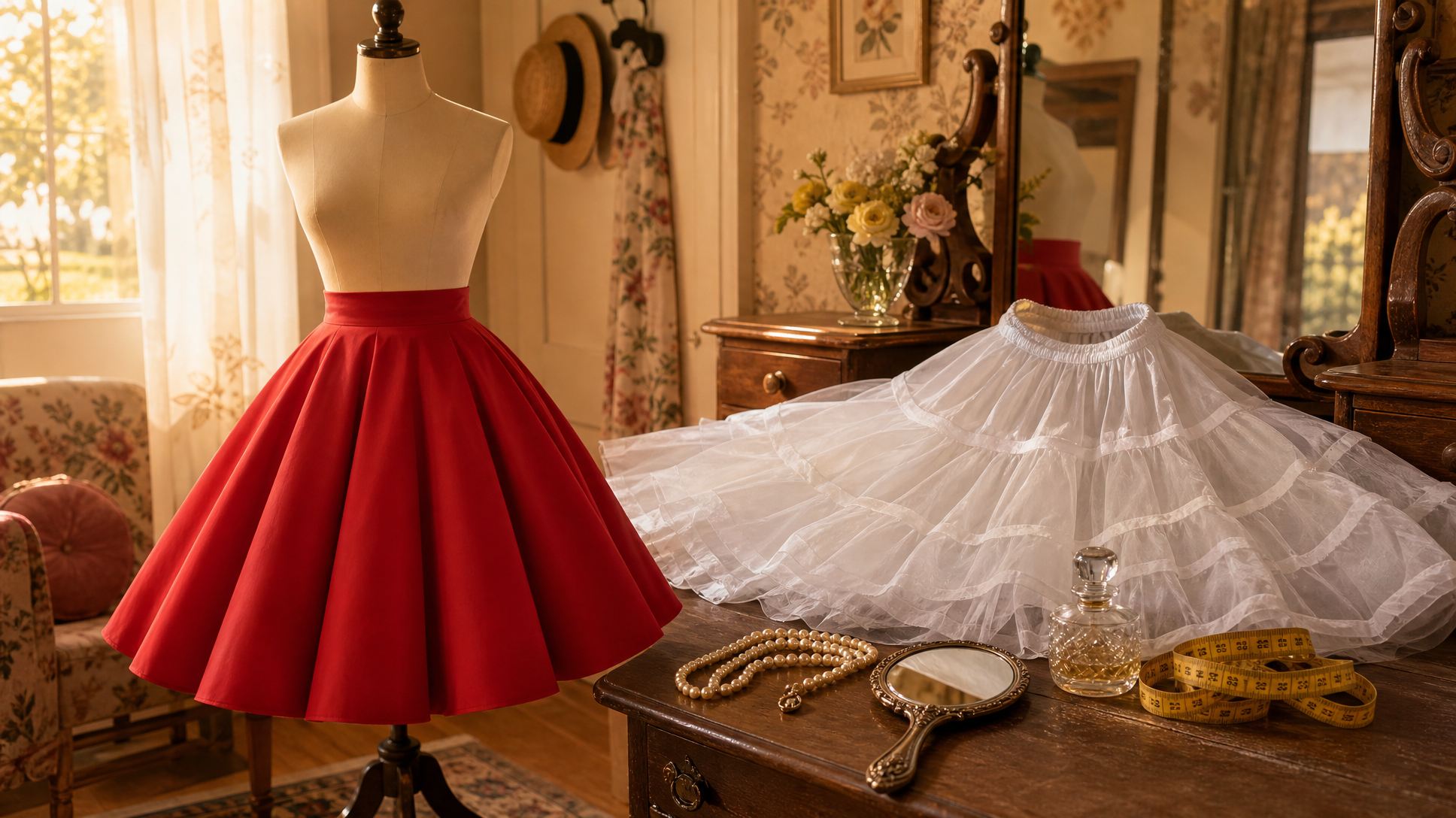
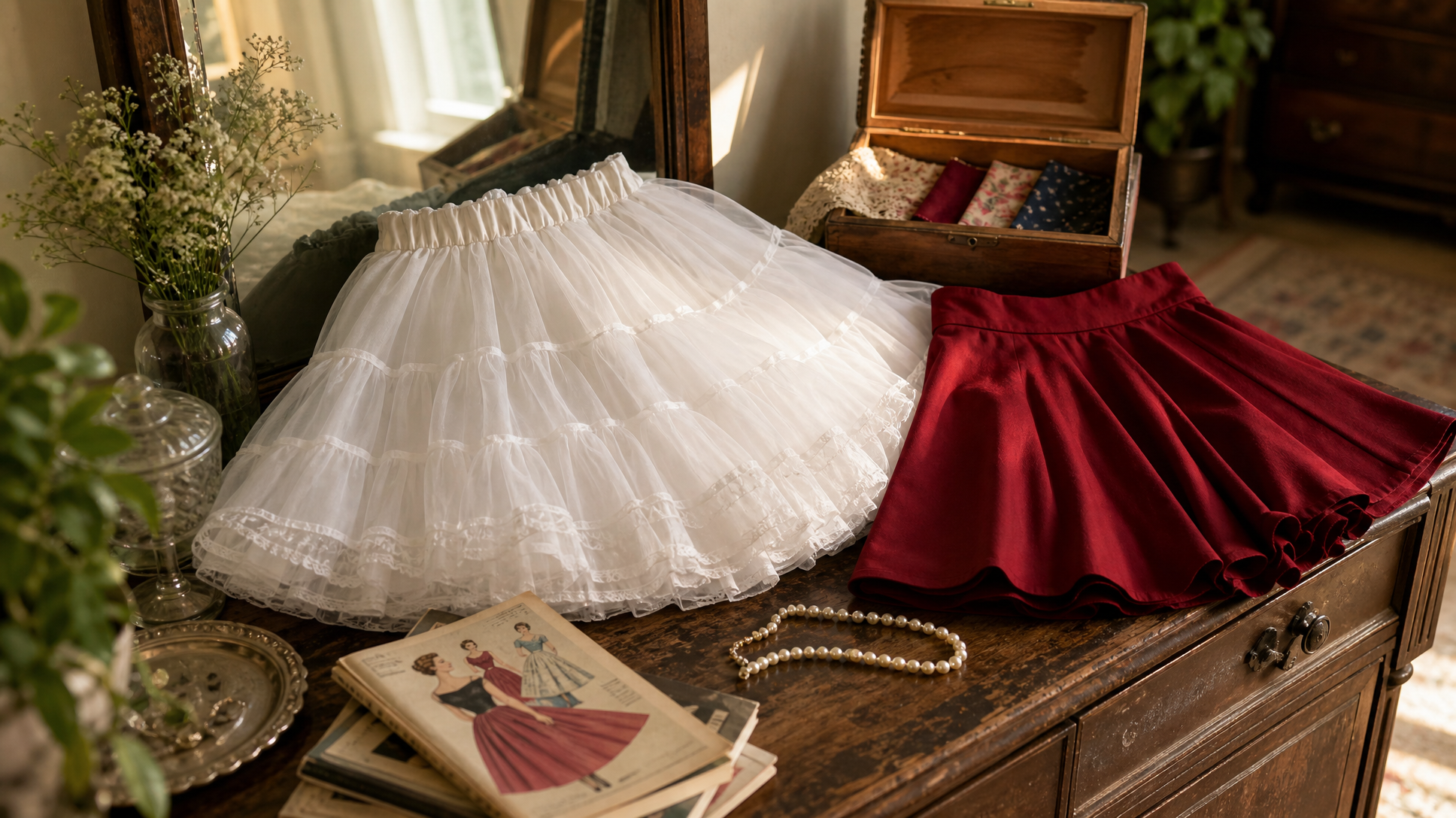
Full skirts made a stylish comeback in the 1950s with petticoats crafted from layers of fine netting or tulle—sometimes up to five net petticoats were worn to recreate the dramatic fullness of earlier crinoline days. These net petticoats used yards of fabric per layer, delivering a lightweight yet voluminous effect ideal for swing and circle skirts. Hoops remained an alternative for women seeking stronger support despite mobility challenges.
By blending these historical ideas with modern comfort and fabric technology, you can create accurate and wearable petticoat layers for any era, season, or occasion. For more insights, read our article on types of petticoats.
Selecting quality petticoats today means opting for brands that honor both traditional silhouettes and modern comfort. Here are top vintage-inspired and bridal-oriented brands trusted by fashion enthusiasts:
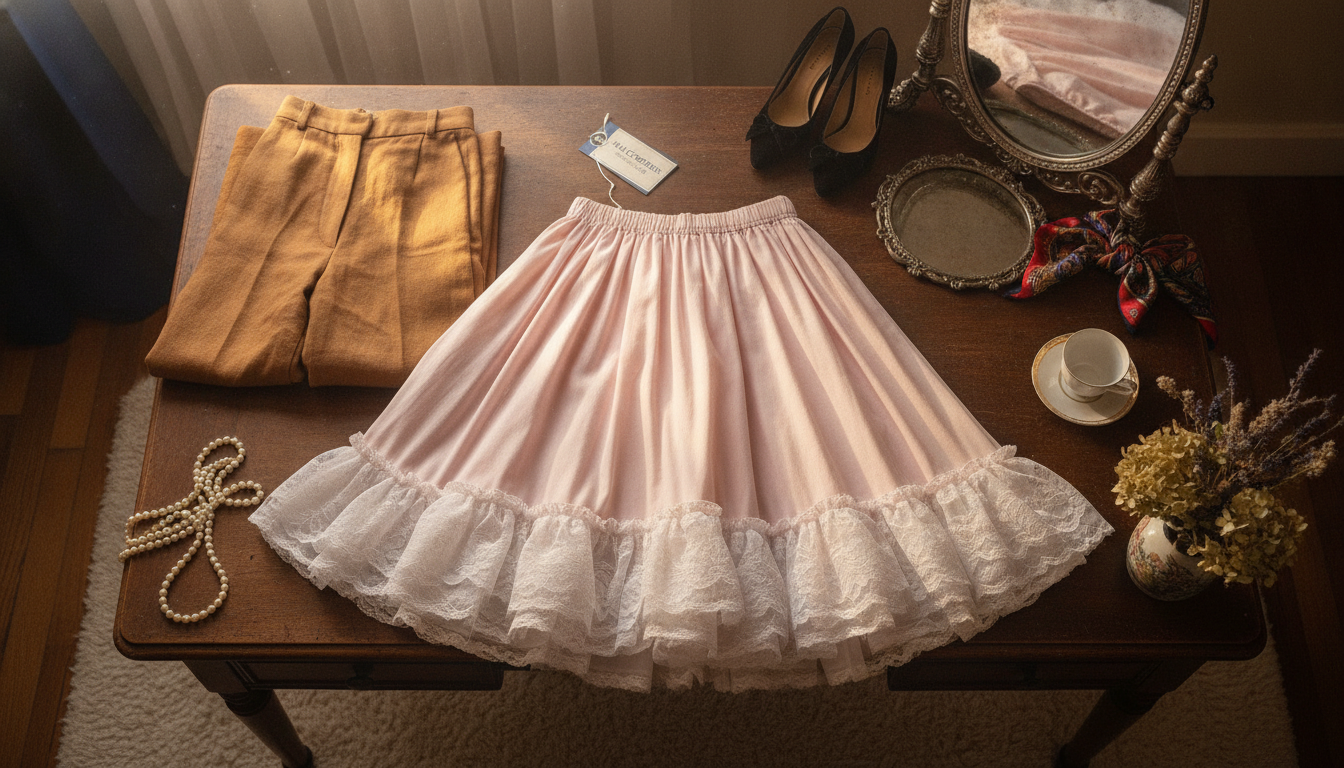
Known for its premium craftsmanship, Malco Modes offers a range of petticoats ideal for 1950s-style swing dresses and elegant vintage looks. Their designs emphasize timeless fullness with durable fabrics and precise construction—though they come at a higher price point. Malco Modes petticoats deliver comfort and volume that last through many wears.
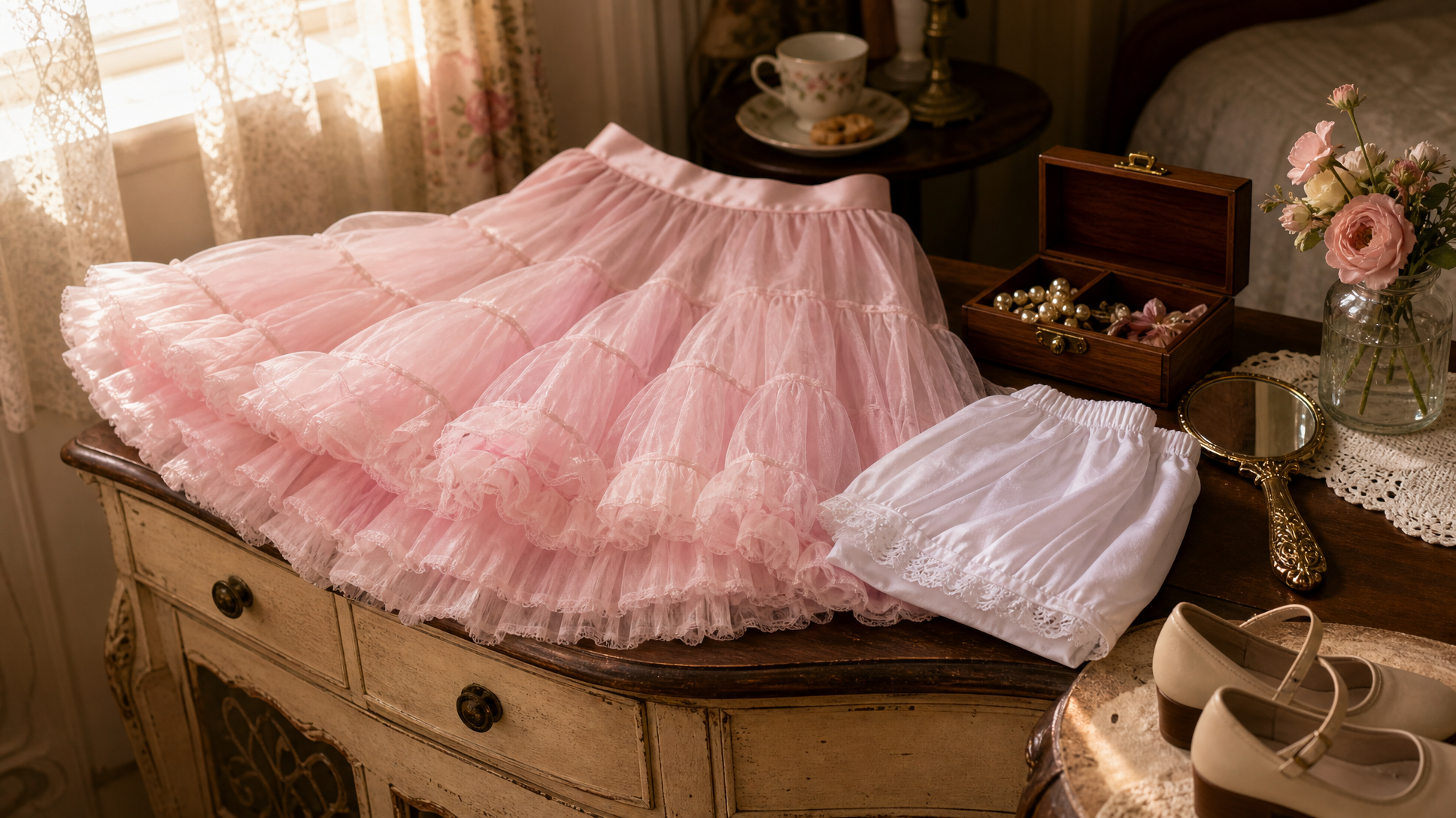
Banned Apparel provides soft and fluffy petticoats available in multiple sizes and colors, perfect for everyday vintage looks or special occasions. Vivien of Holloway stands out with longer lengths and comfortable waistbands featuring flat finishes that smooth your silhouette underneath dresses. Both brands receive praise for balancing authentic volume with wearability.
While popular for retro styling, Hell Bunny petticoats often suffer from poor material quality resulting in itchiness and discomfort. For those seeking long-term value and comfort, exploring other brand options may yield better experiences.
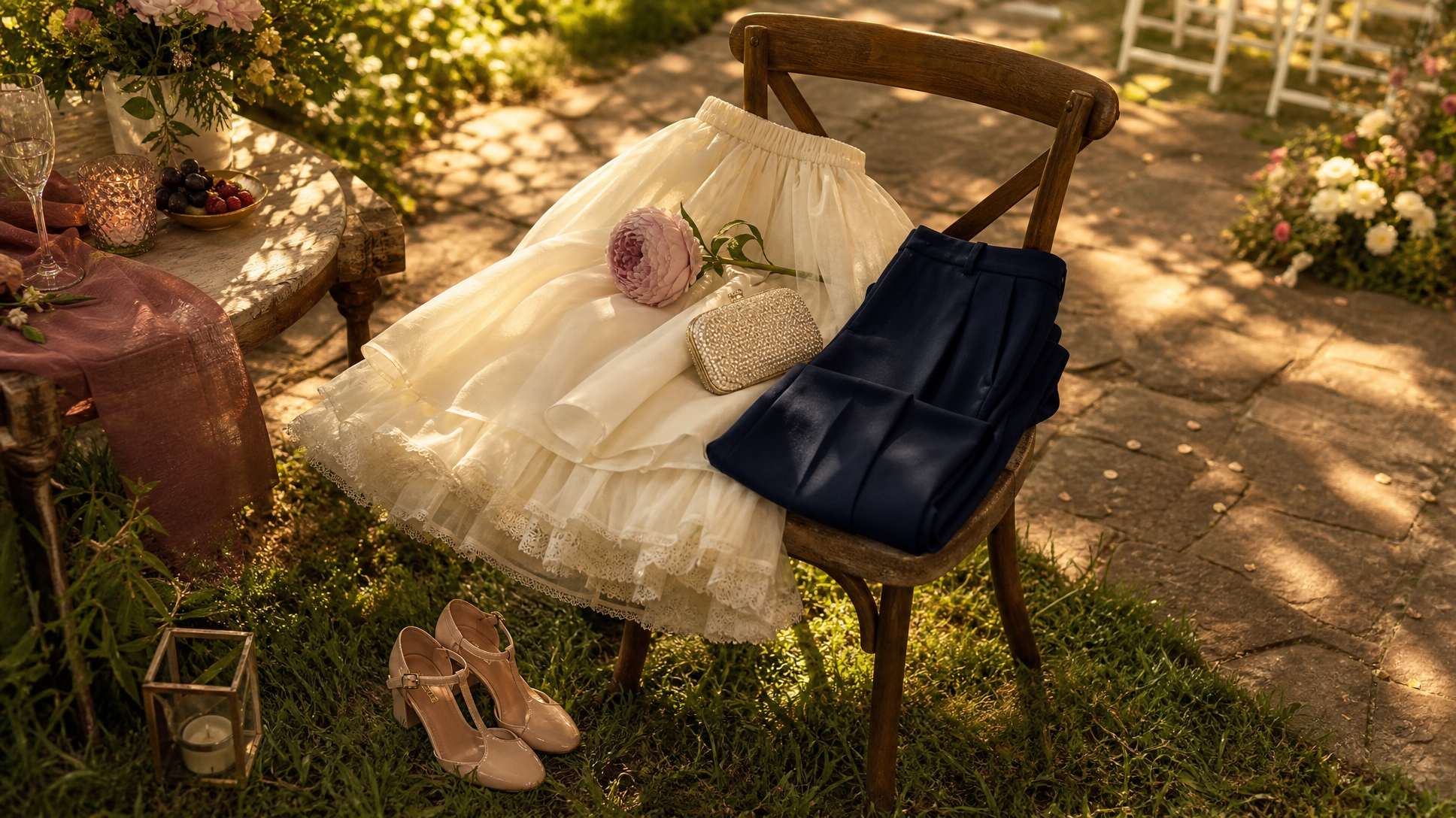
Brands like Richard Designs specialize in bridal petticoats with multiple metal hoops combined with stretchy powernet waistbands. These offer smooth support and shape while distributing weight evenly under heavy gowns. Satin trims and seamless finishes ensure invisibility beneath your dress for a flawless look.
Celebrate the season with savings — get 5% off your order using code EXCLUSIVE5 at checkout
Investing in the right brand makes all the difference, whether you’re stepping into a historical reenactment, a vintage party, or your wedding day. For more details on petticoats, check out our comprehensive guide on the timeless elegance of petticoats.
Proper care keeps your petticoat fluffy, shaped perfectly, and ready for many wears. Here’s how to maintain and restore petticoat volume:
Historically, women recycled starch and rewound hoops to prolong use. Today, repairs, dyeing, and creative repurposing (like lampshades or craft projects) reduce waste and keep your cherished layers alive. Follow these care tips to honor this eco-friendly legacy.
For more care tips, refer to our post on choosing and styling petticoats for every occasion.
For costume makers, sewists, and reenactors, understanding period-specific construction details ensures authenticity. Here are important technical notes:
Layering habits differed widely by social class and geography—frontier women sometimes layered heavily for warmth and durability, while urban elites focused on style and elaborate silhouette. For additional insights, read about the perfect petticoat or pettipant.
Petticoats are more than just layers under a dress; they tell stories of social history, climate adaptation, and evolving beauty ideals. From Laura Ingalls Wilder’s heavy frontier layering to modern brides seeking timeless elegance, petticoats connect us to the past and sustain a tradition of craftsmanship and feminine style.
Whether you’re passionate about impeccable period accuracy or love the flair of retro fashion, mastering the art of petticoats opens a world of creativity and authenticity. With the right knowledge on layering, trusted brands, and loving care, your petticoats will not only complete your look but also honor an enduring fashion legacy.
Celebrate your style—game on always!