Cart
0
You may also like
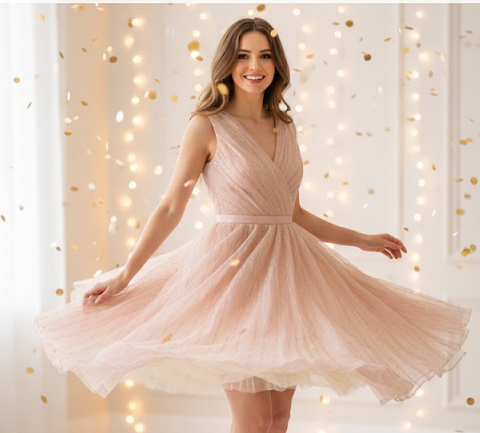
Step back into the 1870s, when fashion's palette exploded with the invention of synthetic dyes. This breakthrough shifted garments from dull natural shades to vivid, lasting colors accessible to a growing audience. The introduction of the first synthetic dye, mauveine, unlocked a spectrum of brilliant purples, reds, blues, and yellows that redefined style and affordability alike. This era's colorful transformation reshaped women’s and men’s fashion, children’s clothing, and broader cultural fashion trends.
The birth of synthetic dyes traces to 1856 and William Henry Perkin’s serendipitous creation of mauveine, a bright purple dye synthesized from coal tar. Prior to this, natural dyes dominated fashion but came with limitations — muted colors, high costs, and short-lived vibrancy.
Synthetic dyes like mauveine, fuchsine, aniline blue, and vivid yellows and pinks revolutionized color application: colors became bolder, longer-lasting, and affordable. The 1870s embraced these dyes, spawning a fashion democratization where brilliant hues spread across social classes, broadening access to stylish, colorful clothing.
The 1870s fashion scene thrived on color intensity and vibrancy:
Women’s attire featured elaborate shapes like the “first bustle” and the sleek “princess line” popularized by Princess Alexandra of Wales. These designs provided perfect canvases for eye-catching synthetic dye colors, often in layered ruffles and matching trims showcasing bright purples, blues, and reds.
Men’s fashion favored deeper, subdued tones such as navy, black, and gray. Synthetic dyes ensured suits and formalwear retained crisp, colorfast appearances. Accents like neckties and watch fobs brought in richer hues, balancing sophistication with understated style.
Children’s garments echoed adult fashions with miniature styles and focused on practicality. Girls wore vibrant princess-line inspired dresses while boys transitioned to colorful velvet suits and breeches, illustrating the wide influence of synthetic dyes across all ages.
Discover more on the 1870s silhouette and style trends here.
The synthetic dye revolution extended beyond vibrant colors; it shifted social paradigms and spurred fashion innovations:
The Vintage Fashion Guild (VFG) is pivotal in preserving and educating about historical fashion, including the colorful 1870s era influenced by synthetic dyes. Their curated resources and community efforts keep vintage knowledge alive for enthusiasts, designers, and historians alike.
Learn more at the Vintage Fashion Guild website.
Margaret Knight’s Fashion Through the Ages: From Overcoats to Petticoats is an engaging illustrated book that introduces children and beginners to Western fashion history, including the bright styles of the 1870s. Interactive elements make learning about fashion’s evolution fun and accessible.
Find it through Tango Books (ISBN 9781783376429) and major retailers.
The introduction of synthetic dyes in the 19th century reshaped fashion by enabling:
The vibrant purple, red, and blue hues of the bustle and princess-line dresses tell stories of cultural transformation and fashion innovation that continue to inspire.
Dive deeper into vintage fashion’s vibrant history and join communities preserving its legacy. The 1870s perfectly illustrate how scientific breakthroughs intersect with cultural shifts to create enduring style innovations. Celebrate fashion as a lively, ever-evolving art form accessible to all.
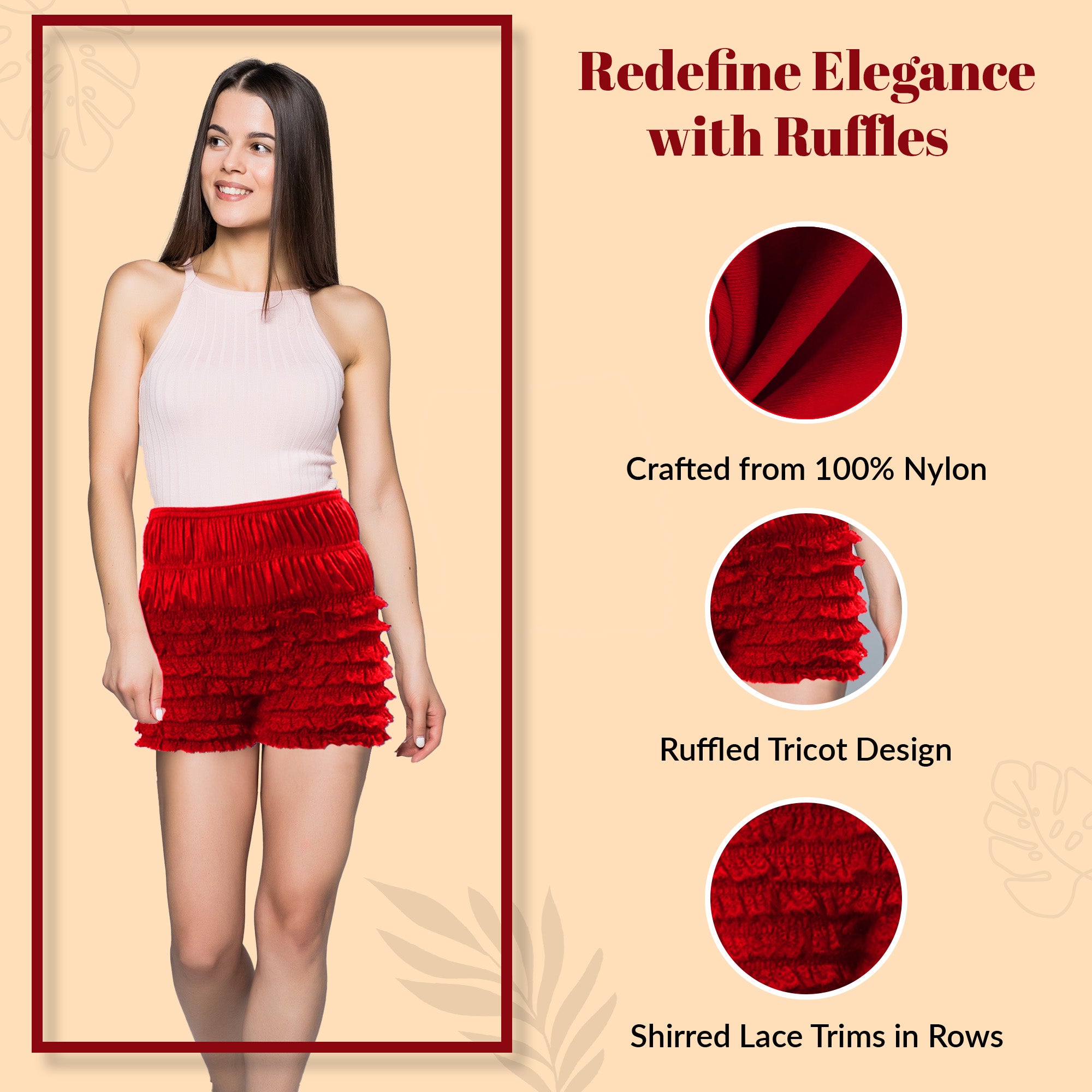
Vintage-inspired vibrant red lace ruffle shorts embodying the lively color spirit pioneered in the 1870s.
Synthetic dyes offered brighter, more diverse, and longer-lasting colors at lower costs compared to natural dyes, which faded quickly and were often expensive to produce.
By making vivid colors affordable, synthetic dyes allowed broader social classes to access fashionable clothing, democratizing style beyond the wealthy elite.
Yes, synthetic dyes remain a foundation of modern textile coloring, although there is growing interest in sustainable and eco-friendly dyeing methods.
Organizations like the Vintage Fashion Guild and educational books such as Fashion Through the Ages provide excellent resources for vintage fashion enthusiasts.