Cart
0
You may also like
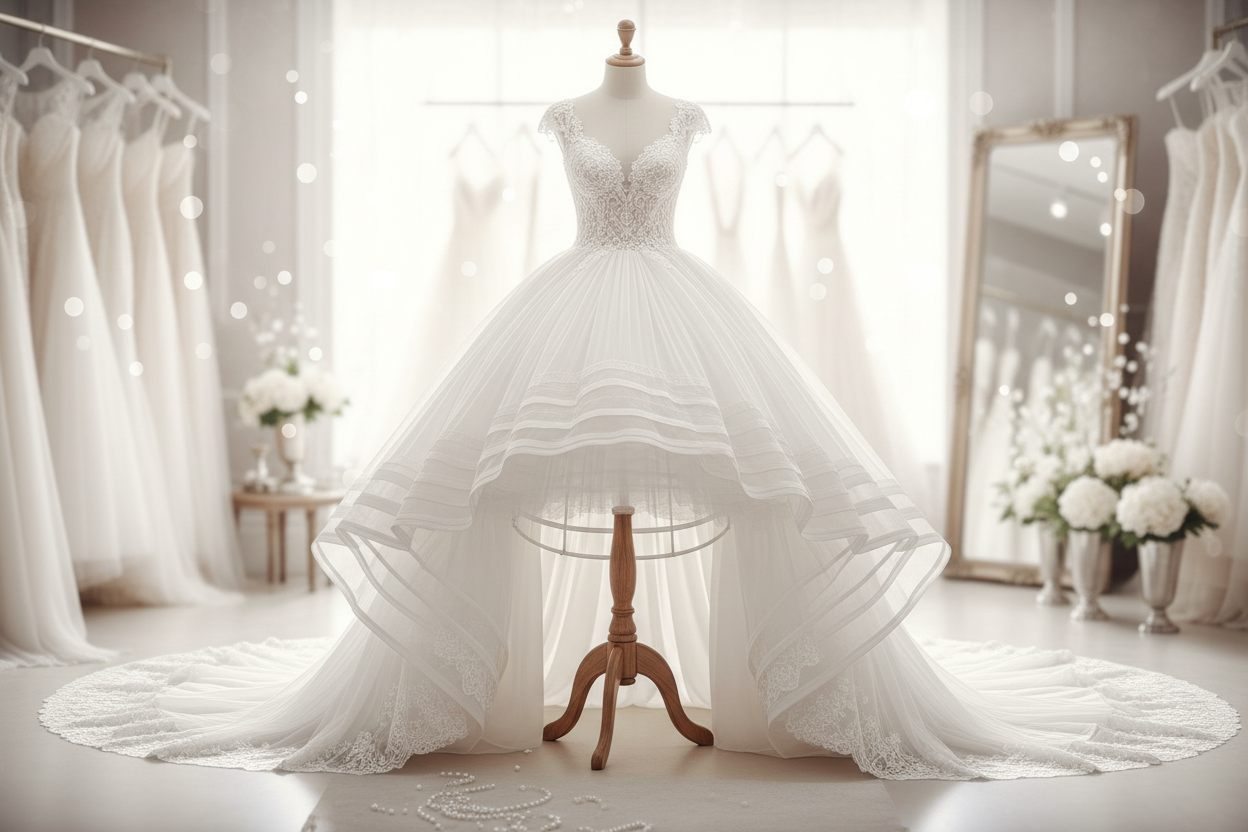
Discover how the right wedding dress petticoat can transform your gown’s silhouette, enhance comfort, and elevate your bridal look with expert tips and industry insights.
When planning your dream wedding, every detail counts—especially when it comes to your dress silhouette. One bridal accessory that often flies under the radar but holds transformative power is the wedding dress petticoat. This essential undergarment is what gives your gown that enviable volume, shape, and flow, turning fabric from flat to fabulous. Whether you’re dreaming of a grand ballgown or a subtle A-line finish, the right petticoat ensures your dress looks stunning and feels comfortable all day long.
In this comprehensive guide, we’ll dive into everything you need to know about wedding dress petticoats—from styles and materials to selection tips and care advice. Armed with expert insights and real bride feedback, you’ll be ready to make an informed choice that elevates your wedding look while keeping comfort in check.
Before we explore styles and fabrics, let’s clarify what a wedding dress petticoat actually is. Simply put, it's an underskirt designed to create volume and structure under a bridal gown. Petticoats:
For gowns with structured shapes—like ballgowns or voluminous A-line dresses—a petticoat is often indispensable because fabric alone won’t create the desired drama. In contrast, fluid dresses such as chiffon or bias-cut gowns may not need or benefit from a petticoat and can actually suffer reduced mobility if paired with one.
Think of the petticoat as the secret styling “sauce” that transforms your gown from ordinary to extraordinary, all while enhancing comfort during your big day.
For more detailed bridal styling advice, visit: What Is a Petticoat? Uses, Types, and Materials Explained
Petticoats come in multiple styles, each designed to complement specific dress silhouettes and achieve varying levels of volume. Understanding these styles helps you pick one that aligns with your wedding dress and personal preference.
Each style offers different full-volume effects and comfort levels. For example, hoop petticoats deliver bold shape but might restrict movement slightly, while crinolines are more breathable and flexible.
Expert wedding planner Daniel Martinez outlines how various types suit different gown styles: Types of Petticoats: Choosing the Perfect Layer for Your Dress
The fabric and craftsmanship of your petticoat impact both the look and feel during your wedding day. Common materials and features include:
Multi-layered blends of tulle and netting with thoughtful waistband and seam construction create petticoats that last all day and feel good. Avoid petticoats with rough seams or low-quality elastic that can cause discomfort or frequent readjusting.
For a deeper look into the types of fabrics used, you might enjoy: What Are Tutus Made Of? Exploring Fabrics and Materials
Selecting a petticoat isn’t just about adding volume—it’s about achieving the right silhouette, comfort, and practicality. Here’s how to choose:
Match the petticoat style to your dress shape: hoop for grand ballgowns, soft layered tulle for A-line, subtle shaping slips for mermaid gowns.
Make sure petticoat length corresponds to your dress length or train to avoid unsightly exposure or bunching at the hem.
Look for breathable linings and adjustable waistbands. Comfort is critical when wearing a petticoat for hours.
Some petticoats offer removable layers, drawstrings, or adjustable panels to customize fullness throughout the day.
If you prioritize dance and movement, opt for lighter, more flexible petticoats without hoops.
Mid-tier specialty bridal brands often give the best quality-to-price balance. Avoid cheap low-quality options that sacrifice comfort or durability.
According to a review analysis of over 1,200 buyer experiences, common praises include improved dress silhouette and all-day comfort, while complaints mostly focus on waistbands slipping or uneven volume distribution.
For tips on how to choose petticoats for any occasion, check out: How to Choose and Style Petticoats for Every Occasion
Lately, volume-filled vintage-inspired bridal styles have made a strong comeback, amplified by social media’s fascination with dramatic, princess-like gowns. This surge has expanded the petticoat market with more customization options.
Brands like Shapewatch and Glamourise are preferred for combining quality, style, and wearability, helping brides achieve their desired look effortlessly.
To keep your petticoat looking pristine and ensure your safety, follow these guidelines:
Proper care not only extends the life of your petticoat but also contributes to a smooth, worry-free wedding day.
Petticoats are fantastic for enhancing gowns made from materials like taffeta, organza, or layered tulle. However, for more fluid fabrics such as chiffon or bias-cut silks, petticoats can hinder the natural drape and reduce comfort and mobility.
Brides should never compromise movement and comfort for volume. If your dress has a soft, flowy silhouette, embracing its natural fabric flow without a petticoat is often best.
For insight on the various uses of petticoats, you might like: The Timeless Elegance of Petticoats: A Comprehensive Guide
A wedding dress petticoat is much more than an undergarment; it’s a bridal essential that shapes your gown’s silhouette, enhances your comfort, and elevates your photos. By understanding the variety of styles, materials, and fit options, you can choose a petticoat that complements your dress perfectly without sacrificing ease of movement or all-day wearability.
From the drama of hoop skirts to the subtle shaping of layered tulle slips, your chosen petticoat will be the silent partner that helps you look and feel gorgeous on your big day. Choose wisely, care properly, and enjoy the magic of your wedding dress in full, flowing glory.
For more inspiration and expert advice on bridal styling and accessories, check: Celebrate Mother's Day with a Gift of Petticoats
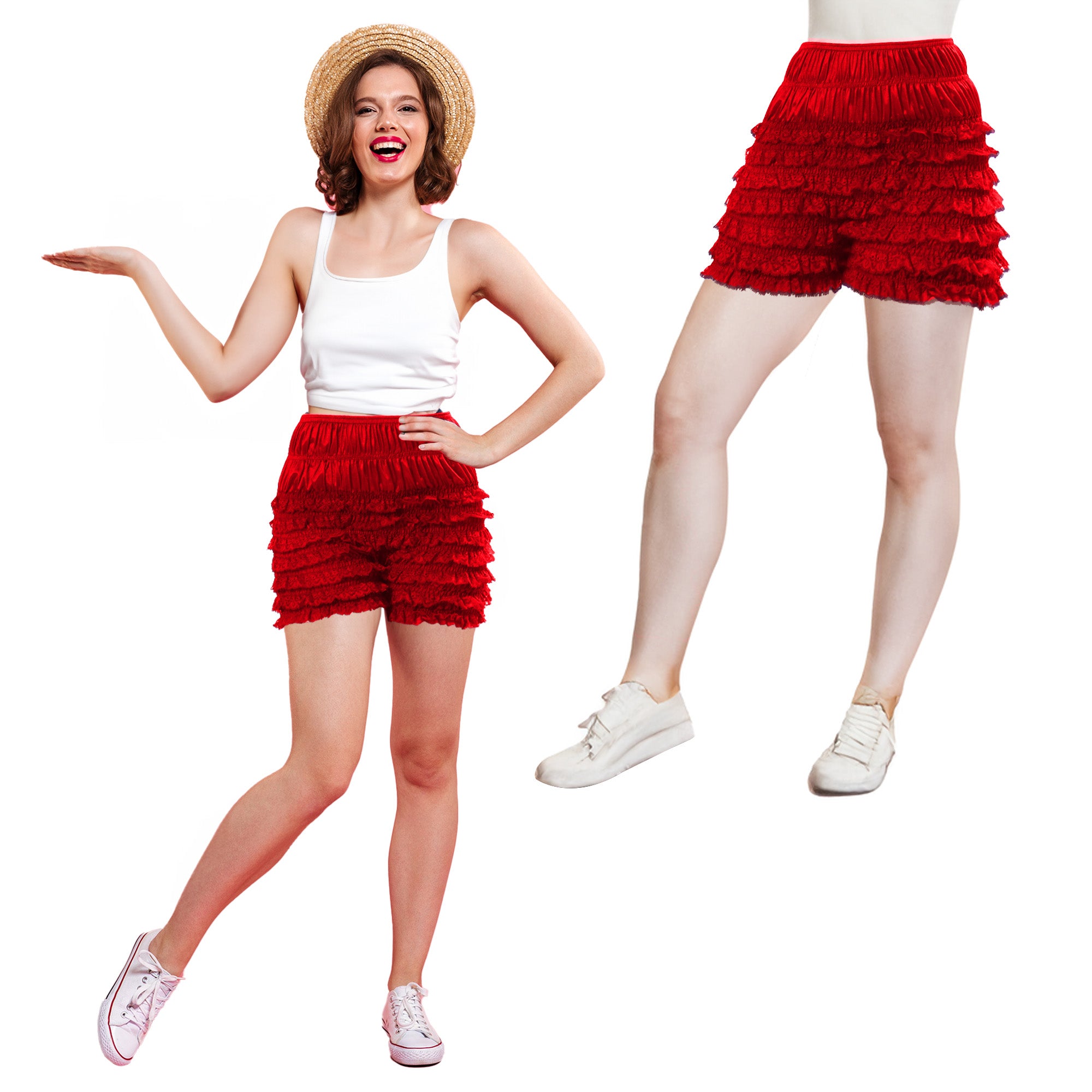
Featured Style Accent: Malco Modes Lace Ruffle Red Shorts for Women
A hoop petticoat includes plastic or metal hoops sewn into layers to create a dome-shaped volume, offering dramatic structure, while a crinoline is made from stiff netting or tulle without hoops, providing lighter, flexible volume.
Chiffon wedding dresses typically have a fluid, soft silhouette that does not benefit from a petticoat. Wearing one might hinder the natural drape and reduce your mobility, so it's often better to skip the petticoat for such gowns.
Hand wash your petticoat with mild detergent and air dry away from sunlight. Store it in a breathable garment bag to maintain shape and prevent damage. Follow any specific care instructions provided by the manufacturer.