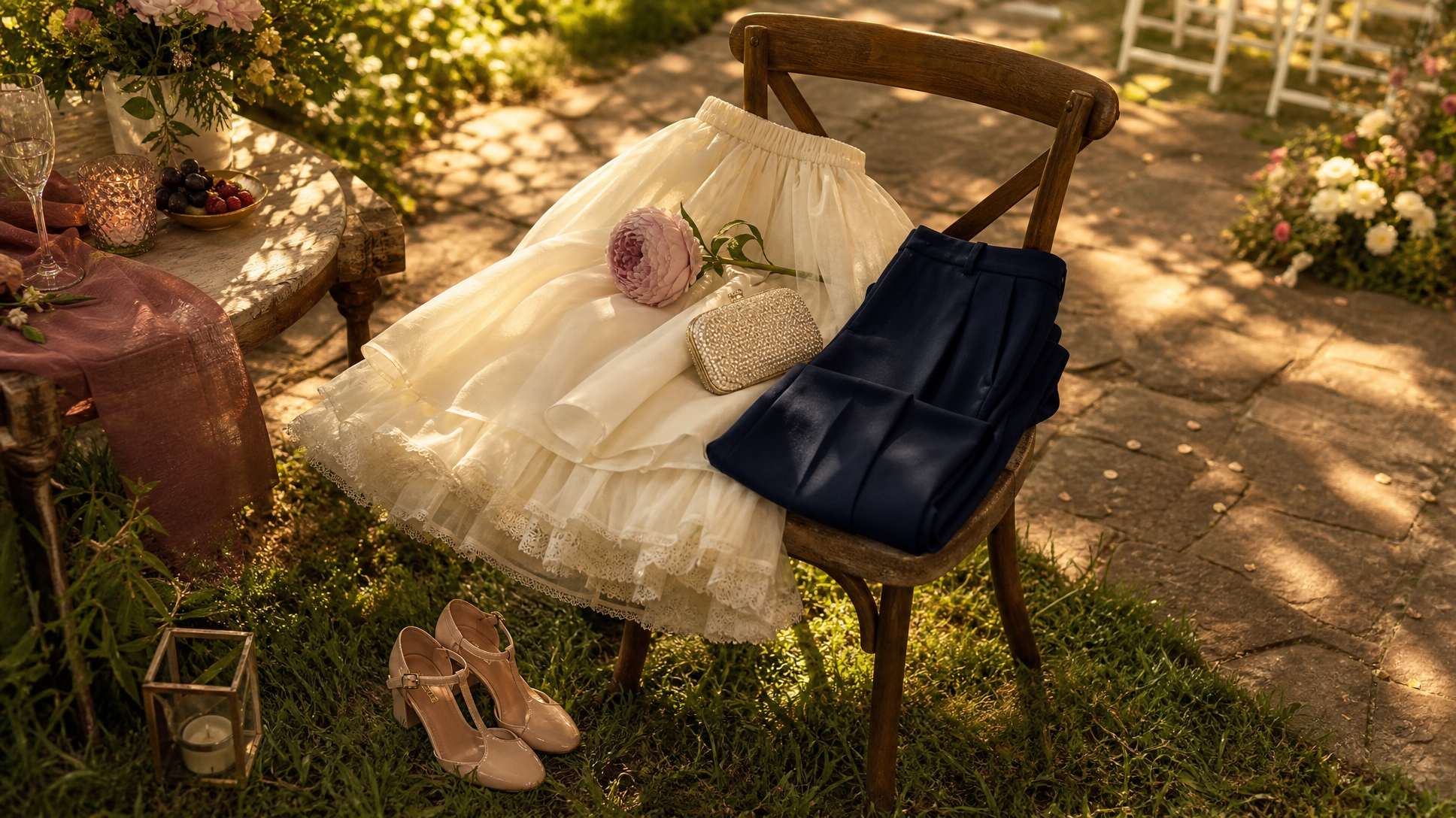
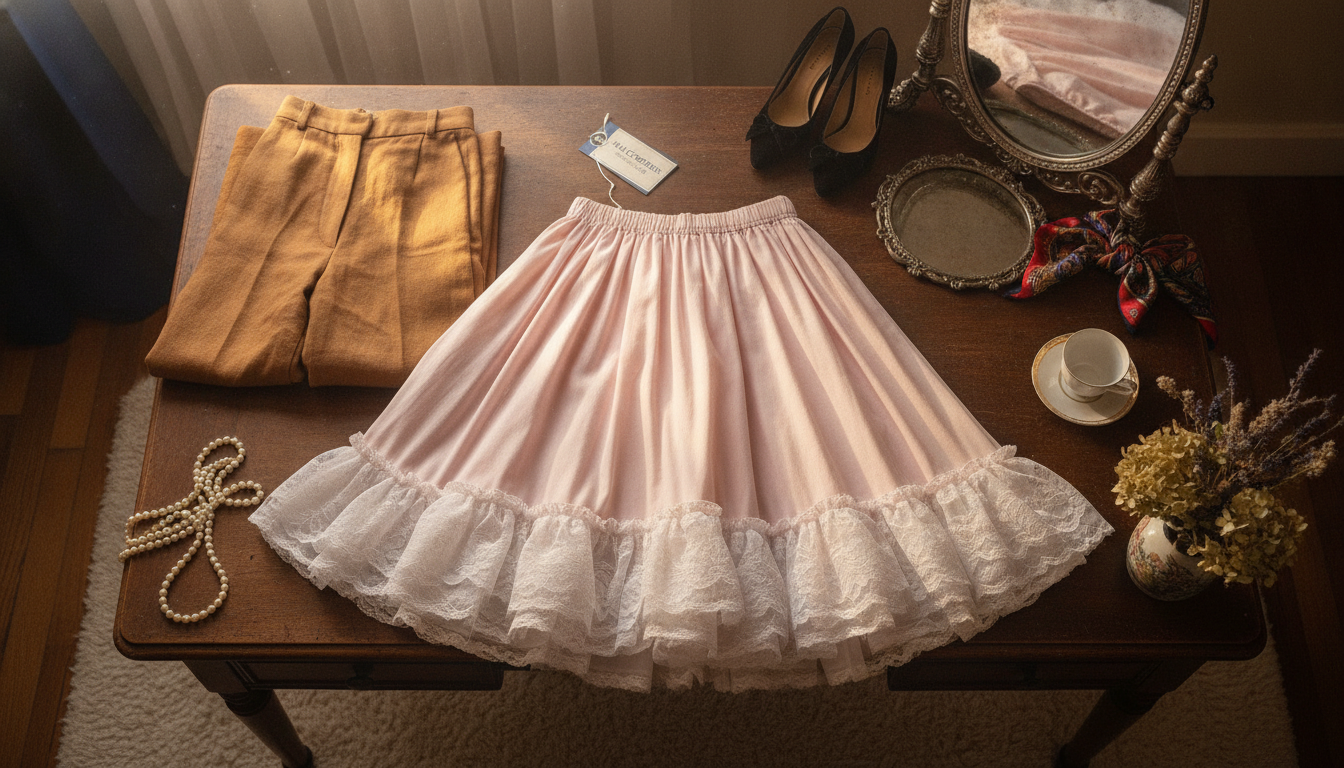
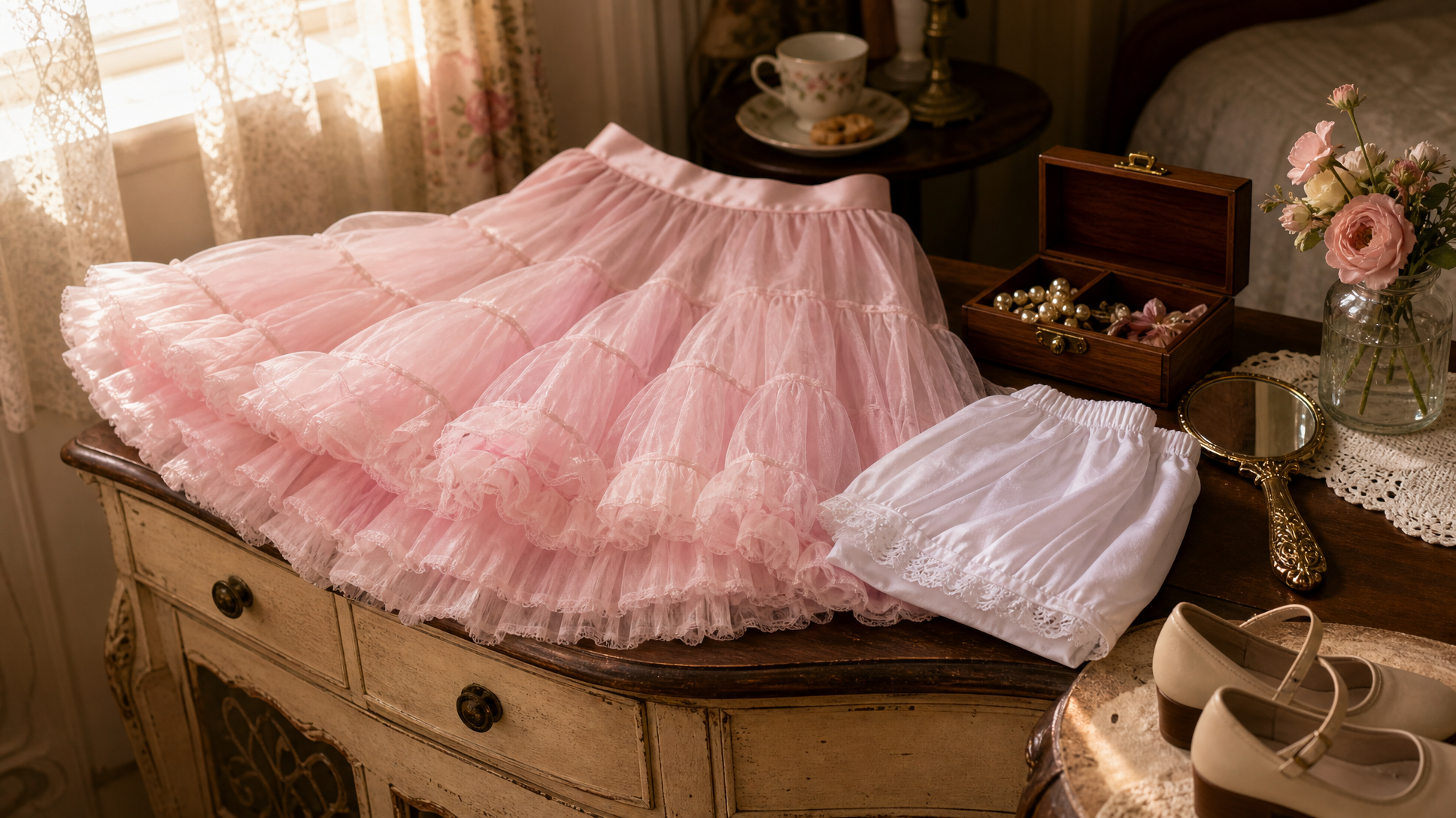
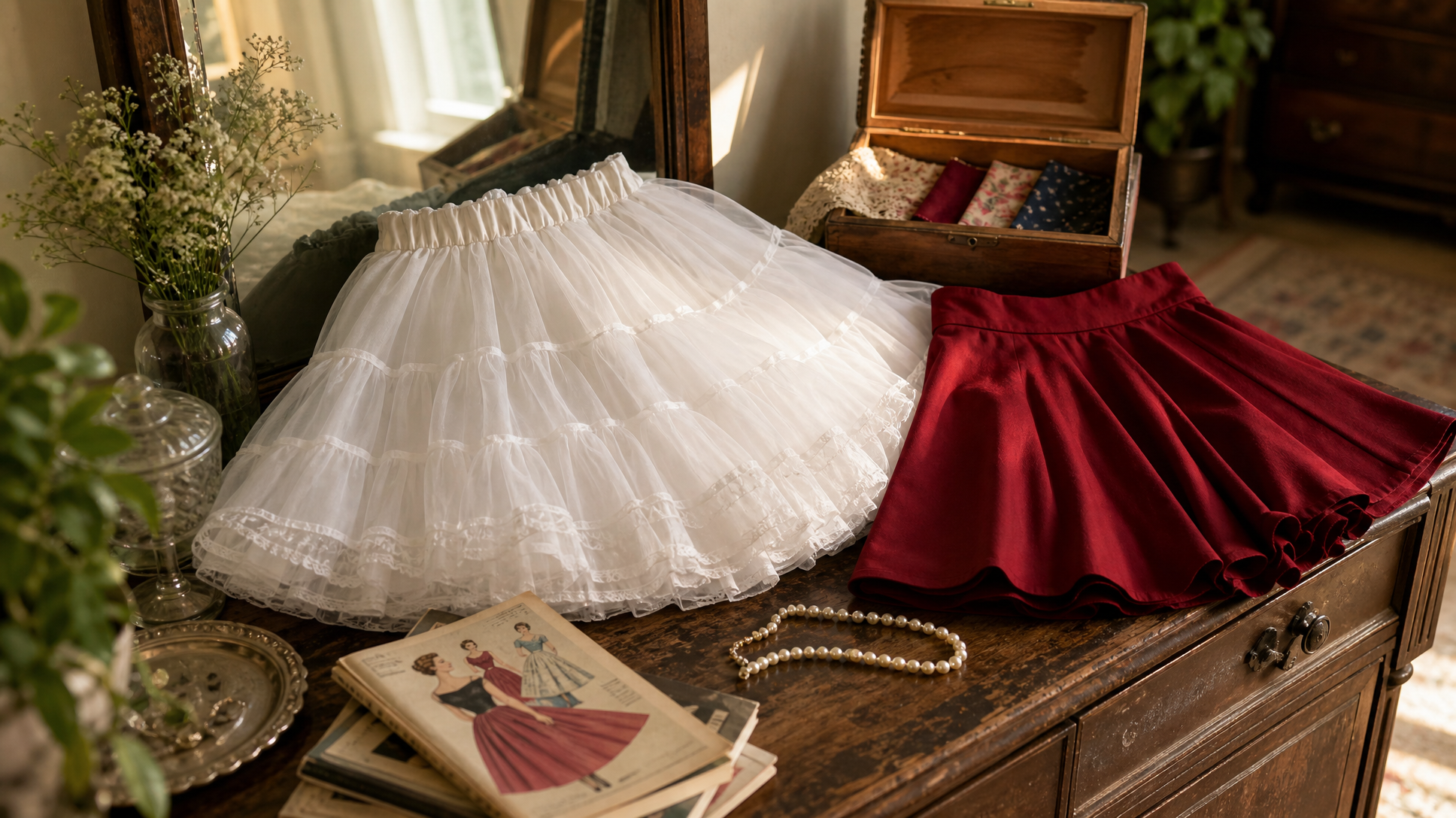
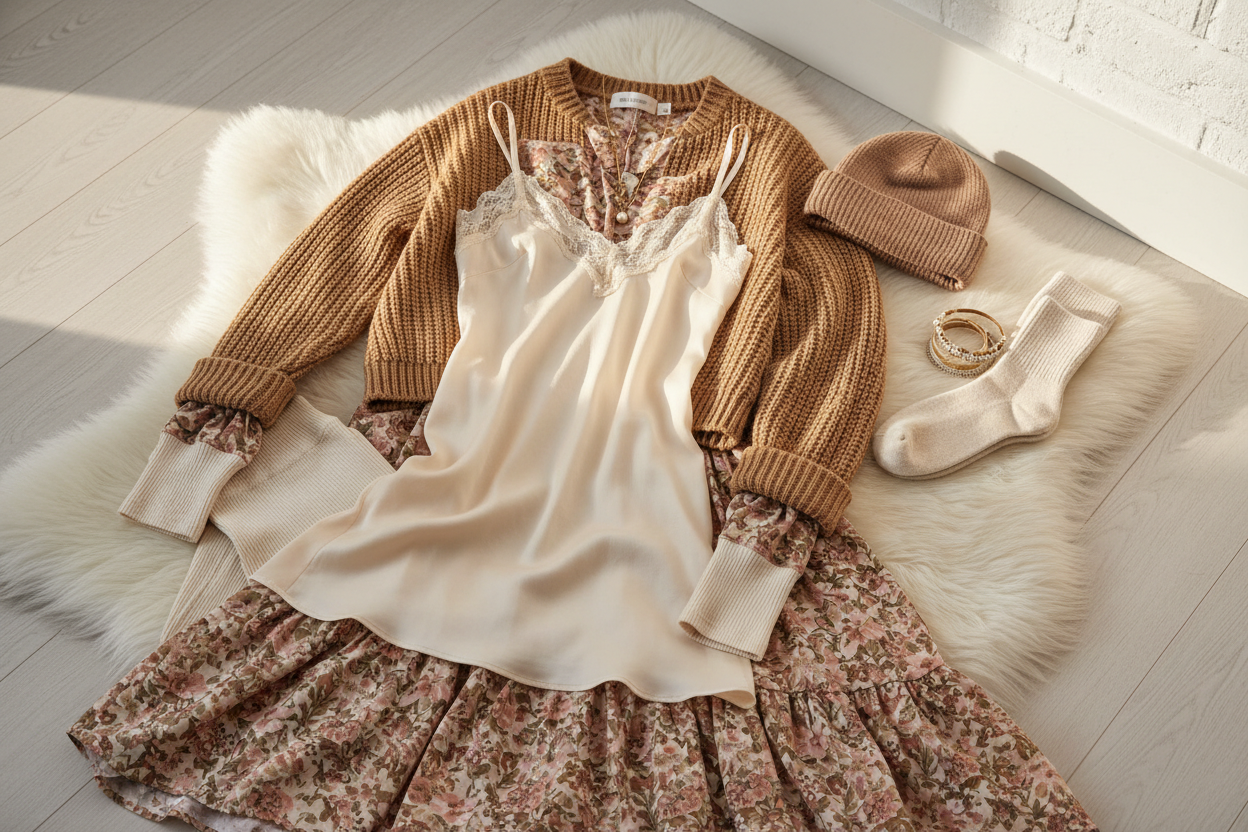
When it comes to styling with skirts, one size definitely does not fit all. Understanding your unique body proportions and shape is the ultimate key to selecting skirt lengths and styles that truly flatter your figure. With the right skirt, you can highlight your best features, balance your silhouette, and feel confident in your look every time you dress.
Key Takeaways
- Measure your body proportions to find your leg break point; balance your top and bottom halves.
- Position horizontal lines (hems, waistbands, sleeves) on your body's narrowest parts for elongation.
- Choose skirt silhouettes and lengths matched to your body shape for best balance and style.
- Separates offer more flexibility than dresses for balancing figures.
- Heel height influences skirt length choices by visually elongating legs.
- Petite women should avoid skirts that break leg lines at wide points to prevent bulk.
Table of Contents
1. Understanding Body Proportions: The Secret to Flattering Skirt Length
Your body’s vertical proportions act like a blueprint for style decisions. The goal is to create visual balance by imagining your body divided into two equal halves vertically:
- The first half runs from the top of your head down to the "leg break" (the point where your legs appear to start, often where your hips end)
- The second half runs from that leg break all the way to the floor.
When these halves look visually balanced, your overall silhouette is harmonious.
Longer Upper Half? Shorten the Top and Skirt
If your upper body (torso) is longer than your legs, wearing shorter tops, jackets, and skirts helps create balance. Shorter necklace lengths can also help add to this effect by keeping the eye from traveling too long down your torso.
Longer Legs? Lengthen the Top and Skirt
Conversely, if your legs are longer than your torso, longer tops and skirts can balance out your frame. Positioning horizontal garment breaks—like waistbands—strategically helps maintain this balance.
Why Horizontal Lines Matter
Horizontal lines created by hems, sleeve ends, waistbands, or necklace lengths attract the eye and can broaden the area where they fall. Placing these lines on narrower parts of the body (such as the waist, high hip, or slimmer parts of the arms) prevents bulkiness and elongates your overall look.
For example:
- Sleeve lengths that end around the slimmer part of your arm—like ¾ length sleeves—are generally more flattering than sleeves that end on the fullest part of your upper arm.
- Skirt hems hitting at the narrower taper points of your legs—right above or below the knee or below the calf muscle—create a slimmer, elongated leg appearance.
Heel Height Affects Skirt Length Too
Heel height can visually lengthen your leg line, which means you can wear slightly longer skirts when pairing them with higher heels. It’s a subtle styling hack that can change how balanced your proportions appear.
Source: Inside Out Style - Body Proportion Guide
2. Choose the Skirt Style That Matches Your Body Shape
Now that we understand the importance of proportion and horizontal lines, let’s look at how different body shapes benefit from specific skirt silhouettes and lengths. Personalizing your choices can elevate your style game and boost confidence.
Inverted Triangle Shape: Balance Your Fuller Top With Volume Below
-
Best styles: Circle skirts, skater skirts
- Ideal lengths:
- Mini skirts highlight your legs well, especially if you are petite.
- Maxi skirts work beautifully if you have a taller frame.
-
Avoid: clingy skirts that emphasize the top-heavy shape.
Circle Shape: Conceal and Define the Midsection
-
Best styles: A-line skirts with subtle pleats or designs that flare gently.
-
Ideal lengths: Midi skirts can work well if your legs don’t visually get cut off at the hem.
-
Avoid: skirts that are tight around the waistline or hips.
Hourglass Shape: Highlight Your Balanced Curves
-
Best styles: Form-fitting skirts that hug the waist and hips.
-
Ideal lengths: Mini and maxi skirts emphasize your curves, while midis can sometimes break your line and look less flattering.
-
Avoid: midi lengths that cut the silhouette awkwardly.
Triangle Shape: Add Top Volume, Slim Bottom
-
Best styles: Subtle circle or A-line skirts that skim without adding bulk.
- Ideal lengths:
- Midi or maxi lengths elongate the legs.
- Mini skirts can work for petite figures but be wary of A-lines as they may tent out excessively.
-
Pair with: tops that add volume or detail near your shoulders.
Rectangle Shape: Play With Volumes to Define Shape
-
Best styles: Circle skirts and skater skirts add feminine volume to your lower half.
-
Ideal lengths: Keep volume minimal if you carry extra weight to avoid looking bulky.
-
Use: waist detailing or belts to define the midsection.
Source: Tami Sofia Designs - Skirt Styles by Body Shape
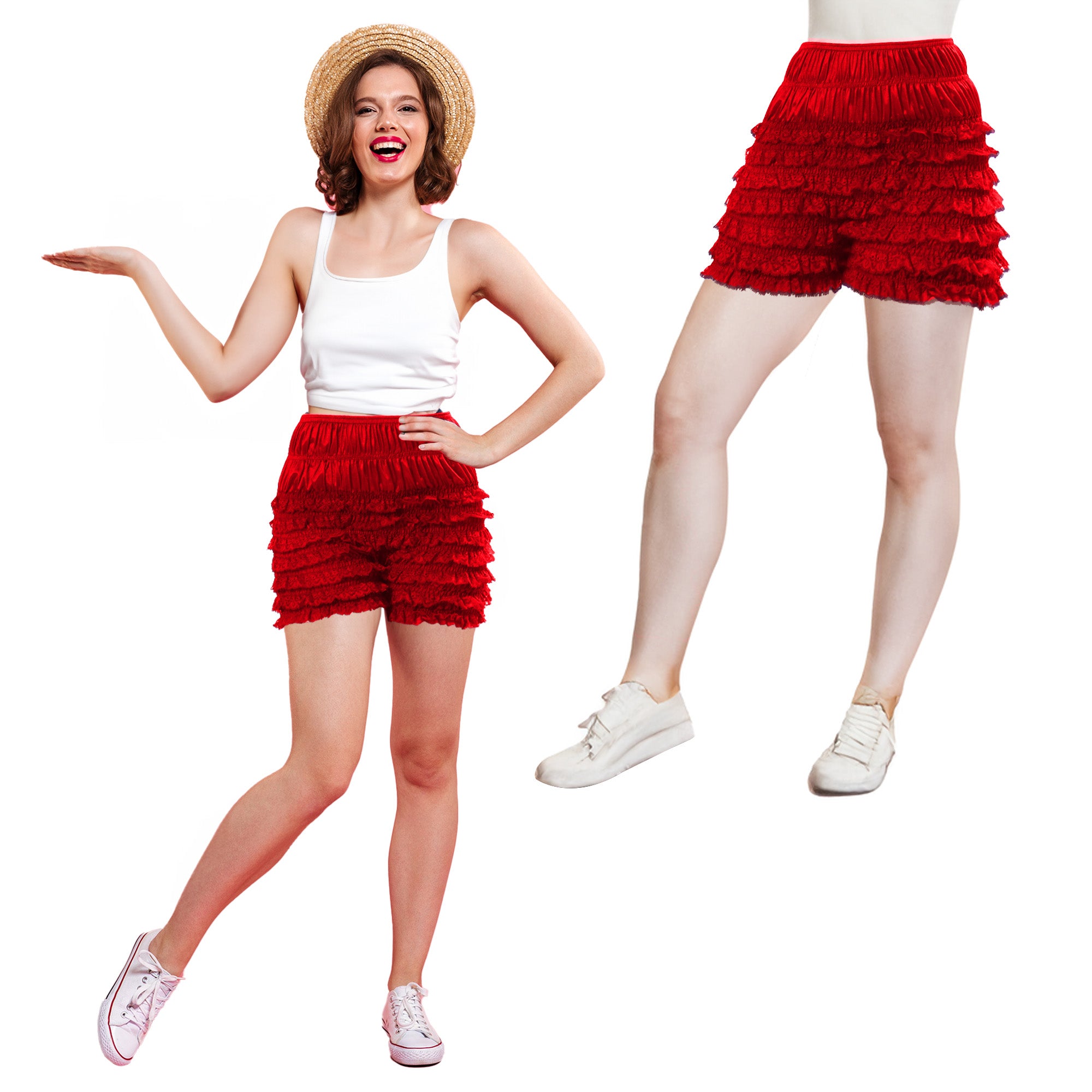
3. Why Separates Make More Sense Than Dresses for Balancing Your Figure
Dresses are often less flexible if you’re trying to balance a disproportionate weight distribution. With separates like tops and skirts, you can mix different fits for the top and bottom, maximizing your ability to get the proportion just right.
For example:
- If you have an inverted triangle body shape, you can wear a fitted top paired with a fuller skirt.
- For a circle shape, you can choose a top that draws attention upward while opting for an A-line skirt to conceal the midsection.
This approach means you’re not stuck with the single silhouette of a dress—you have infinite ways to create balance and showcase your best features.
Source: r/femalefashionadvice - Petite Woman Skirt Discussion
4. Expert Tips: Making the Most of Skirt Length and Details
Hems at Narrower Leg Points
Skirt hems that hit your legs at narrower taper points tend to flatter the silhouette most. These points include:
- Above or below the knee
- Just under the calf muscle
Avoid hems that cut across the fullest parts of your legs, as they can make your legs appear shorter or bulkier.
Sleeve Lengths Matter Too
For overall style balance, ¾ sleeves ending on the slimmer parts of the arms are more flattering than those ending mid-upper-arm, which can highlight fullness.
Heel Height Tweaks
If you love your heels, use them to your advantage:
- Higher heels lengthen your legs visually.
- This allows you to wear slightly longer skirts without losing the elongating effect.
Petite Women’s Skirt Lengths
Petite frames have special considerations. Skirts that break the leg line at wide points like the calf or knee risk looking bulky. Instead:
- Try skirts ending at calf or knee if they visually elongate.
- High-low skirts and voluminous skirts create varied effects depending on body type.
Source: r/femalefashionadvice - Petite Woman Skirt Discussion
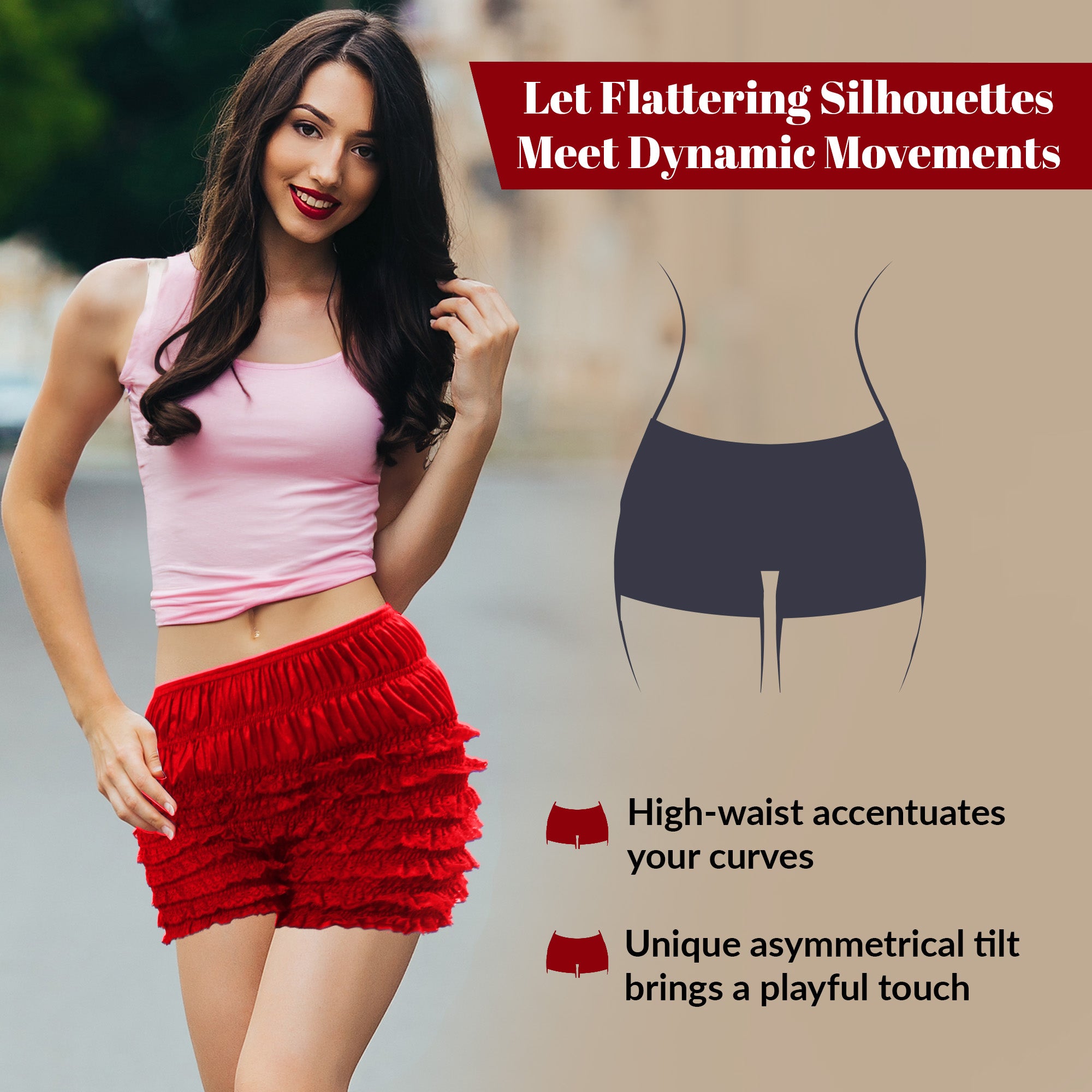
5. Embrace Personal Style Confidence Through Understanding Your Body
The best way to truly own your style is to build a personal understanding of your body and its proportions. This intentionality moves you away from generic fashion rules and toward confident, consistent dressing choices.
Personalized style systems, such as the “7 Steps to Style,” guide you through understanding your body shape, preferences, and values. This empowers your purchasing and styling decisions, making dressing for both comfort and confidence a breeze.
6. Summary: Your Flattering Skirt Styling Cheat Sheet
-
Measure your body proportions to find your leg break point; balance your top and bottom halves.
-
Position horizontal lines (hems, waistbands, sleeves) on your body's narrowest parts.
-
Select skirt silhouettes and lengths that suit your specific body shape:
- Inverted triangle: Full skirts (circle, skater), minis or maxis.
- Circle: Flared A-lines, midi length if legs allow.
- Hourglass: Fitted skirts, minis or maxis.
- Triangle: Subtle flares, midi or maxi lengths.
- Rectangle: Volume in skirts, minimal if carrying weight.
-
Choose separates over dresses for greater silhouette control.
-
Adjust skirt length based on heel height for optimal leg elongation.
-
Petite women should avoid skirts that break leg lines at wide points; favor lengths and styles that elongate without bulk.
By embracing these tips, you can confidently choose skirts that flatter your unique body, highlight your best assets, and support your individual style. No more guessing or frustration—just intentional, eye-catching outfits that feel like you.
At Vizari, we champion confidence and performance in every step you take—on the field and off. Use these style strategies to bring that same focused energy and intentionality to your everyday wardrobe. Game on always.