Discover how petticoats, far beyond mere undergarments, shape fashion history and modern bridal and event wear through smart engineering, premium fabrics, and layered design that perfectly balance volume, comfort, and silhouette elegance.
Key Takeaways
- The true craftsmanship of an 8-layer petticoat involves distinct fabric layers with specific roles, not just quantity of fabric.
- Layered volumetric gradients create natural flare and silhouette without bulk near the waist.
- Historical petticoats combined aesthetics with practical needs such as warmth and support, influencing modern designs.
- Quality fabric and construction ensure comfort, durability, and style integrity.
- Understanding traditional tailoring enriches modern fashion, bridal wear, costume design, and historical reenactment accuracy.
Table of Contents
- What is an 8-Layer Petticoat? Understanding the Engineering of Volume and Comfort
- How Fabric Choice and Construction Make or Break Your Petticoat
- Volume Shaping with Petticoats: The Volumetric Gradient Principle
- Historical Fashion and Petticoats: Layering for Silhouette and Warmth
- Practical Tips for Wearing and Maintaining Petticoats
- Applying Historical Tailoring Techniques Today: Patterns, Gores, and Shape Control
- Implications for Modern Bridal Wear, Costume Design, and Everyday Fashion
- Conclusion: The Hidden Art of Petticoats
- FAQ
1. What is an 8-Layer Petticoat? Understanding the Engineering of Volume and Comfort
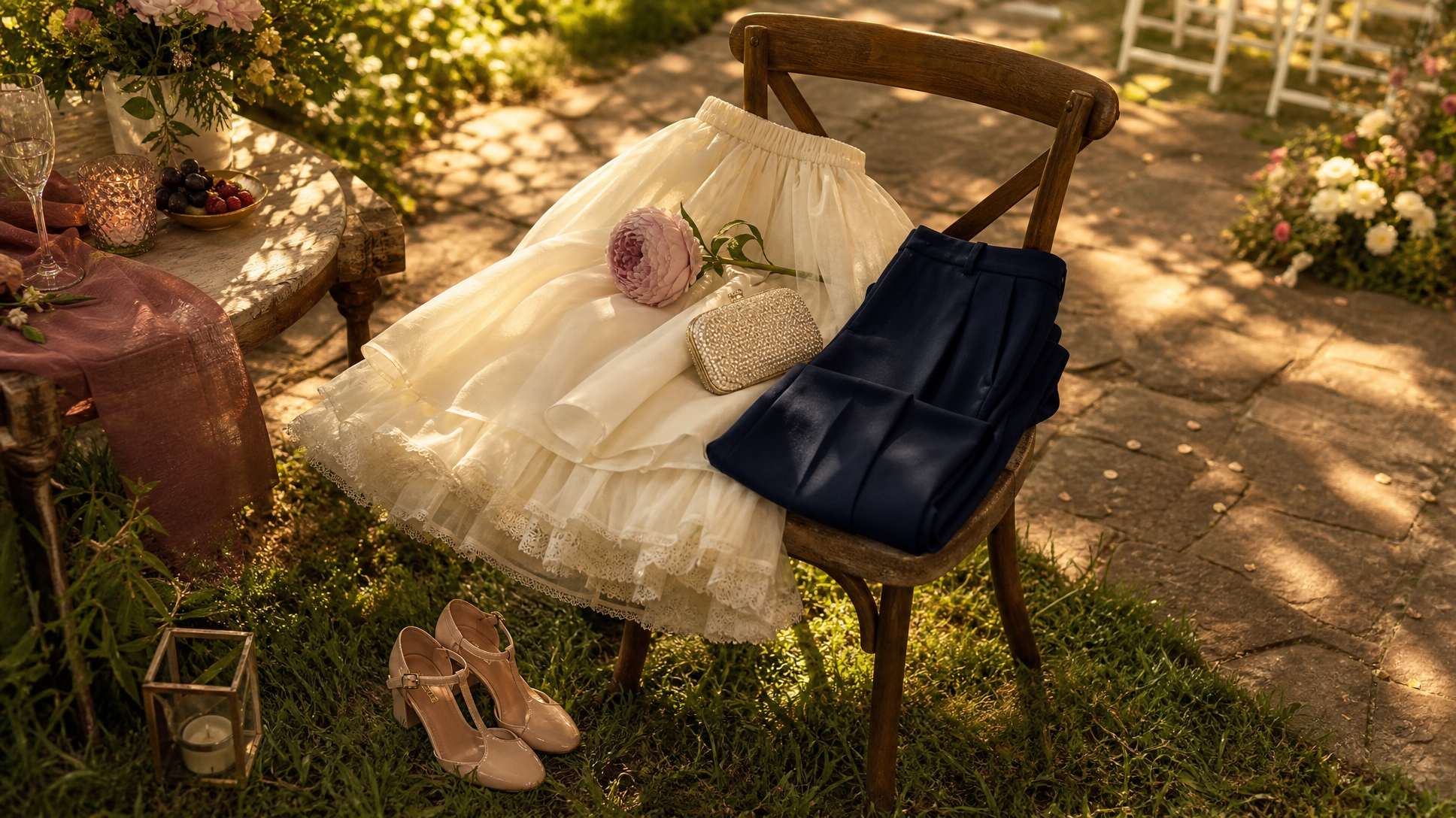
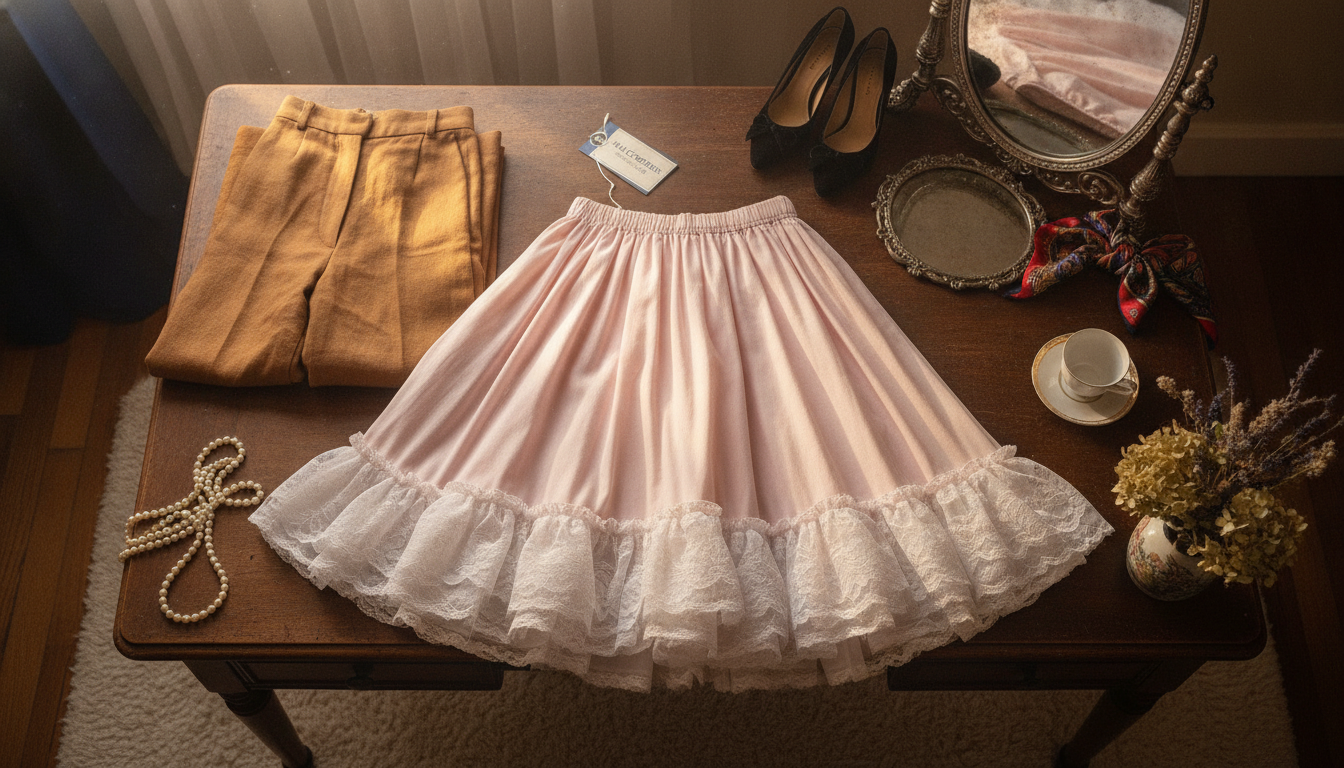
Petticoats, especially in Indian bridal wear and formal western gowns, are more than just multi-layered fabric—they are engineered garments where each of the eight layers fulfills a specific purpose to deliver volume, flow, and comfort.
The Science and Craftsmanship Behind 8 Layers
-
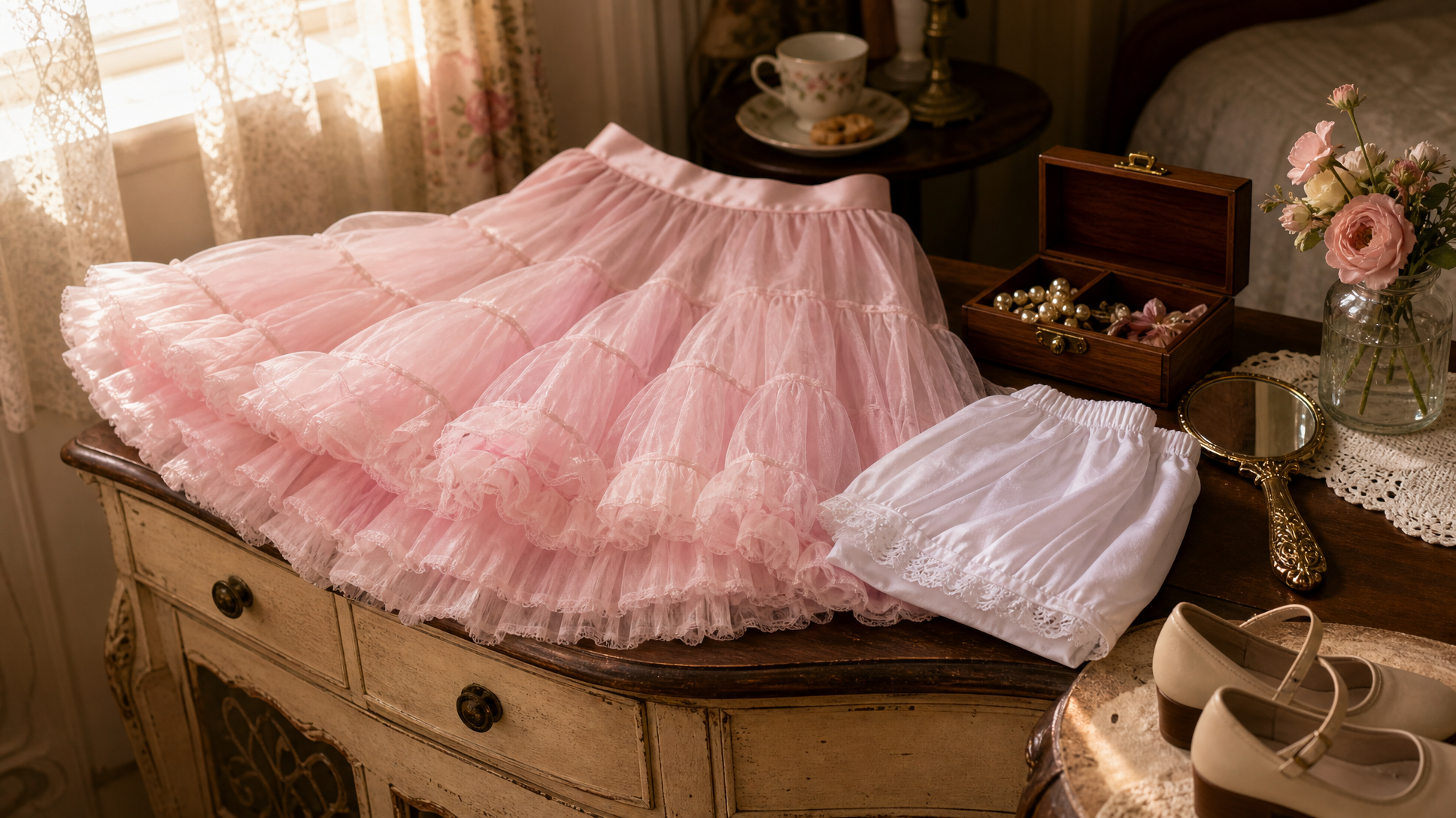
Layer Length Gradient: Each layer is cut longer towards the bottom to create a flare that does not bulk near the waist.
-
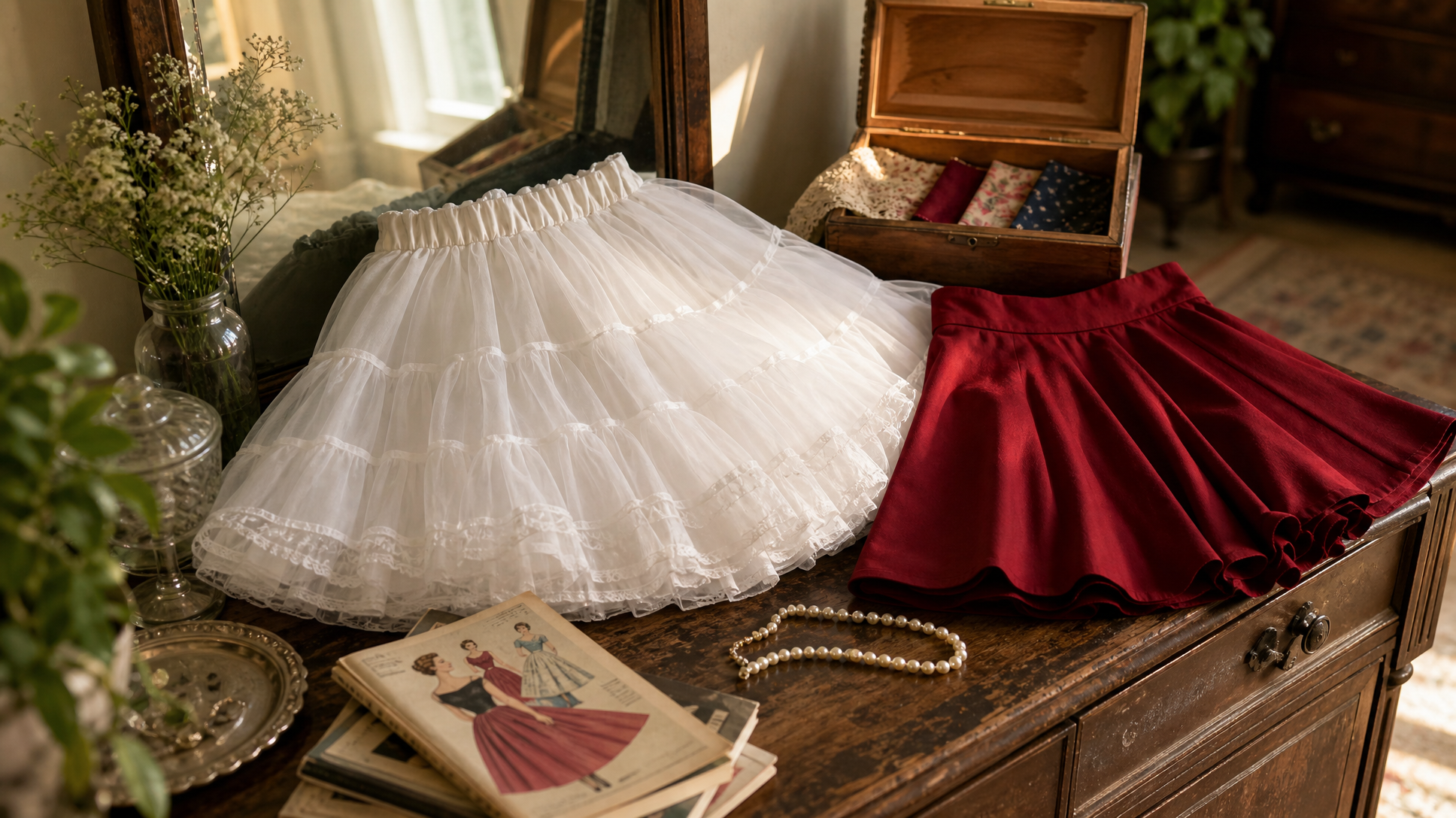
Fabric Hybrids: Inner layers use breathable cotton; middle layers crafted from crisp organdy or cotton blends ensure structure; outer layers use soft, anti-static material to keep skirts smooth and unclinging.
-
Robust Waistbands and Seams: Triple-channel cotton-twill waistbands with silicone grips prevent slipping, while double-stitched seams boost durability.
Why Layer Count Alone Doesn’t Tell the Whole Story
Many mass-market petticoats that claim “8 layers” achieve volume by thickening the fabric or fusing layers, leading to sagging and discomfort. True multi-layer petticoats are carefully engineered with individually calibrated layers for better silhouette and wearability.
Learn more from this Detailed Study on 8-Layer Petticoats Performance.
2. How Fabric Choice and Construction Make or Break Your Petticoat
Selecting the right fabrics and construction techniques is crucial. A good petticoat balances breathability, structure, and smooth draping to remain comfortable while maintaining shape.
Fabrics for Petticoats: What Works Best
-
Inner Layers: Soft cotton or breathable blends absorb moisture and keep you cool.
-
Middle Layers: Stiffer fabrics like starched organdy or muslin hold skirt flare.
-
Outer Layers: Anti-static nylon or polyester prevent clinging and allow fluid movement.
Construction Details Matter
- Triple-channel cotton-twill waistband with silicone grip for secure, comfortable fit.
- Double-stitched seams for enhanced garment strength.
- Reinforced smooth zippers to keep the petticoat secure without snagging.
- Machine stitching ensures durability; hand stitching is reserved for embellishments only.
3. Volume Shaping with Petticoats: The Volumetric Gradient Principle
A key design concept is the volumetric gradient — layers gradually increase in length from waist to hem, ensuring a smooth build-up of volume without bulk near the top.
What is a Volumetric Gradient?
Alternating layers increase progressively in length downwards, creating natural flare and ease of movement.
How Does This Affect Different Styles?
-
Lehengas: Wider flare at bottom with snug waist, layered accordingly.
-
Ball Gowns: Longer layers with graduated curves support large silhouettes.
-
Daily Wear Skirts: Lighter layering with subtler volume for ease of wear.
4. Historical Fashion and Petticoats: Layering for Silhouette and Warmth
19th-century gowns and their petticoats were carefully layered for silhouette shaping, warmth, and supporting hoops or bustles.
The Role of Petticoats in 19th-Century Gowns
- Multiple petticoats (sometimes 6+) shaped fashionable volume and hid structural frameworks.
- Hoop skirts needed layers underneath to soften the look and add comfort.
- Fabric layering provided warmth in colder times.
Variation in Petticoat Design by Era
- Gore counts and frill placement evolved with fashion—5 to 7 gores were typical in the 1890s for skirt contour.
- Bum padding and layering targeted silhouette ideals of the period.
Misleading Portrayals in Modern Media
Films often downplay the complex layering necessary for authenticity. Classic films such as Gone with the Wind (1938) and Bugambilia (1945) provide accurate visual records of historical petticoats versus overly simplified modern representations.
Explore more in Historical Petticoats in Cinema.
5. Practical Tips for Wearing and Maintaining Petticoats
Proper care and timely replacement keep your petticoat functioning beautifully.
Signs You May Need to Replace Your Petticoat
- Stretched or fatigued waistband
- Compression or bunching of tiers
- Increased static noise indicating fabric breakdown
- Sagging layers losing shape and volume
Maintenance for Longevity
- Hand wash delicate outer layers; gentle machine wash for cotton inner layers
- Air dry thoroughly to prevent mildew or shape distortion
- For summer, opt for lighter, fewer layers to stay cool without sacrificing shape
- Store flat or hung to preserve layered gradient form
6. Applying Historical Tailoring Techniques Today: Patterns, Gores, and Shape Control
Historical tailoring offers valuable lessons for modern petticoat crafting.
- Gore counts (5–7) directly influence skirt fullness and flare.
- Seam narrowing and special allowances provide smooth tier shaping.
- Padding and structural panels customize fit and silhouette.
These insights improve petticoat performance for theatrical costumes, bridal wear, and everyday fashion.
7. Implications for Modern Bridal Wear, Costume Design, and Everyday Fashion
High-quality layered petticoats bring unmatched benefits across various fashion domains.
-
Brides and Event Wearers: Comfortable wear all day with stable, photogenic silhouettes.
-
Historical Reenactors and Costume Designers: Authenticity through genuine layering and fabrics.
-
Fashion Educators and Enthusiasts: Appreciation of craft and inspiration for sustainable designs.
-
Media and Film Costume Departments: Accurate story-telling bolstered by historically valid underlayers.
-
Consumers Interested in Silhouette Shaping: Combining volumetric principles and fabric choices for functional fashion.
Conclusion: The Hidden Art of Petticoats
Petticoats marry timeless artistry, fabric science, and structural engineering. From exquisitely layered Indian bridal petticoats of Jaipur to the multi-petticoat hoop skirts of Victorian America, every layer blends function and form for style and comfort. Investing in well-designed petticoats elevates your look, comfort, and confidence — because true fashion starts from the inside out.
Explore further authentic information on petticoats here:
- The Timeless Elegance of Petticoats: A Comprehensive Guide
- What Is a Petticoat? Uses, Types, and Materials Explained
- Types of Petticoats: Choosing the Perfect Layer for Your Dress
FAQ
Q1: How do I know if a petticoat is truly 8-layered?
True 8-layer petticoats have individually distinct layers with different fabric types and lengths, engineered for volume and comfort. Avoid products that simply double fabric thickness or fuse layers.
Q2: Can I wash my petticoat in a machine?
Delicate outer layers are best hand-washed; inner cotton layers can be gently machine washed. Always air dry to maintain shape and fabric integrity.
Q3: Why does fabric choice matter in petticoats?
Fabric affects breathability, volume, anti-static properties, and comfort. The right hybrid fabrics combine these elements for ideal shape and ease of wear.
Q4: Can historical tailoring principles be applied today?
Absolutely. Historical tailoring offers insights into gore counts, seam shaping, and layering that can improve modern petticoat design for silhouette and comfort.
Investing in a well-designed petticoat is investing in comfort, confidence, and the art of fashion starting from within.