Cart
0
You may also like
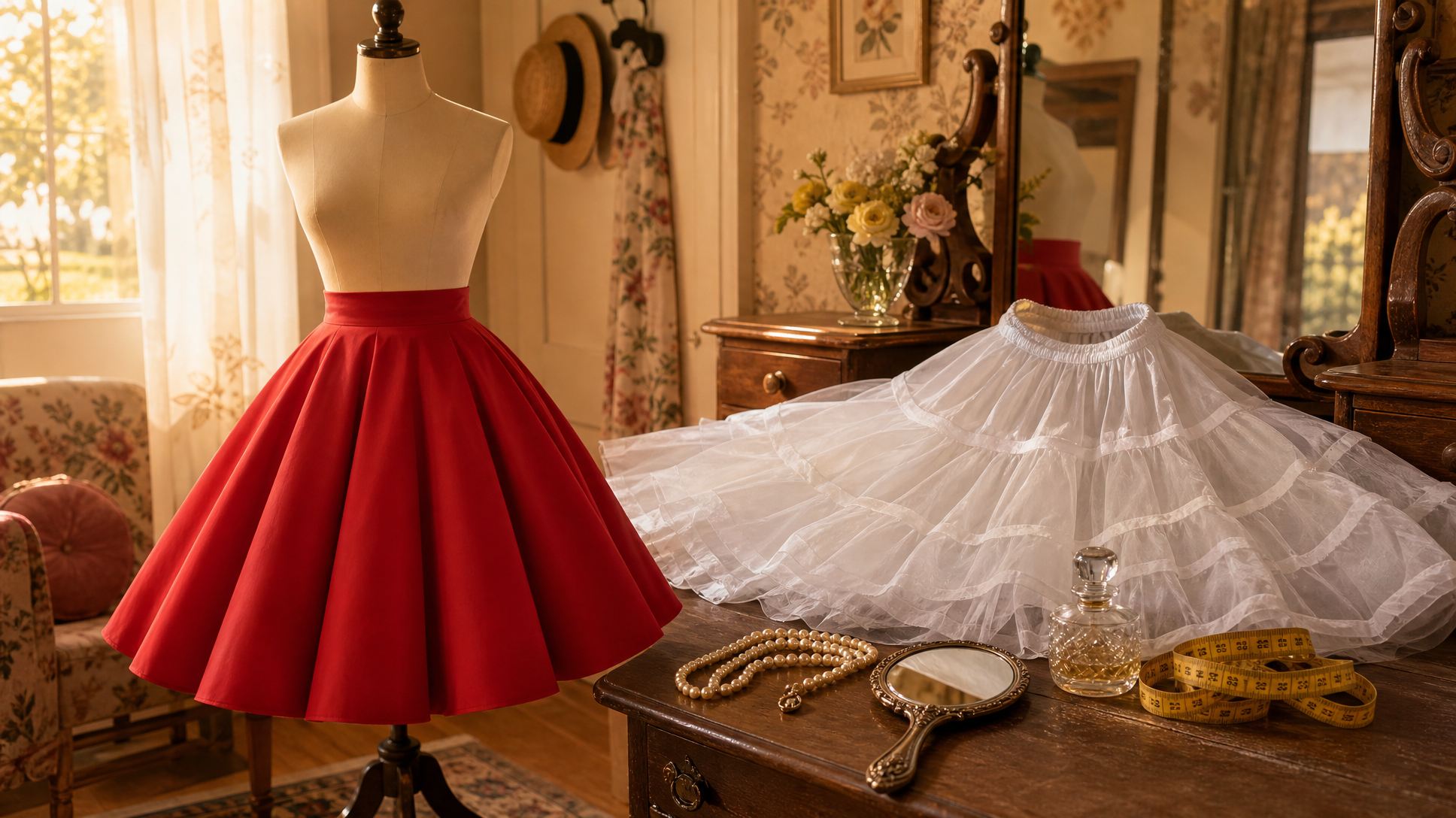
You buy a gorgeous 1950s-style swing dress, put it on, and it just... hangs. No poof. No twirl. Just fabric sitting against your legs like it gave up. The color is right, the fit is right, but something is wrong — and most people assume the dress is the problem.
It almost never is. The problem is that the dress was designed to be worn over something.
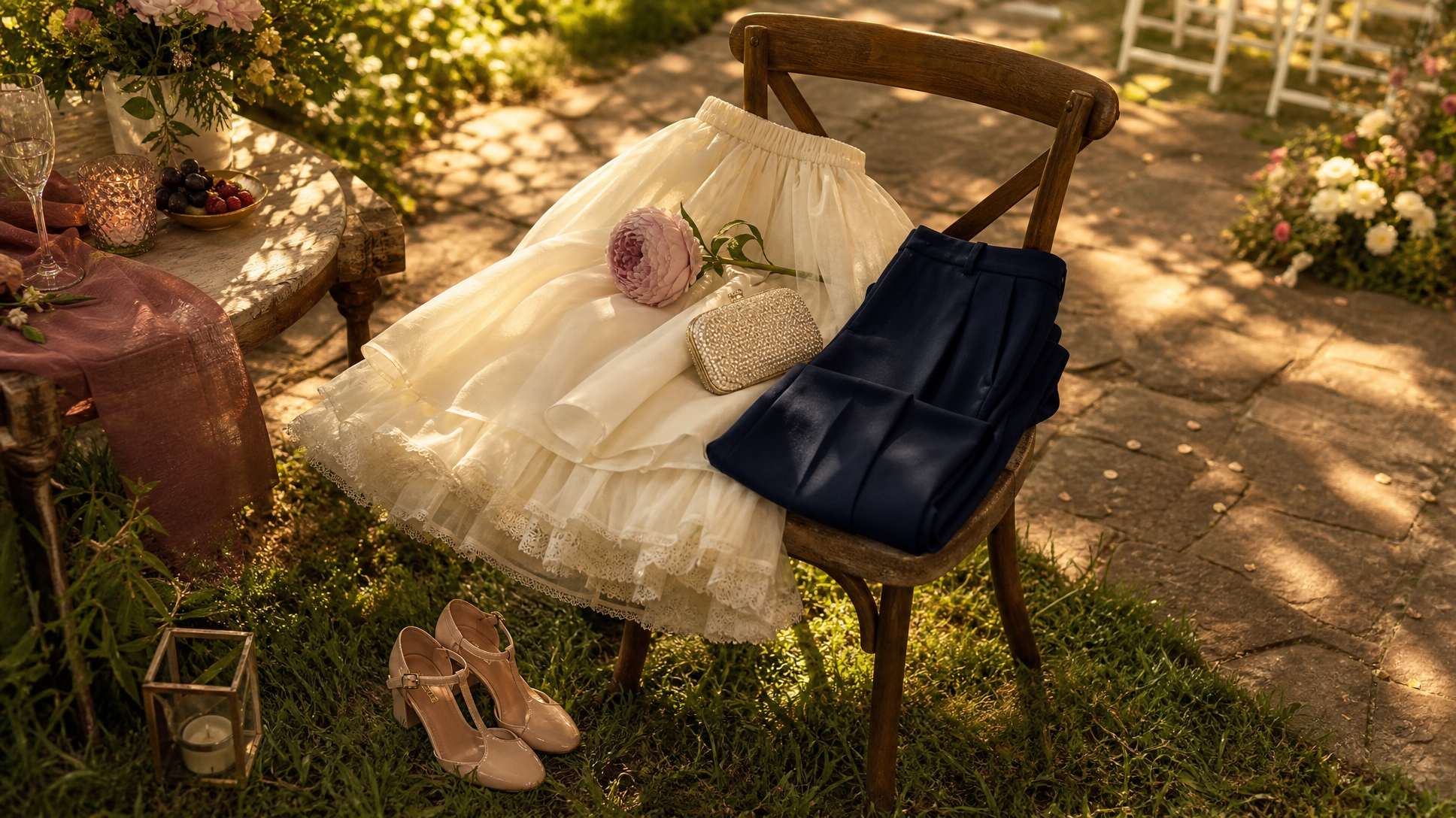
Full-skirted silhouettes — circle skirts, A-line dresses, rockabilly styles, ballgowns, square-dance skirts — are constructed with the assumption that a layer underneath will do the structural heavy lifting. The outer fabric sets the shape of the hem and the drape of the skirt, but it doesn't create volume on its own. That's not what it's made for. Volume comes from below.
Think of a full skirt as a tent. The outer fabric is the canvas — it determines color, texture, and how the silhouette looks from the outside. But a tent without poles collapses. The undergarment is the pole structure.
In practical terms, volume in a skirt comes from one of three things:
These three factors work together. A petticoat with a generous hem circumference, made from stiff netting, with several tiered layers is doing a significant amount of structural work — far more than any amount of outer-fabric engineering could achieve on its own.
Dress designers working in full-skirted styles make deliberate choices about the outer fabric — typically something with enough body to drape cleanly but not so stiff that it looks sculptural or costume-like on its own. Cotton sateen, ponte, taffeta, and lightweight wovens are common choices. They photograph beautifully and feel great to wear.
But none of them hold a wide silhouette without help. Even taffeta — which has more body than most — will eventually collapse against the legs when worn without a layer underneath. The outer fabric is meant to float over structure, not create it.
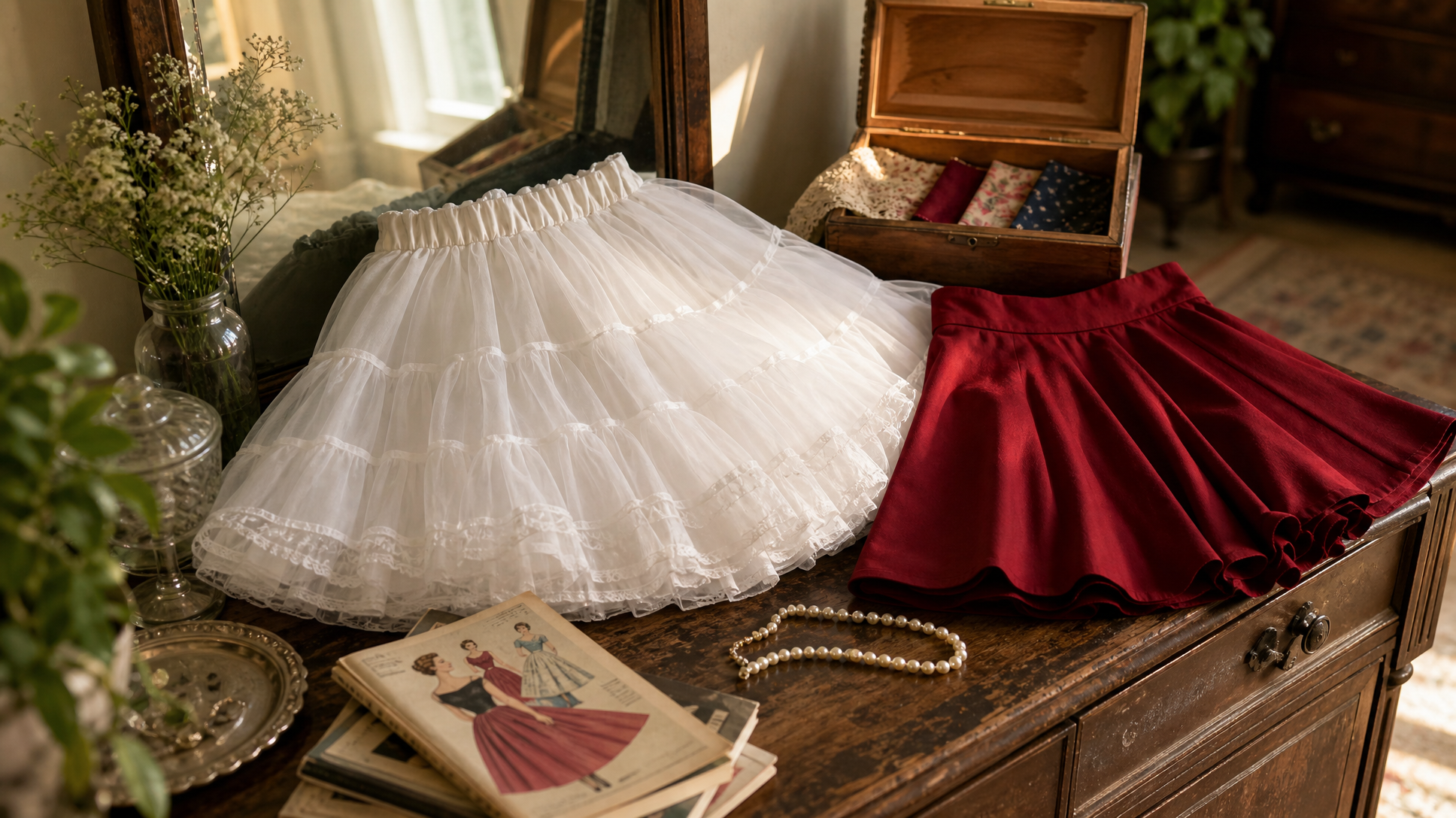
This is why vintage dresses from the 1950s were almost always sold with the expectation of a petticoat or crinoline underneath. The silhouette you see in photographs from that era wasn't achieved by clever cutting alone. It was achieved by layering.
Not every full-skirted dress needs the same undergarment. Here's how to assess yours.
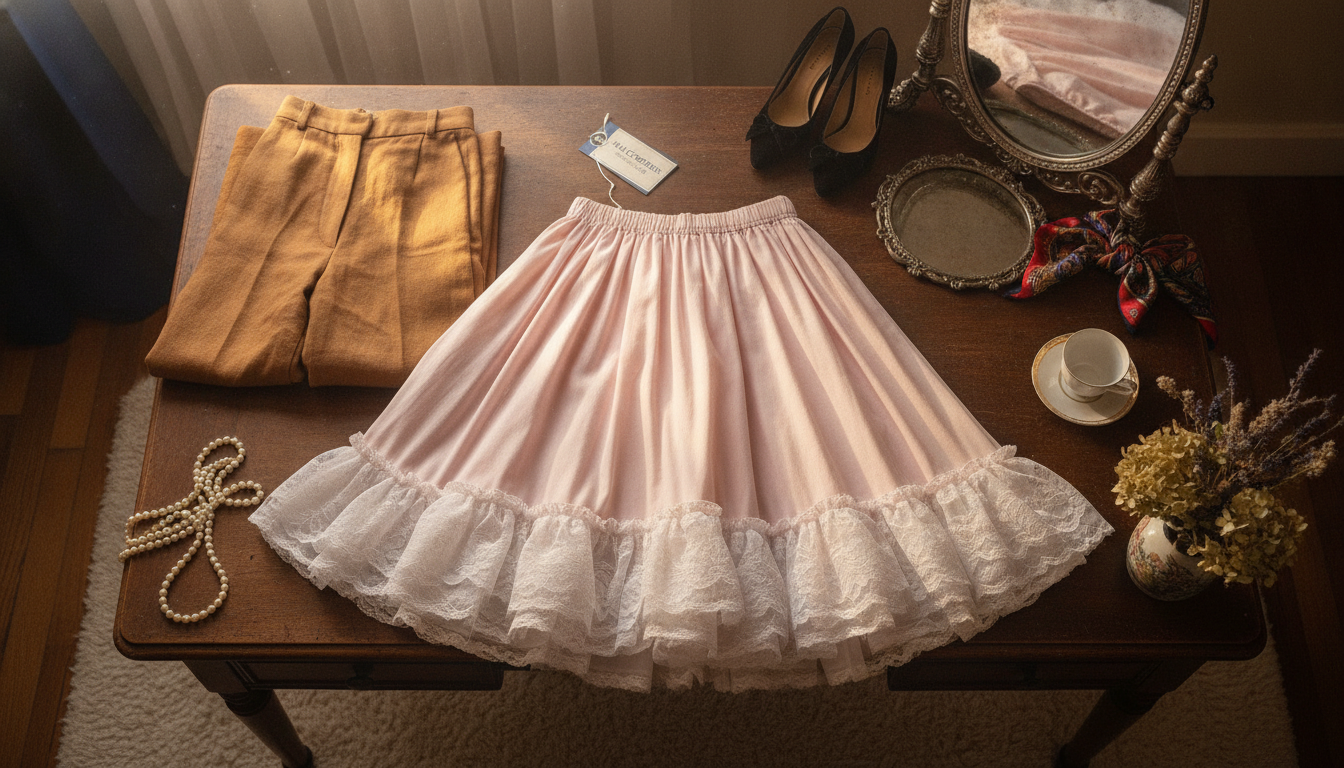
The undergarment needs to be slightly shorter than the dress's hem — typically an inch or two — so it doesn't show. A knee-length dress needs a knee-length petticoat. A midi dress needs a midi-length layer. If you put a short petticoat under a longer dress, the skirt will be full at the mid-thigh and flat below it, which looks worse than no petticoat at all.
Circle skirts and full A-line skirts respond dramatically to petticoats because they already have a wide hem circumference — the undergarment just fills in the space that's already there. Pencil skirts and fitted silhouettes are not designed for volume underneath. If you add a petticoat to a fitted skirt, it'll distort the shape rather than enhance it. Know what cut you're working with before you shop for an undergarment.
Heavier outer fabrics (thick cotton, denim, structured ponte) will compress a lightweight petticoat. If your dress fabric has real weight to it, you need a petticoat with enough loft and stiffness to push back against that weight — multiple layers, stiffer netting. Lighter outer fabrics (chiffon, lightweight cotton, rayon) are more cooperative; even a single-layer crinoline can make a visible difference.
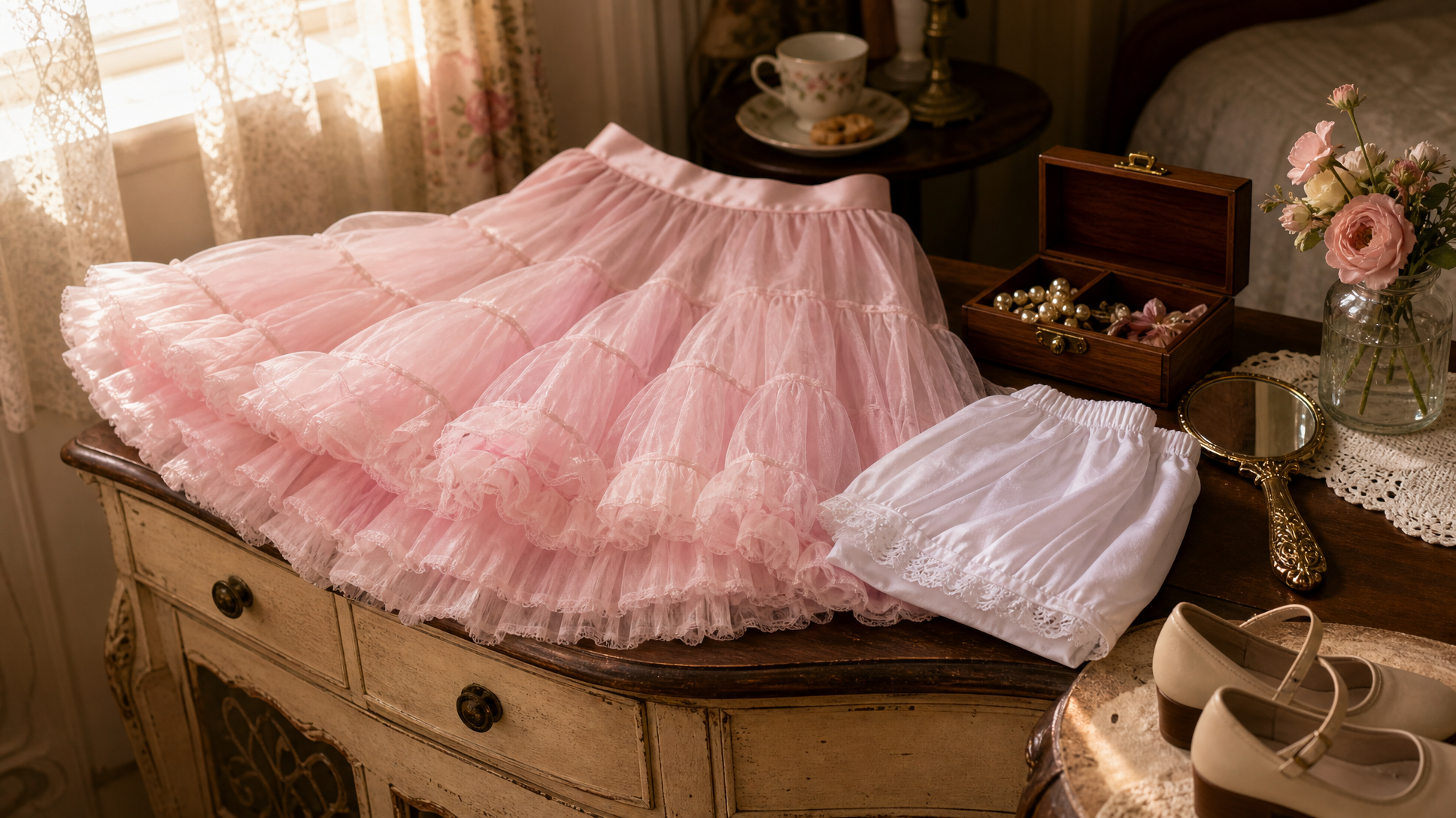
A very full, stiff petticoat is perfect for dancing, performances, or events where dramatic silhouette is the point. For everyday wear or seated events, a softer, less voluminous underlayer gives shape without making it hard to sit in a car or booth. Pettipants — a hybrid between a petticoat and loose shorts — are worth considering for active wear or warmer climates, since they add coverage and some volume without the full skirt structure.
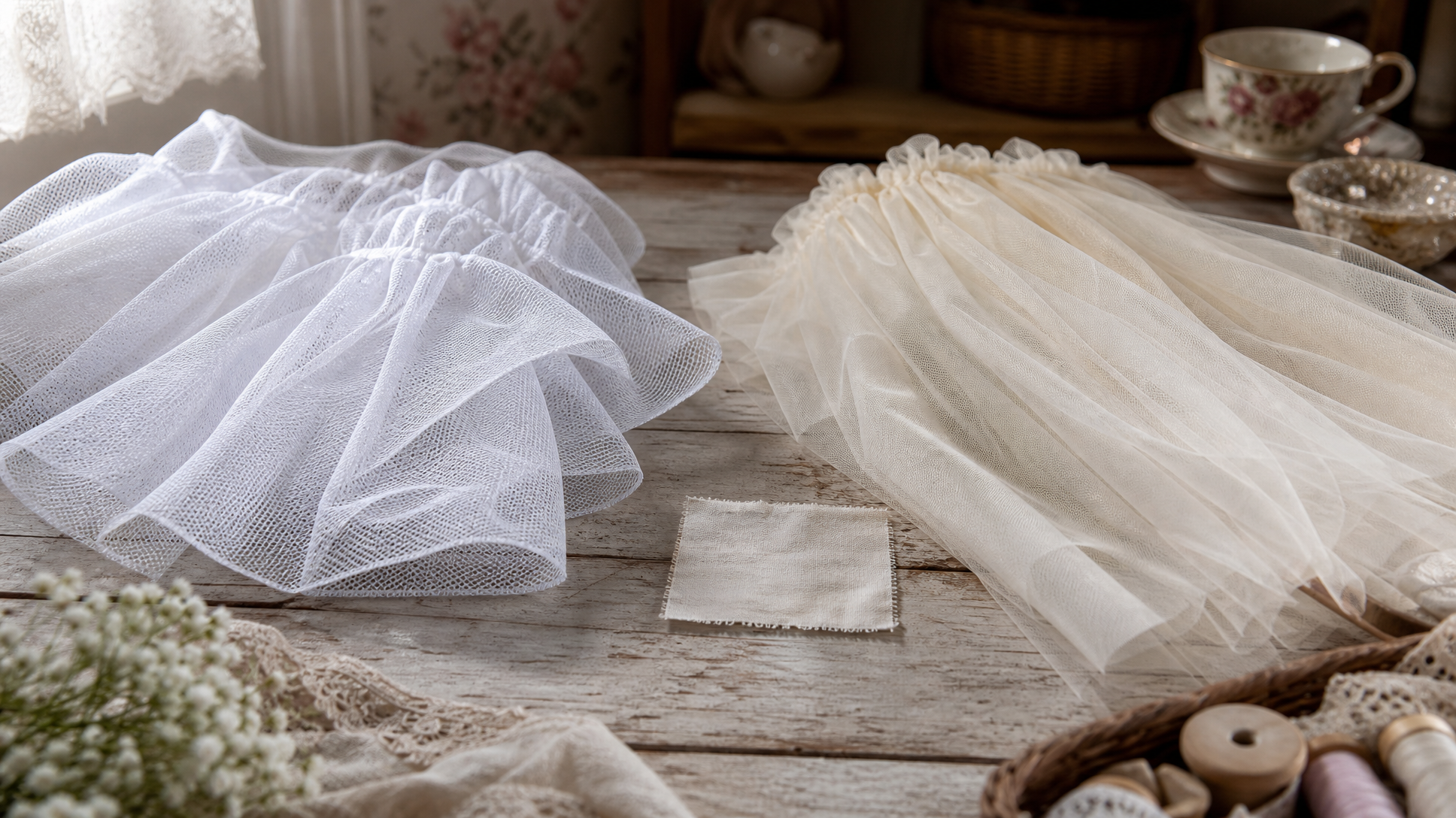
Not all netting is equal. Here's a quick breakdown of what you'll encounter:
When you're shopping for a petticoat, the fabric description matters more than the layer count alone. Five layers of soft chiffon will give you less volume than two layers of stiff netting.
A petticoat that fits poorly at the waist will shift, bunch, and eventually work its way down over the course of a day. The outer skirt then sits unevenly, and the whole silhouette goes lopsided. It's not dramatic — it's just subtly off, and it's distracting.
Measure your natural waist (or wherever the petticoat will sit) before buying, and size accordingly. An adjustable waistband with elastic or a drawstring gives you more flexibility across different dresses. A petticoat that stays put is doing its job invisibly — which is exactly what good structure is supposed to do.
A full-skirted dress without a proper undergarment is like a soufflé that never rose — technically fine, but not what it was meant to be. The outer fabric sets the tone; the layer underneath sets the shape. Once you understand that, you stop blaming the dress and start thinking about what it actually needs.
Once you know what your dress needs underneath, Malcomodes' petticoat lineup is a practical place to start — shop by skirt length and waist size to find the right volume and fit for your specific silhouette.
Look at the skirt's cut. Circle skirts, full A-line skirts, and swing-style skirts are almost always designed with an undergarment in mind — the hem circumference is wide enough that the skirt needs something beneath it to hold that shape outward. If the skirt has a lot of fabric at the hem but falls flat against your legs, that's a strong sign it was meant to be layered.
Petticoats work best under full-cut skirts — circle skirts, A-line silhouettes, and gathered styles. They don't work under pencil skirts, bodycon dresses, or anything fitted through the hip and thigh, because the added volume will distort the intended shape rather than enhance it. When in doubt, look at how much extra room the skirt has at the hem compared to the hip.
A petticoat is a structured skirt worn underneath your dress to add volume and hold the silhouette out. Pettipants are a hybrid — they look like loose, wide-leg shorts and provide coverage and a small amount of volume without the full skirt structure. Pettipants are a better choice if you're active, dancing, or in a warm climate and want coverage and comfort more than dramatic fullness. If you want maximum volume and a true vintage silhouette, a petticoat is the right tool.
Yes, and it's one of the most common fit mistakes. Your petticoat should sit about an inch or two shorter than the hem of your dress — enough that it's completely hidden but still supporting the full length of the skirt. If your petticoat is longer than your dress, the netting will peek out at the hem. If it's significantly shorter, the bottom portion of your skirt will hang flat even while the upper portion looks full.