Cart
0
You may also like
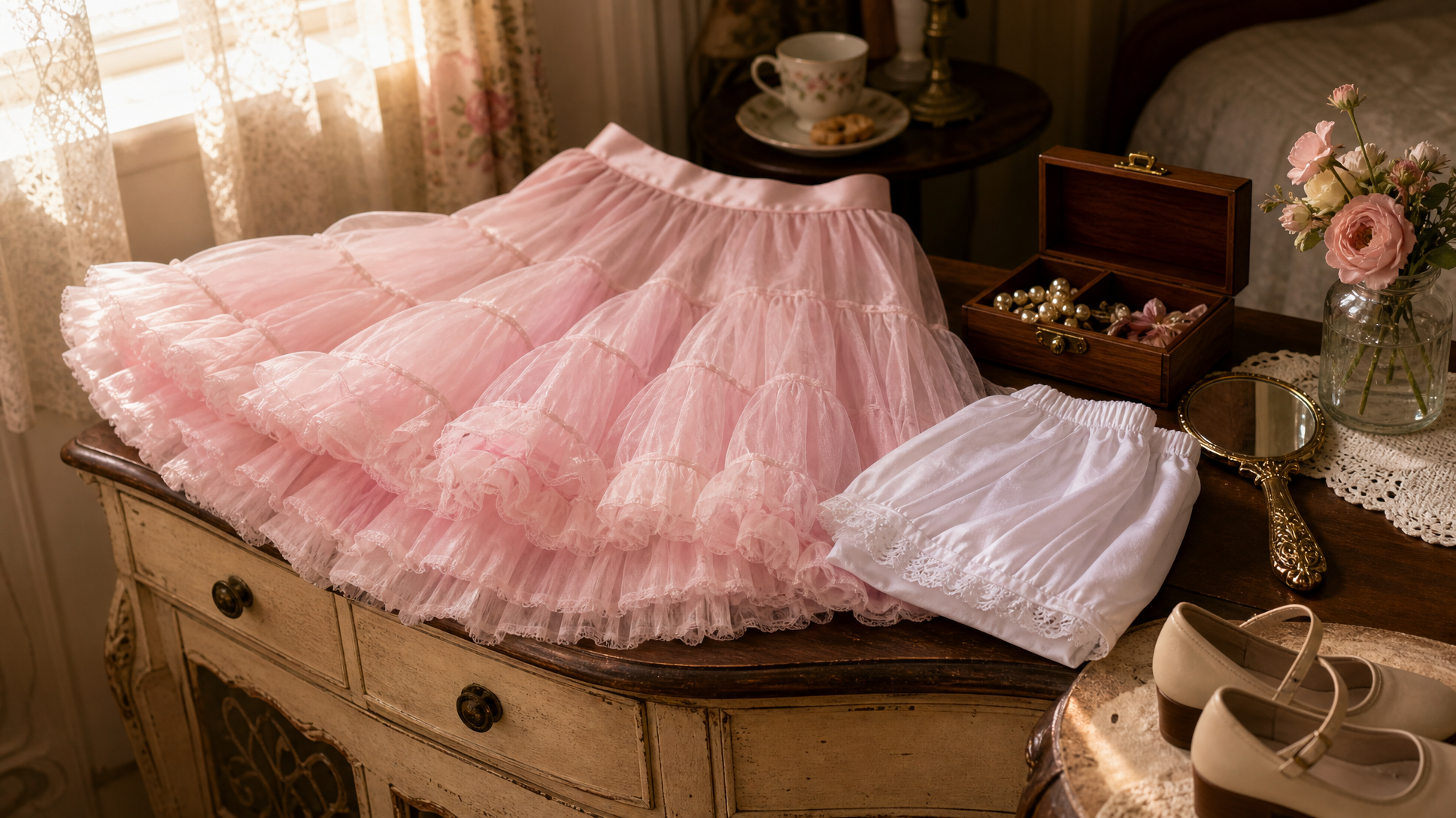
Here's the thing nobody tells you when you first fall for a petticoat: looking incredible in a mirror and actually wearing one comfortably for eight hours are two very different achievements. The scratchy netting that digs into your thighs by noon, the waistband that creeps down every time you sit, the layers that go flat the moment you stop twirling — these aren't just annoyances. They're the reason so many beautiful petticoats end up hanging in the back of a closet after one event.
If you want a petticoat you can wear from a morning swing dance class straight through to a late dinner without constant fussing, you need to think about it a little differently than you would a dress or a skirt. This guide covers the specific decisions that separate an all-day petticoat from a two-hour one.
The waistband is where most petticoat discomfort originates. A too-tight elastic digs in and leaves marks; a too-loose one migrates down your hips every time you move. Neither is acceptable when you're out for a full day.
What you're looking for is a wide, soft elastic that sits flat against your skin without rolling. Narrow elastic — the kind you find on budget garments — has a tendency to fold over on itself, which creates a hard ridge right at your natural waist. Wide elastic distributes the tension evenly and stays put. When you're shopping, check whether the waistband is fully encased in fabric or just exposed elastic. Encased is almost always more comfortable against skin.
Sizing matters more here than in most garments. Petticoats are often sold in ranges rather than precise sizes, so if you're between two, size up. A waistband you have to wrestle into will exhaust you by lunchtime.
The instinct when you want volume is to go for the most layers possible. That's not wrong, exactly — but it ignores weight. A petticoat with many layers of stiff, heavy netting can pull downward on your waist all day, and the sheer mass of it can make movement feel labored rather than effortless.
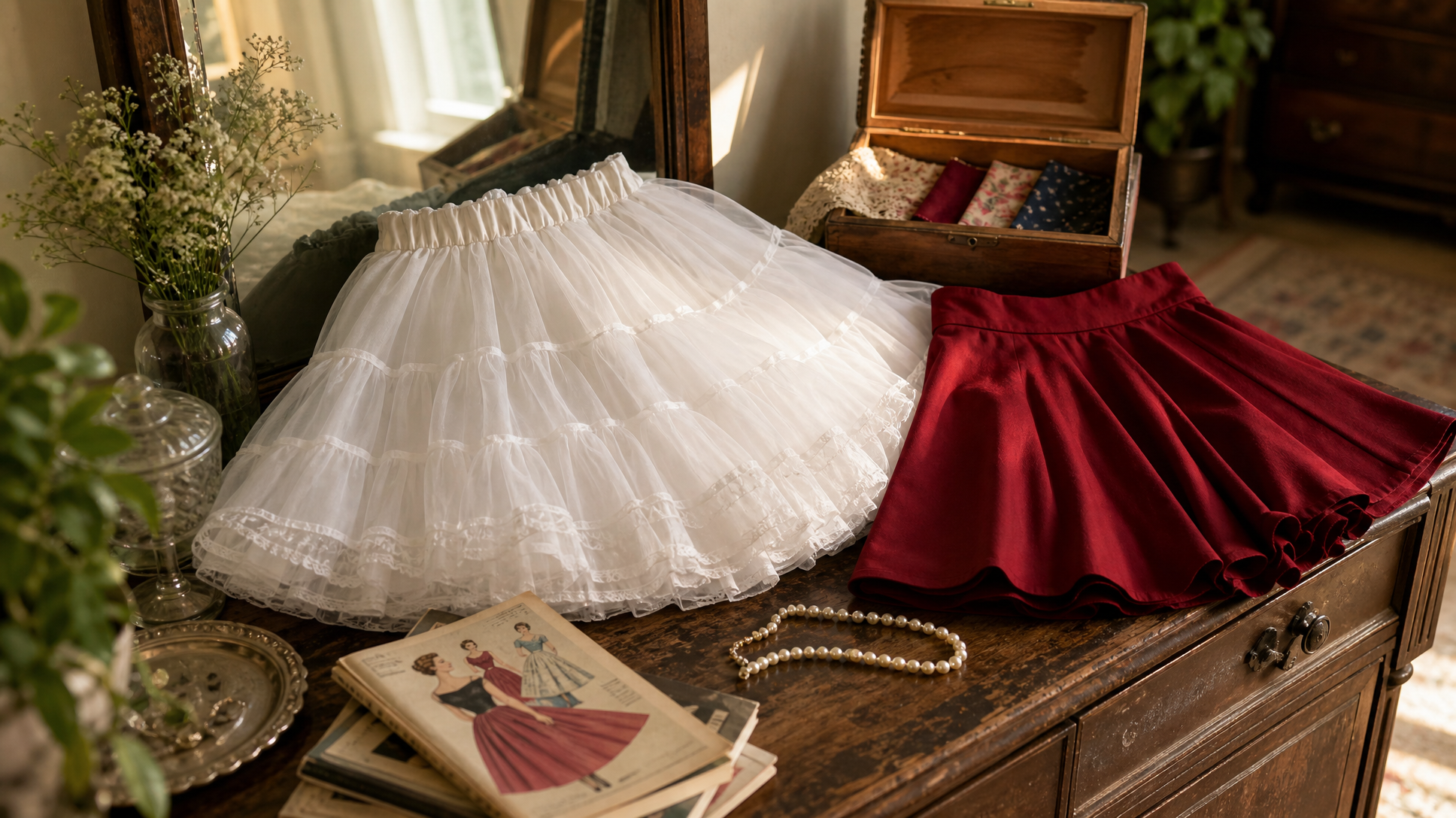
The better approach is to think about how the layers are constructed, not just how many there are. Layers cut in graduated lengths hold their shape better than layers all cut to the same length, because each tier supports the one above it. A petticoat built this way keeps its silhouette without relying on stiffness alone — which means the fabric can be softer and lighter against your body.
For all-day wear, a mid-weight petticoat with well-structured tiers will outperform a very heavy, maximalist one every time. Save the most dramatic, stiffest options for short events and photo shoots where comfort over time isn't the priority.
Netting is what creates volume, but raw netting against bare legs is genuinely uncomfortable — it catches on skin, creates friction, and can leave marks after a few hours. This is probably the single most common reason people give up on petticoats.
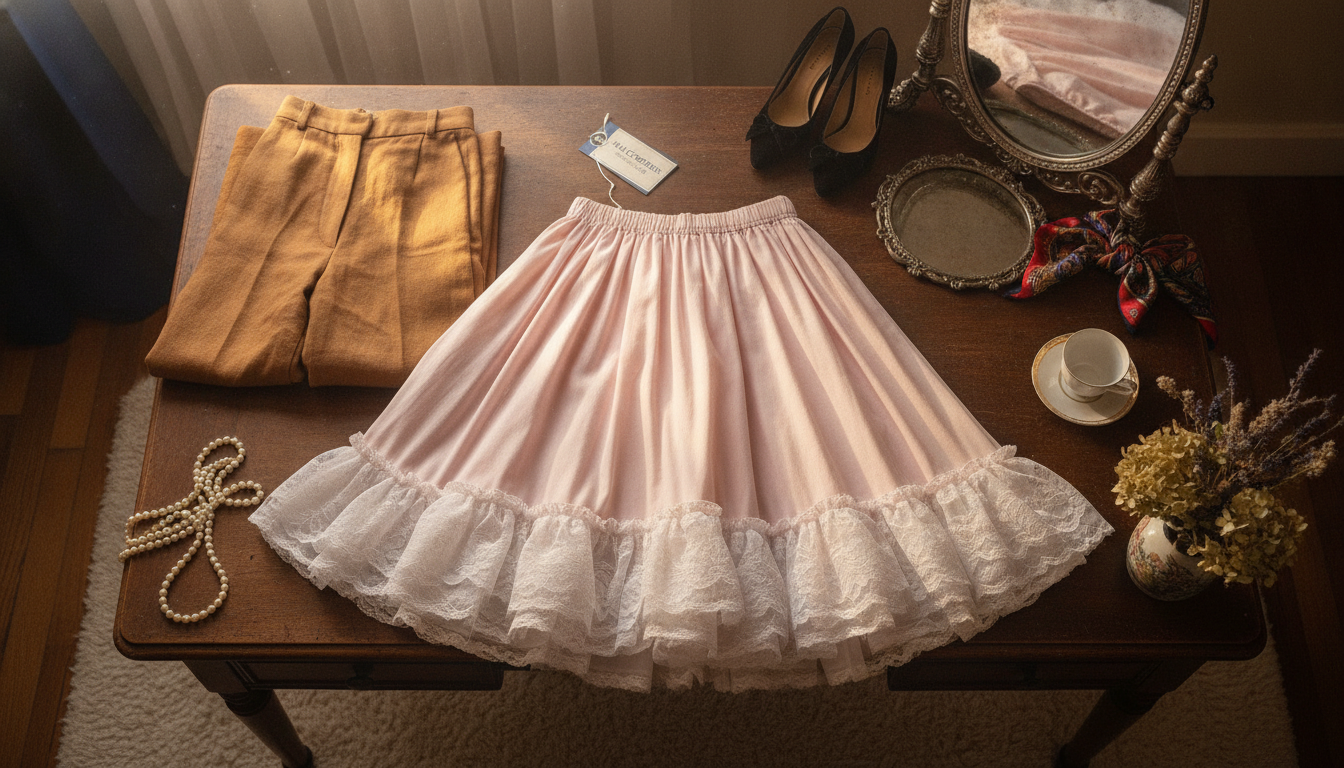
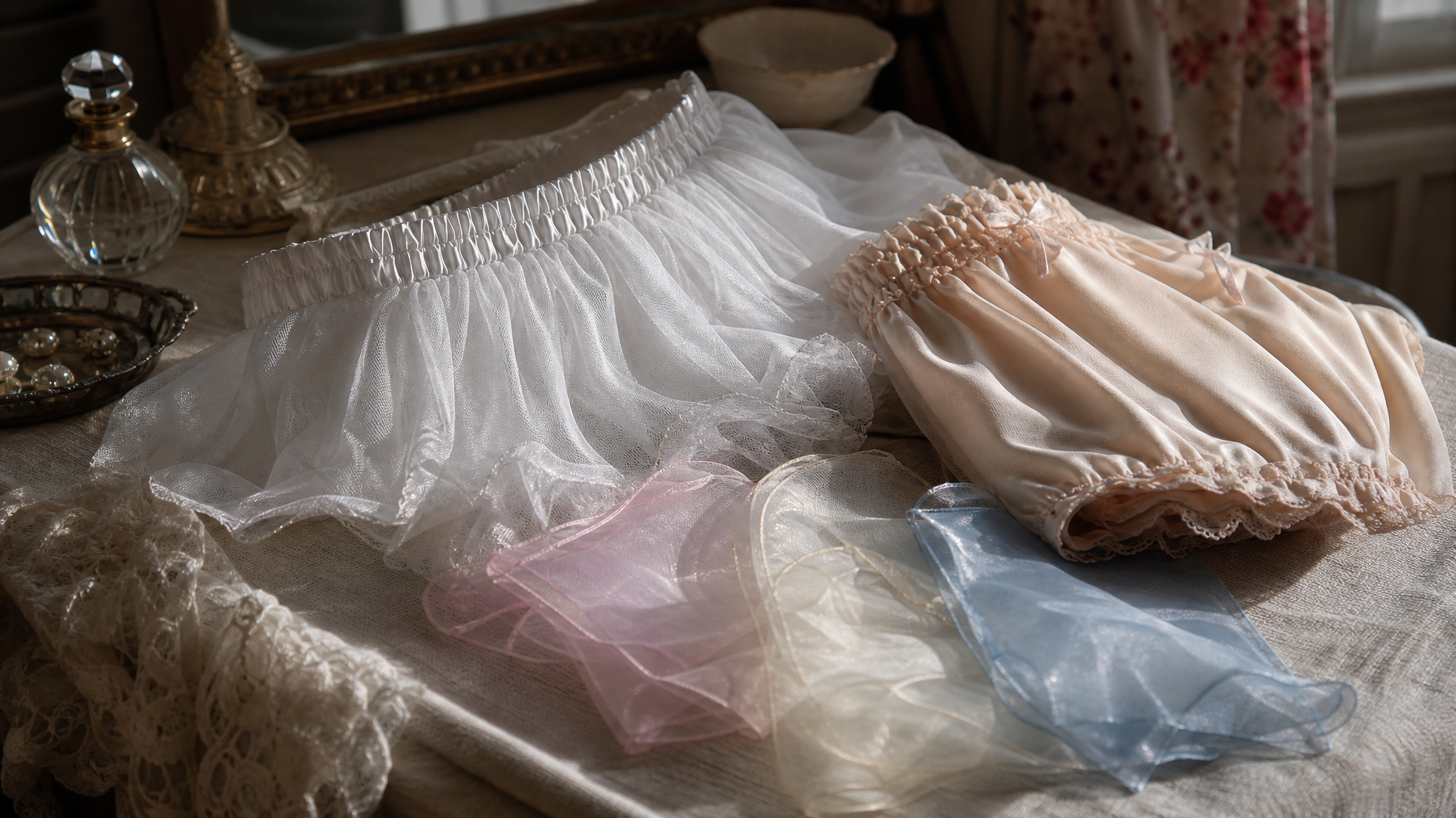
The fix is straightforward: the outermost layer of a well-made petticoat should be a soft fabric — often chiffon, organza, or a similar lightweight woven — that acts as a barrier between the netting structure and your skin. If yours doesn't have that, a pair of pettipants underneath solves the problem entirely. Pettipants are essentially soft, wide-leg shorts or bloomers that sit between your legs and the petticoat layers, eliminating friction and adding a little extra warmth in cooler months. They're one of those undergarments that sounds fussy until you try them, and then you wonder how you managed without.
Volume that deflates by hour three is a petticoat's other great failure mode. A few habits make a real difference here.
Store it properly. Petticoats that are folded flat lose their loft. Hang yours, or if you're short on closet space, store it in a breathable bag stuffed loosely with tissue paper to maintain the shape between wears.
Give it a shake before you put it on. Literally hold it by the waistband and give it a few good shakes to redistribute the layers and let air back into the netting. It takes ten seconds and makes a visible difference.
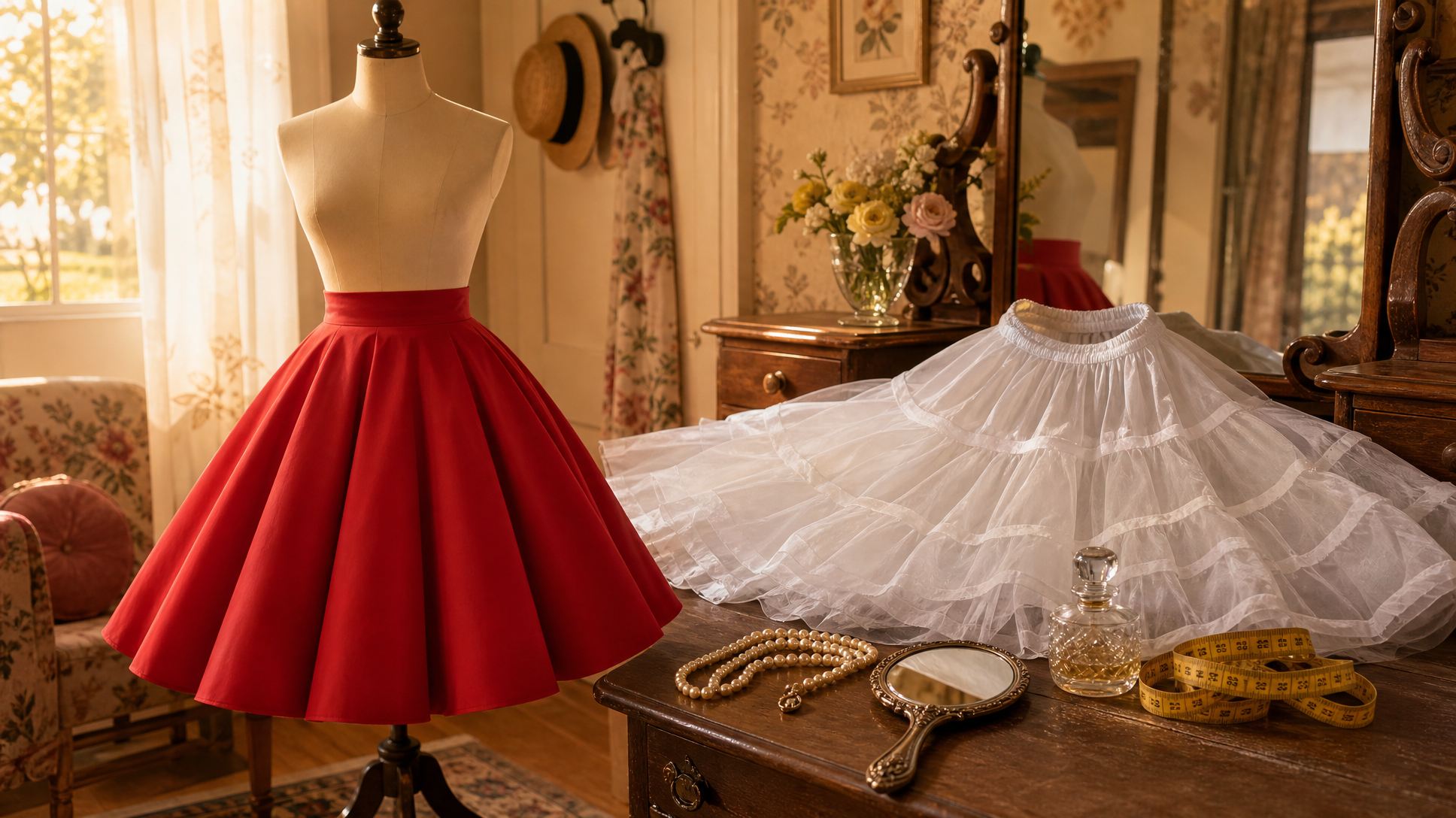
Choose the right dress length. A petticoat works best when the hemline of your dress or skirt sits at or just below the petticoat's fullest point. If your dress is significantly longer than the petticoat, the extra fabric weighs down the layers and flattens the silhouette. If it's much shorter, the petticoat peeks out more than you might want. Matching the lengths is the detail that makes the whole look intentional.
Sit mindfully. When you sit, try to smooth the petticoat layers forward rather than crushing them underneath you. It sounds precious, but it becomes automatic quickly — and your petticoat will still have its shape when you stand up.
A petticoat that's comfortable to wear is only half the equation. The other half is making sure the overall outfit doesn't fight the silhouette.
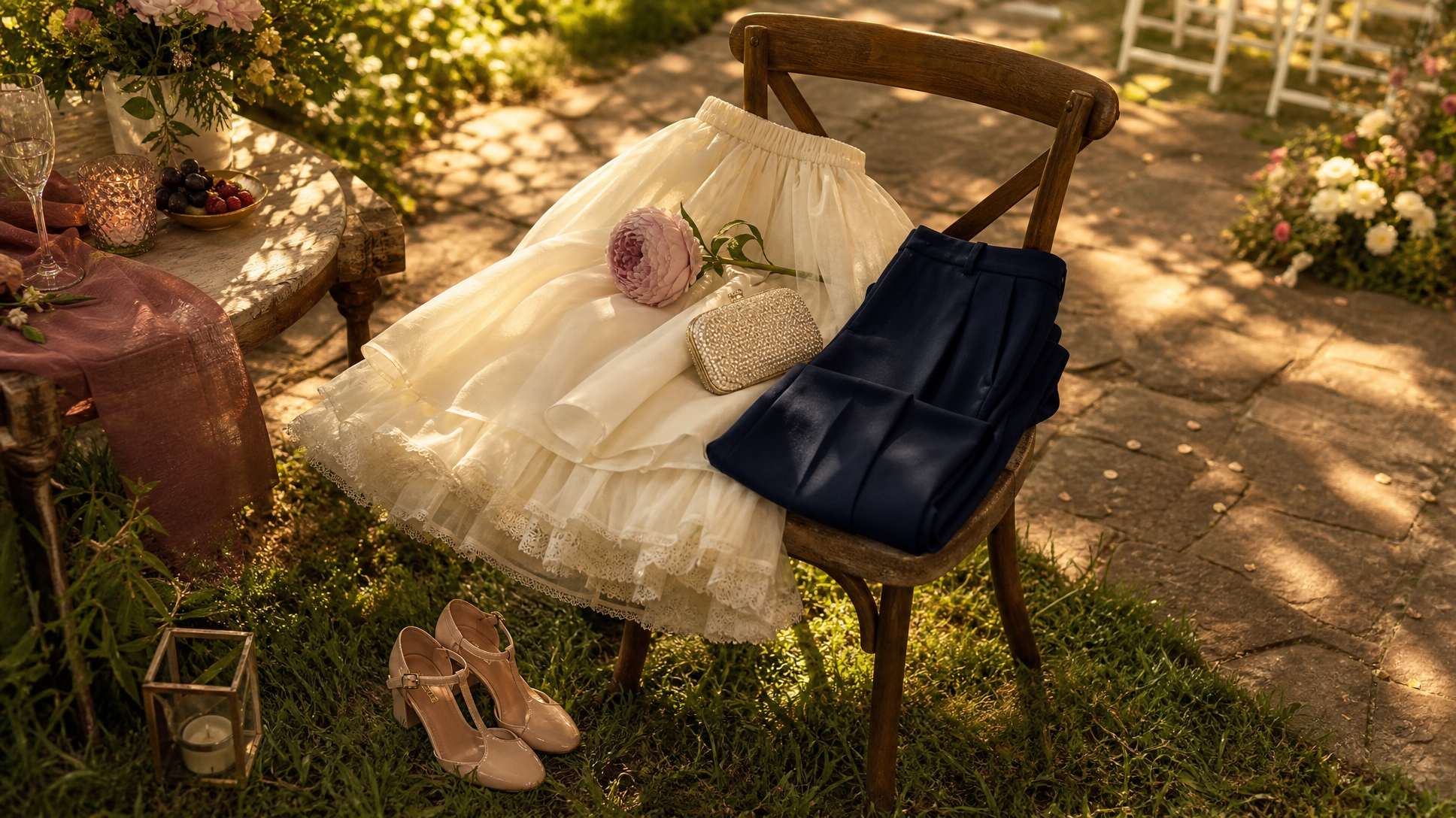
Full, voluminous skirts read best when the top half is more fitted — a tucked blouse, a fitted bodice, a cinched waist. This contrast is what gives the classic vintage silhouette its drama. If your top is also loose and voluminous, the petticoat just adds bulk rather than shape.
Footwear matters more than people expect. Flat shoes — especially ballet flats or simple loafers — tend to make a full skirt look costume-y in everyday settings. A low block heel or a clean sneaker grounds the look and makes it wearable beyond themed events. If you're going to a swing dance or a pin-up gathering, obviously lean into it fully. But for the grocery run that happens to fall on the same day as your afternoon event, a slightly more grounded shoe keeps the whole thing from reading as fancy dress.
If you're curious about building full costume looks around a petticoat, this post on building Halloween costumes from closet basics shows how a single statement piece can anchor multiple completely different looks — the same principle applies to a petticoat year-round.
A comfortable all-day petticoat comes down to four things: a waistband that fits properly and stays put, layers that are structured rather than just heavy, a soft outer layer (or pettipants underneath) that keeps netting off your skin, and a shape that's maintained through how you store and handle it. Get those right and the volume takes care of itself.
Find petticoats built for real wear — shop the full selection at malcomodes.biz.
Petticoats are typically sized by waist measurement rather than dress size. Measure your natural waist (or wherever you plan to wear the waistband) and compare it to the size chart for the specific petticoat you're considering. When in doubt between two sizes, size up — a slightly looser waistband is far more comfortable over a long day than one that's snug.
Pettipants are soft, wide-leg shorts or bloomers worn underneath a petticoat. They sit between the netting layers and your skin, preventing friction, chafing, and that scratchy feeling that makes some people give up on petticoats entirely. If you plan to wear your petticoat for more than an hour or two — especially in warmer weather or while dancing — they're genuinely worth it.
Most petticoats do best with a gentle hand wash in cool water, or a delicate machine cycle in a mesh laundry bag. Avoid wringing or twisting the layers — press the water out gently instead. Hang to dry rather than putting it in a dryer, and give it a shake once it's fully dry to restore the loft. Always check the care label on your specific petticoat, as materials vary.
Petticoats work best under full or A-line skirts and dresses where there's enough room in the skirt for the layers to expand. Fitted, pencil, or bodycon styles won't accommodate the volume and will just look bunched. The hemline of your dress should also roughly match the fullest point of your petticoat for the silhouette to look intentional rather than accidental.