Cart
0
You may also like
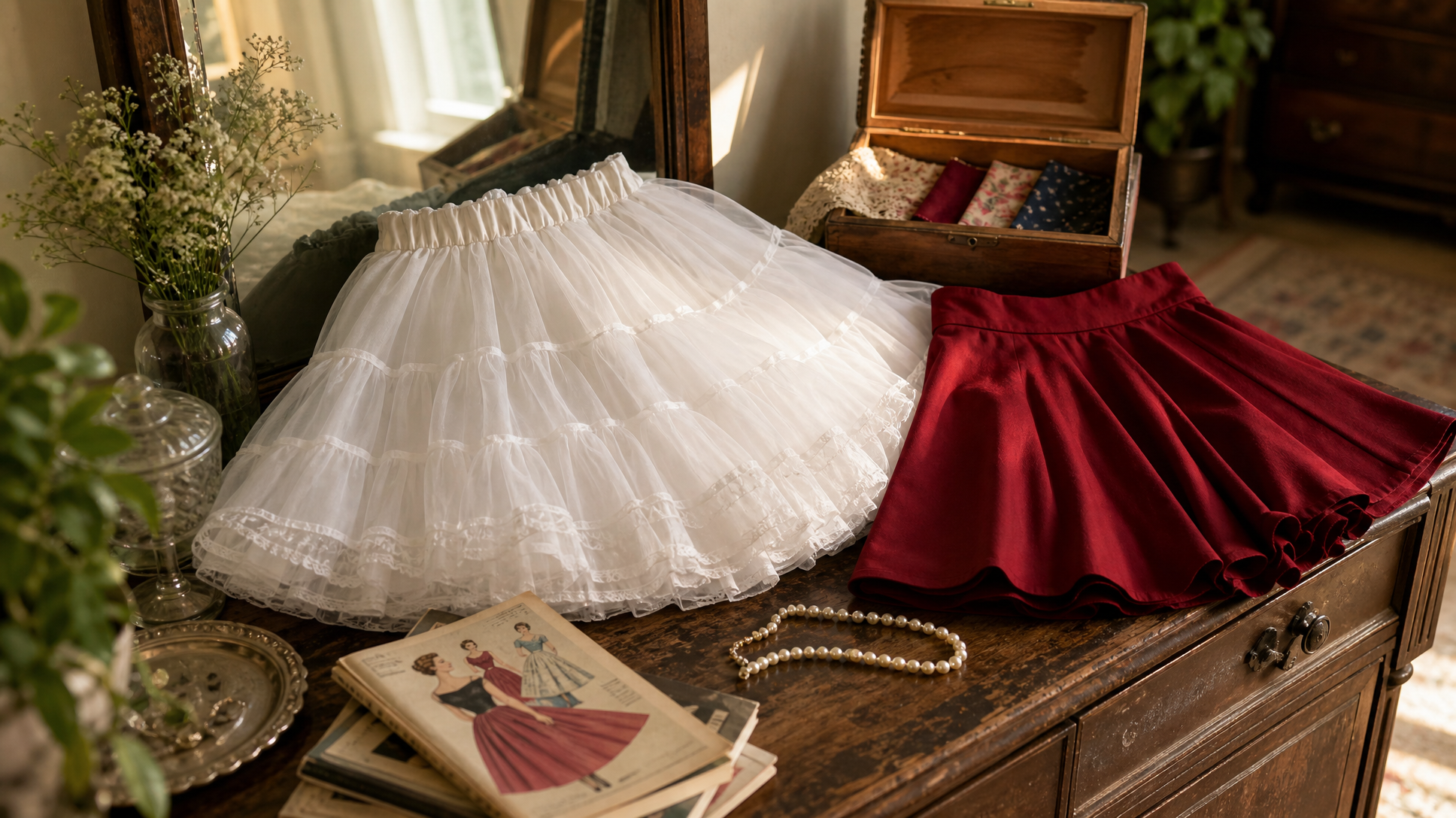
It's the churn. You buy something, wear it twice, and it disappears into the back of the closet — or worse, the bin. The cost-per-wear on that "bargain" dress ends up being anything but. Sustainable dressing, at its core, is just the opposite: fewer pieces, worn more often, that you actually love putting on.
For anyone drawn to vintage and retro aesthetics, this philosophy fits naturally. Classic silhouettes don't go out of style. A full circle skirt or a voluminous petticoat looks as relevant at a swing dance night as it does at a Halloween party or a 1950s-themed bridal shower. The challenge is building that wardrobe intentionally — especially when you're working with a real budget, not a Pinterest fantasy one.
Here's how to do it.
Before you buy anything, ask one question: how many different outfits can this become? That's the sustainability test that actually matters more than any label or certification.
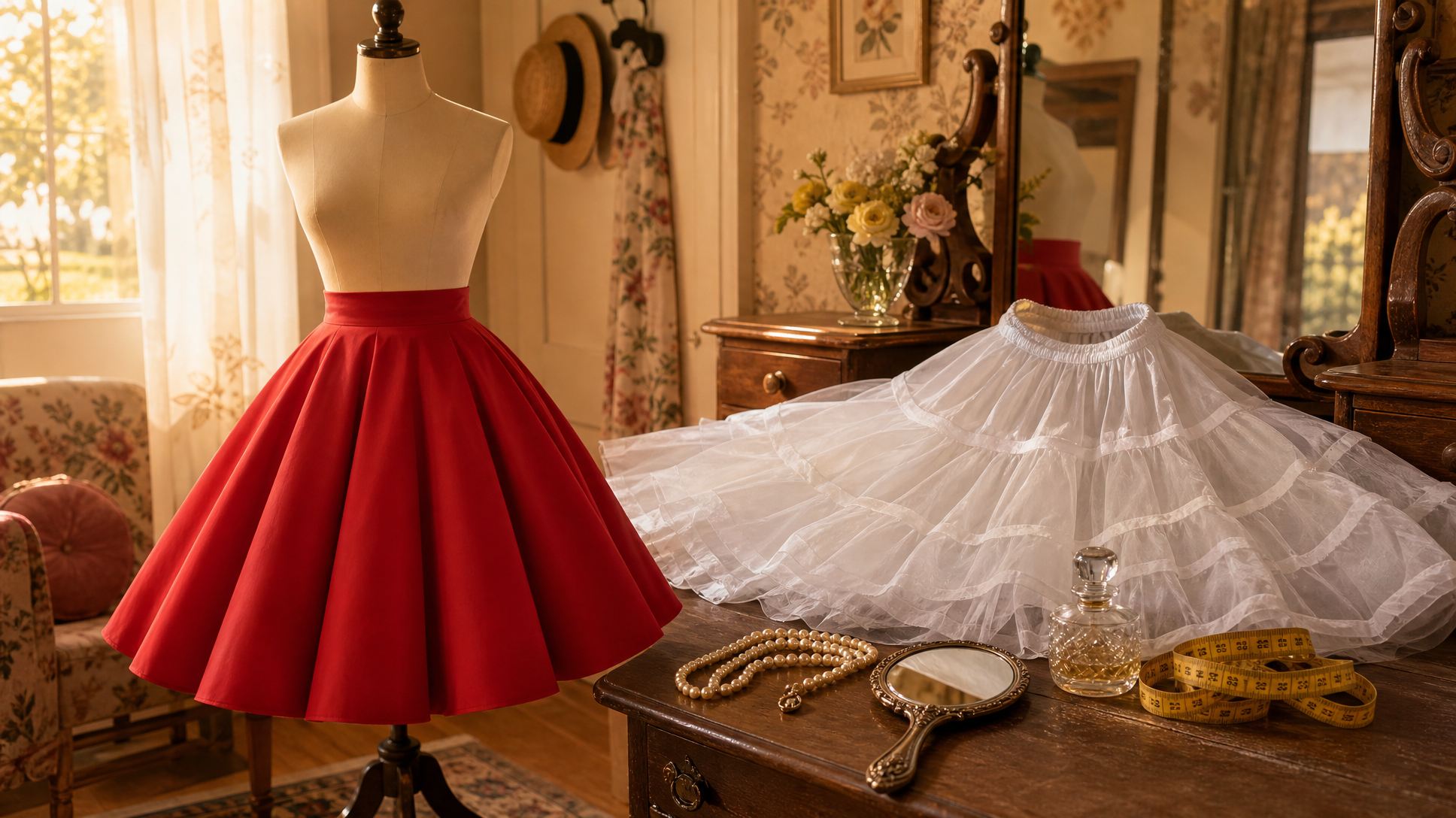
In a vintage-inspired wardrobe, the highest-leverage pieces are almost always the ones that create shape — petticoats, full skirts, and pettipants. A single petticoat can transform a plain dress into a 1950s silhouette, give a tutu skirt its lift for a costume, or add volume under a midi skirt for a night out. It's not a one-occasion item. It's infrastructure.
Think of it like building a kitchen: you buy good knives first, not a novelty gadget. In vintage dressing, the petticoat is the knife.
The fastest way to waste money on vintage-inspired pieces is to buy them for a single occasion. That Halloween tutu skirt that only comes out in October? It's costing you far more per wear than it looks.
Instead, build around pieces that genuinely cross contexts:
The goal is that every piece earns its drawer space by being genuinely wearable in at least three different scenarios. If you can't picture three, keep looking.
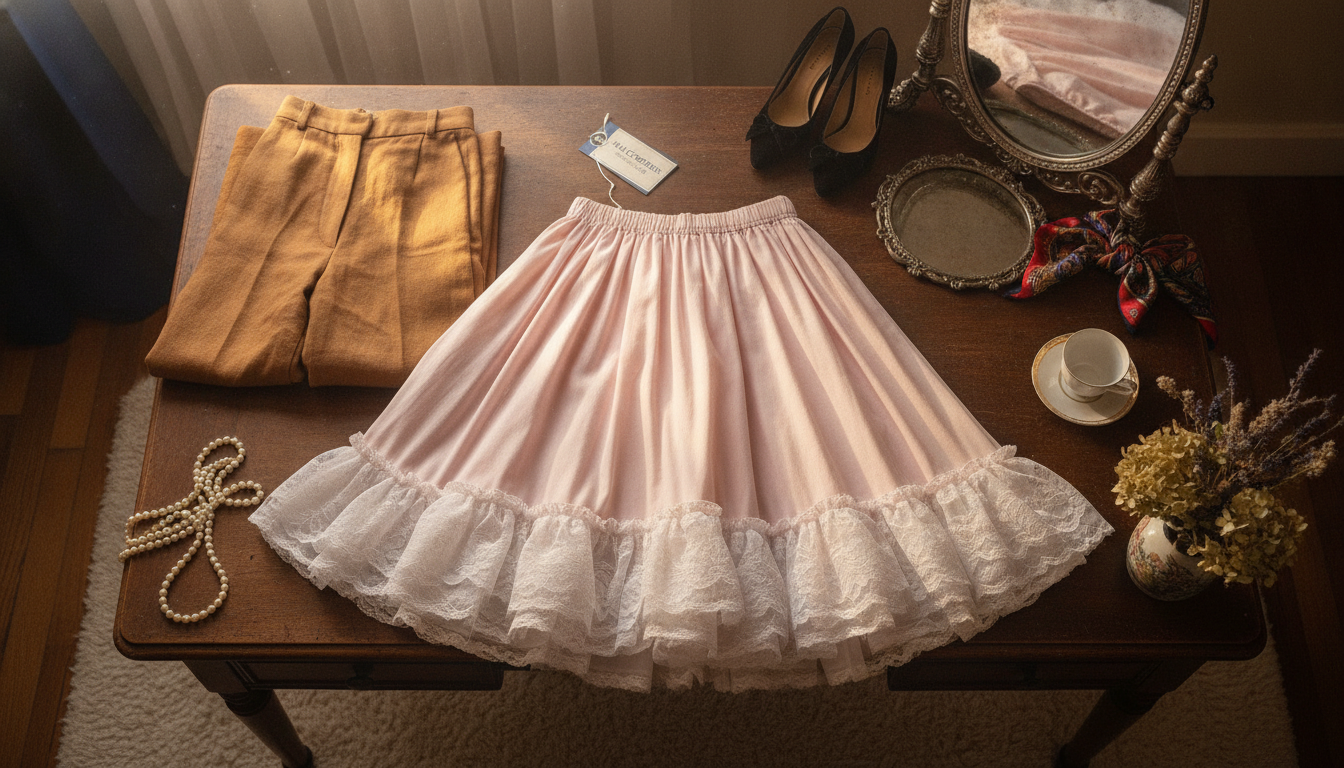
There's a persistent myth that sustainable fashion has to be expensive. It doesn't — but cheap and sustainable are also not automatically the same thing. A low-priced petticoat that loses its fluff after three washes is no bargain. A well-made one at an accessible price point that holds its volume through years of wear? That's actually the sustainable choice.
When you're shopping on a budget, focus on construction details over brand names:
Specialty retailers who focus specifically on petticoats and vintage-inspired undergarments — rather than stocking them as an afterthought — tend to get these details right more consistently than general fashion sites. The assortment is narrower, but the expertise shows in the product.
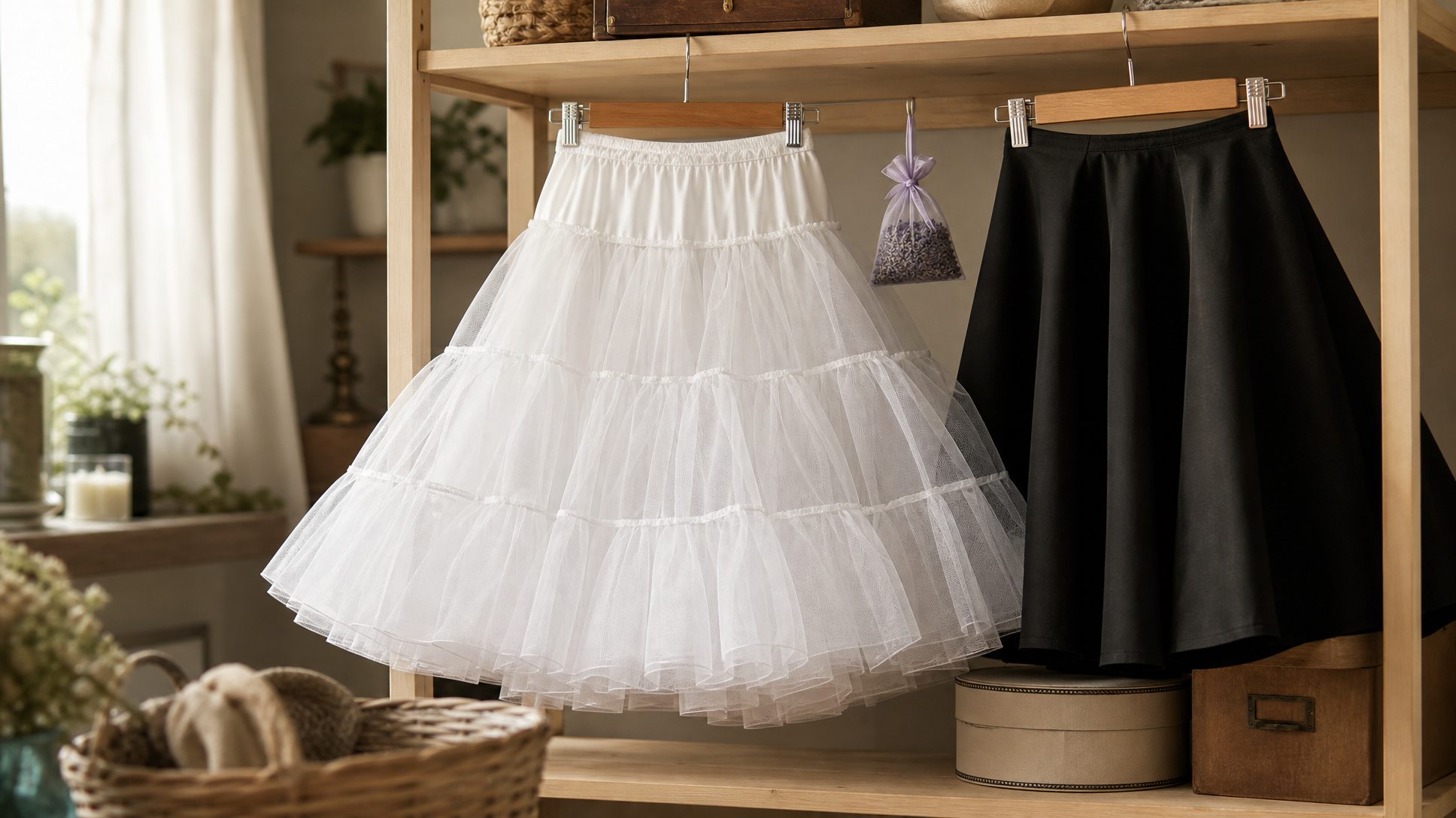
Halloween is the biggest offender, but it's not the only one. Themed parties, conventions, dance recitals — these events have a way of making you feel like you need something completely new and completely specific. Sometimes you do. Most of the time, you don't.
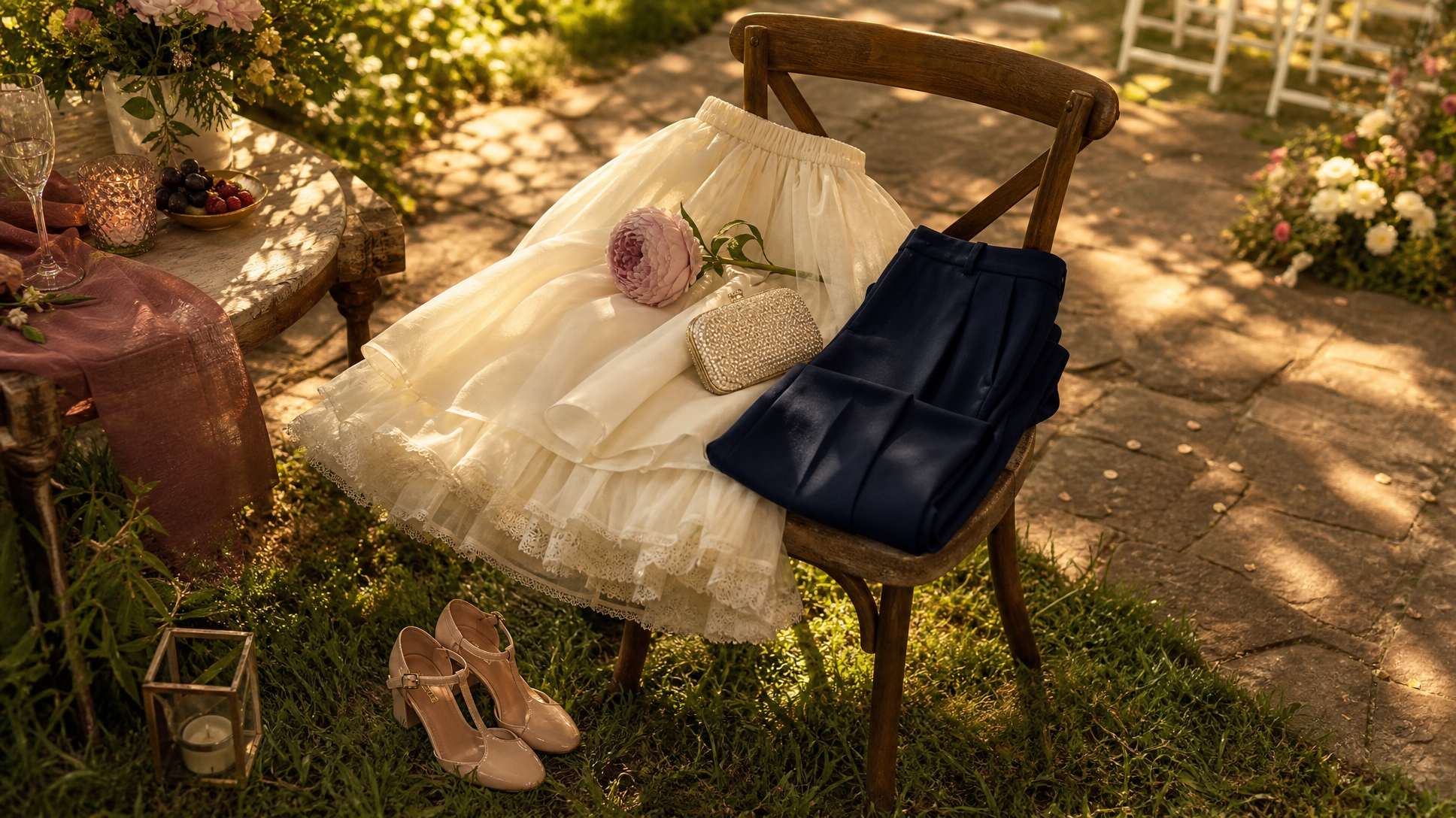
Before buying for an event, raid your existing pieces first. A black petticoat plus a corset top is already a costume. A tutu skirt in a bold color works for a recital, a birthday party, and a cosplay weekend. The one-item, five-ways approach to Halloween costumes is a genuinely useful framework here — and it applies well beyond October.
When you do need something new, buy it with the next three occasions already in mind, not just the one in front of you.
The most sustainable garment is the one already in your closet. Vintage-inspired pieces — especially petticoats and tulle skirts — often get mistreated because people aren't sure how to care for them. A few habits make a real difference:
None of this is complicated. It just requires treating these pieces as the investment they are — even when the price tag was modest.
A sustainable vintage wardrobe isn't built in one shopping session. It's built by resisting the impulse buy, choosing pieces that genuinely excite you enough to wear repeatedly, and caring for them well enough that they last. The budget part almost takes care of itself when you're buying less but wearing everything you own.
Start with one great petticoat. Wear it everywhere it fits. Then add the next piece only when you know exactly how it earns its place.
Ready to start with the right foundation? See our affordable petticoats, skirts, and vintage dresses — pieces built to last and wear often.
Honestly, one is enough to begin. A single petticoat in a neutral color — white or black — will work under the widest range of dresses and skirts. Once you know how often you're reaching for it and what gaps you notice, you'll have a much clearer sense of whether a second one (in a different length or color) is worth adding.
Absolutely for everyday — it just depends on the fullness level. A lighter, less voluminous petticoat adds a subtle A-line shape under a dress without being theatrical. Save the maximum-fluff layers for events where you want real drama. Matching the petticoat to the occasion is the key to making it feel wearable day-to-day rather than costumey.
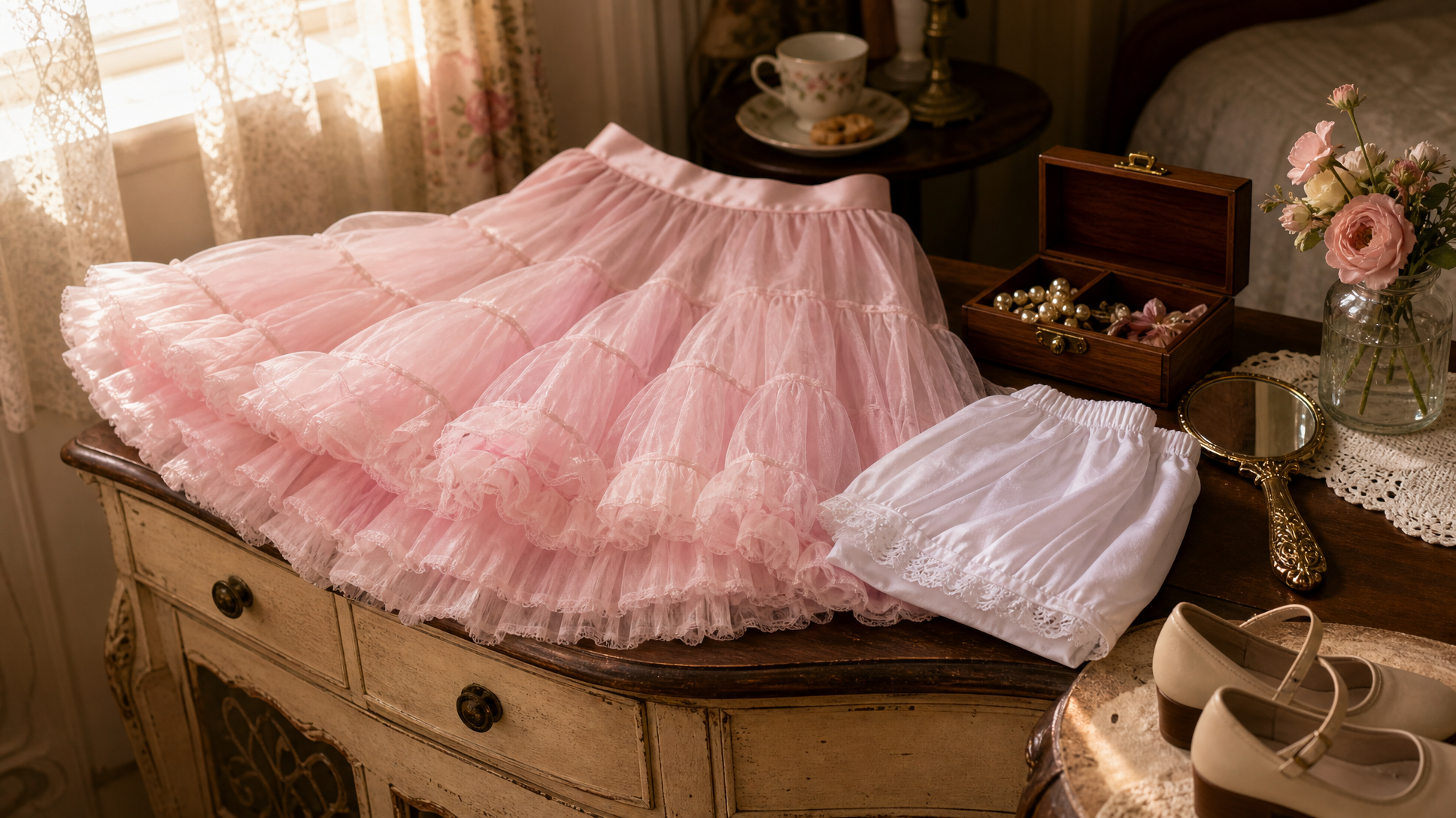
Hanging is almost always better than folding. If you fold and compress netting or tulle for extended periods, it tends to flatten out and lose its lift. A wide skirt hanger, or even a hook on the back of a door, keeps the layers from being crushed. If you must store it folded, give it a gentle shake and a few minutes of air before wearing.
It can be, depending on what you're buying and how often you wear it. Thrifting has real benefits, but specialty items like petticoats and pettipants are genuinely hard to find secondhand in the right size and condition. Buying a well-made, affordable new piece that you wear dozens of times can have a lower effective impact than buying cheap fast-fashion items repeatedly. The metric that matters most is cost-per-wear, not purchase price alone.