Cart
0
You may also like
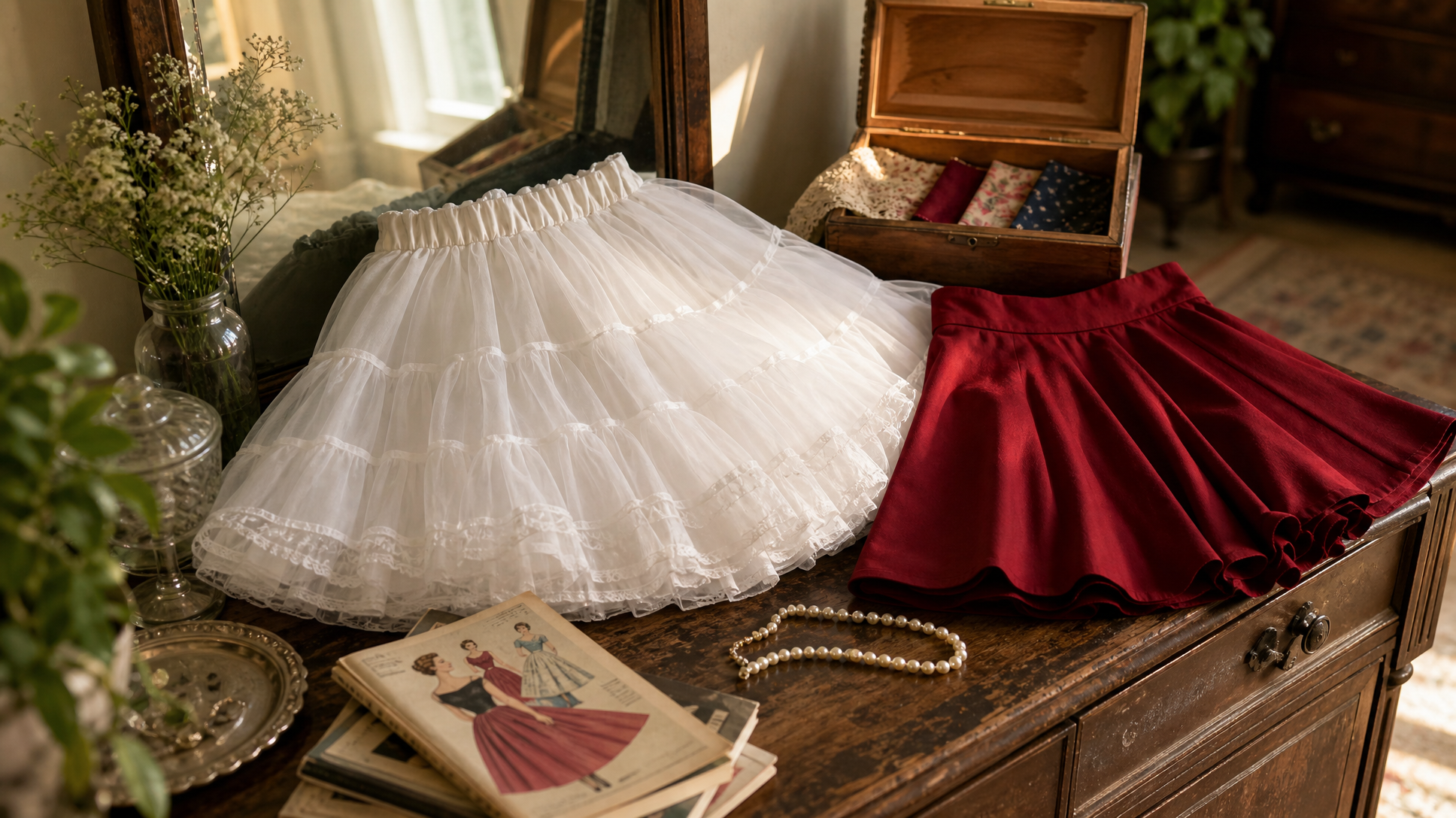
Petticoats have been an integral part of women's fashion for centuries, evolving from simple protective layers to voluminous statement pieces that define silhouette and style. This blog traces their fascinating journey through history, cultural significance, materials, and modern adaptations, highlighting why petticoats remain timeless and purposeful.
The term “petticoat” first appeared between 1375 and 1425, coming from Middle English words pety and coote meaning “small coat.” Interestingly, petticoats began as padded coats for men, worn under armor for warmth and protection. Over centuries, this concept transitioned into women’s fashion as tailored skirts worn under outer gowns.
During the medieval era, petticoats provided warmth, modesty, and helped shape dress silhouettes. The Tudor era distinguished between the “kirtle” (a fashionable outer skirt) and “petticoat” (usually an undergarment), though terms and styles varied by social class and trends. Red-dyed petticoats were popular in Elizabethan times, symbolizing warmth and bold style.
For more on early petticoats, see the All About Petticoats blog and Tudor costume resources.
In the 16th century, fashion emphasized silhouette, leading to petticoats becoming visible and decorative. Dresses often had front openings showcasing ornately brocaded or embroidered petticoats beneath. By the 17th century, stays (early corsets) separated from skirts, making petticoats distinct garments. Women sometimes layered eight to ten petticoats for fullness and display.
Multiple petticoats were not just decorative but offered warmth, modesty, and protection for outer skirts. Learn more about petticoats of this era at Britannica or practical guides like Types of Petticoats.
Eighteenth-century petticoats became ornate with quilted patterns adding texture and structure. The iconic robe à la française style used structural supports called paniers or pocket hoops to widen skirts sideways, reducing the number of petticoats needed but requiring layers to maintain shape.
Petticoats became visible fashion statements, essential to the period’s dramatic silhouette. Details and backgrounds can be found at History Timeline 1850s.
The 19th century heralded the golden age of petticoats. Early 1800s empire lines favored sleek underdresses, but Romantic era revived volume with multiple layers. By the 1840s, many petticoats were worn for large skirt shapes; the bustle era shifted fullness to the rear with flat fronts and ruffled backs.
The cage crinoline, invented in the 1850s, offered volume with less bulk. Women layered petticoats under and over crinolines for modesty and softness. For expert insight, visit The Ultimate Guide and historical context in Crinoline Petticoats.
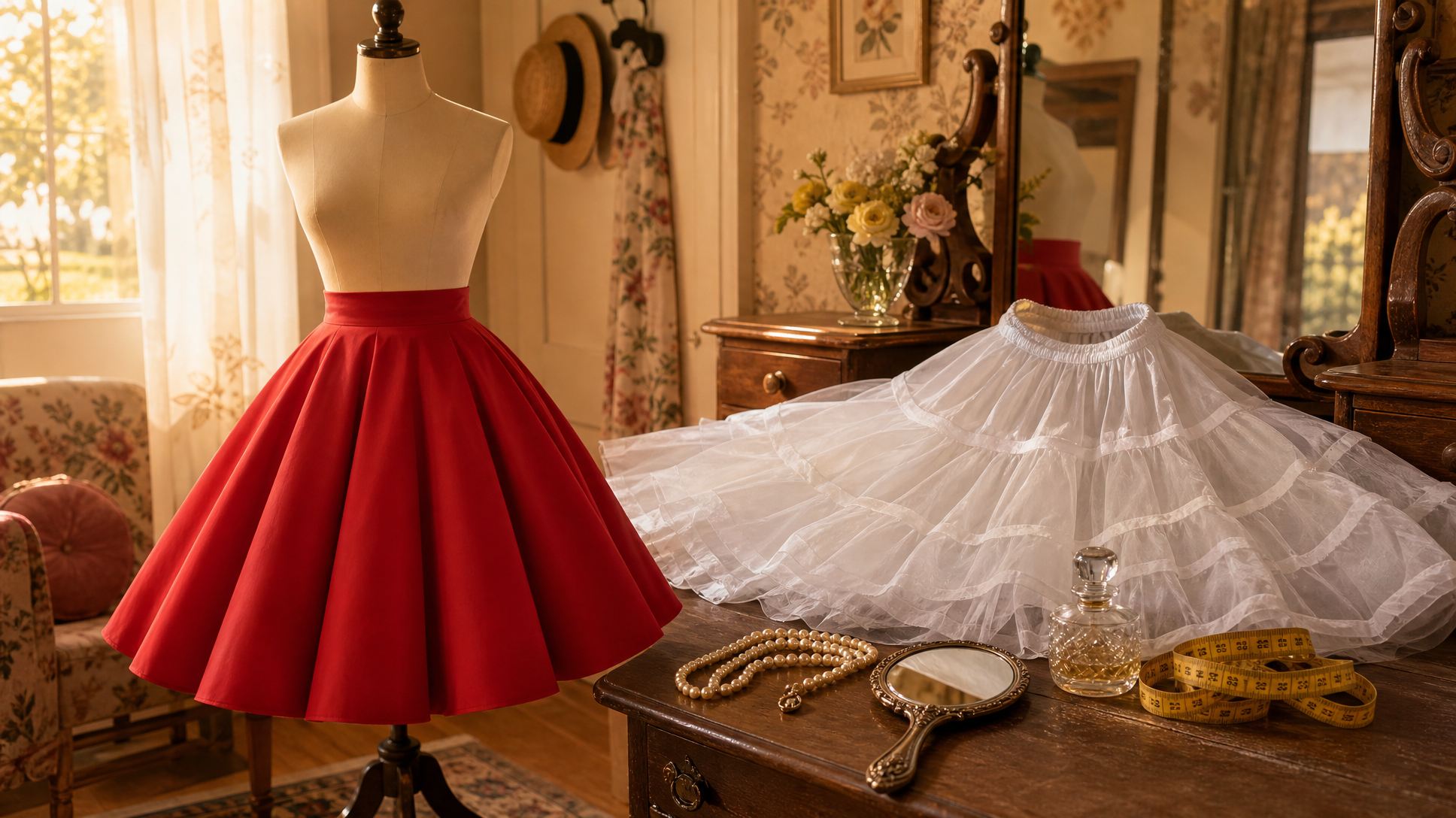
Petticoats declined in visibility with slimmer 20th-century skirts, serving mainly modest and practical roles. The 1950s revival, especially in American fashion with Dior’s New Look, brought back full skirts with netted petticoats creating vibrant volume and bounce.
This period’s fashion referenced Victorian silhouettes for playful, dramatic effect. Explore detailed history and style at Gaala Fashion Editorial.
For further details, check Revamp Your Wardrobe on embracing petticoats elegantly today.
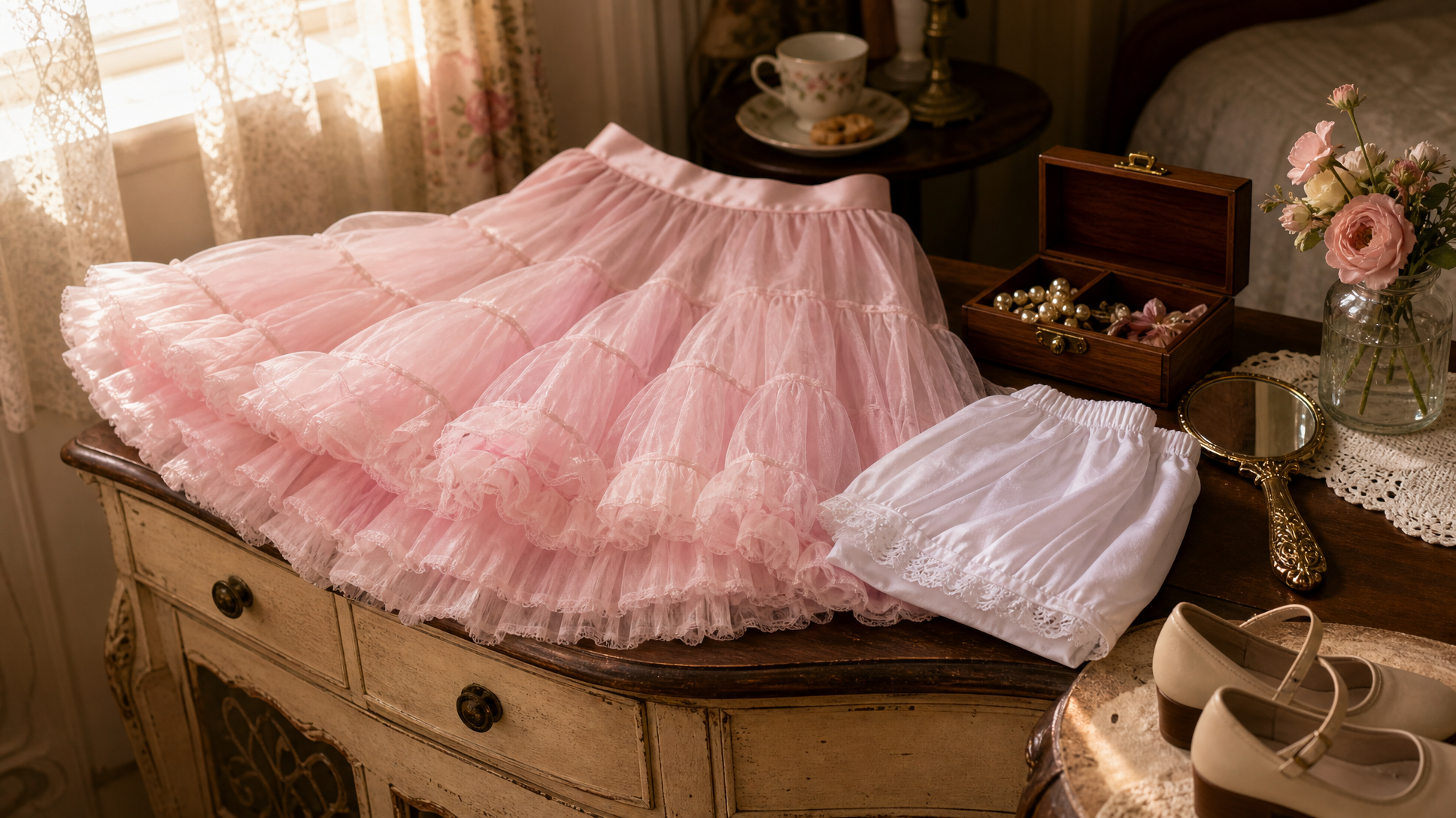
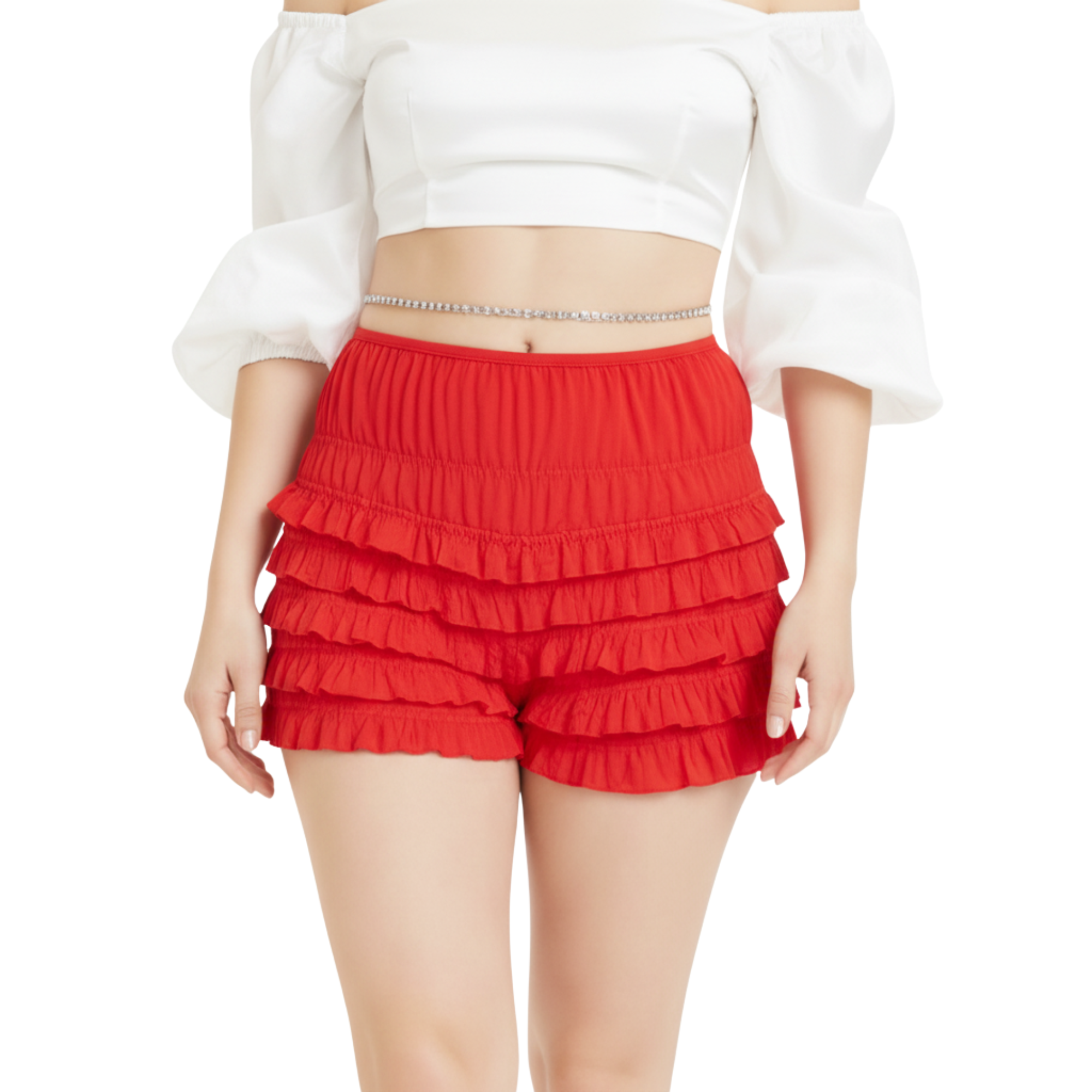
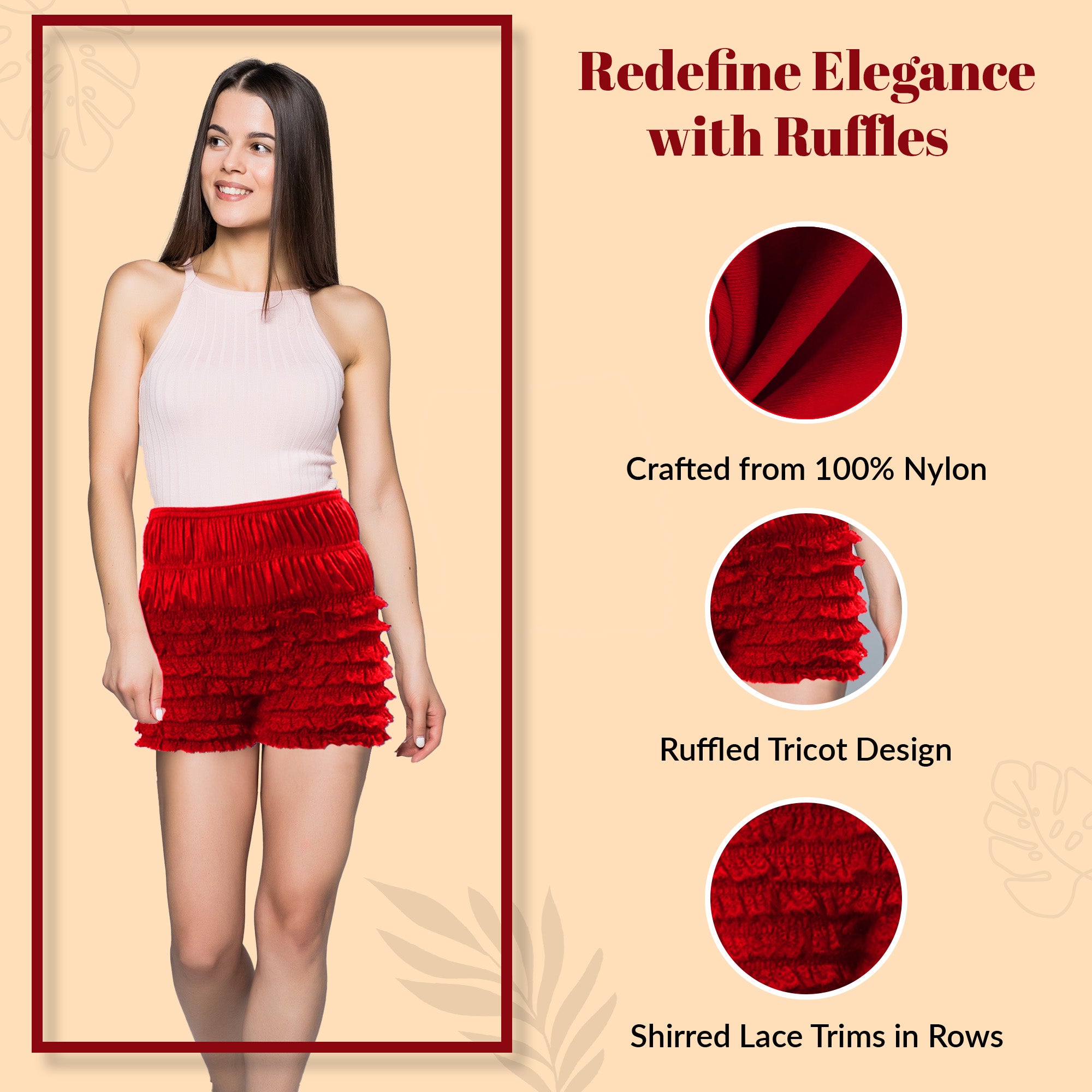
Modern petticoats mix classic aesthetics with new materials for ease and durability. Brands like Malco Modes create chiffon petticoats with:
Proper washing, ironing, and starching prolong life and preserve shape.
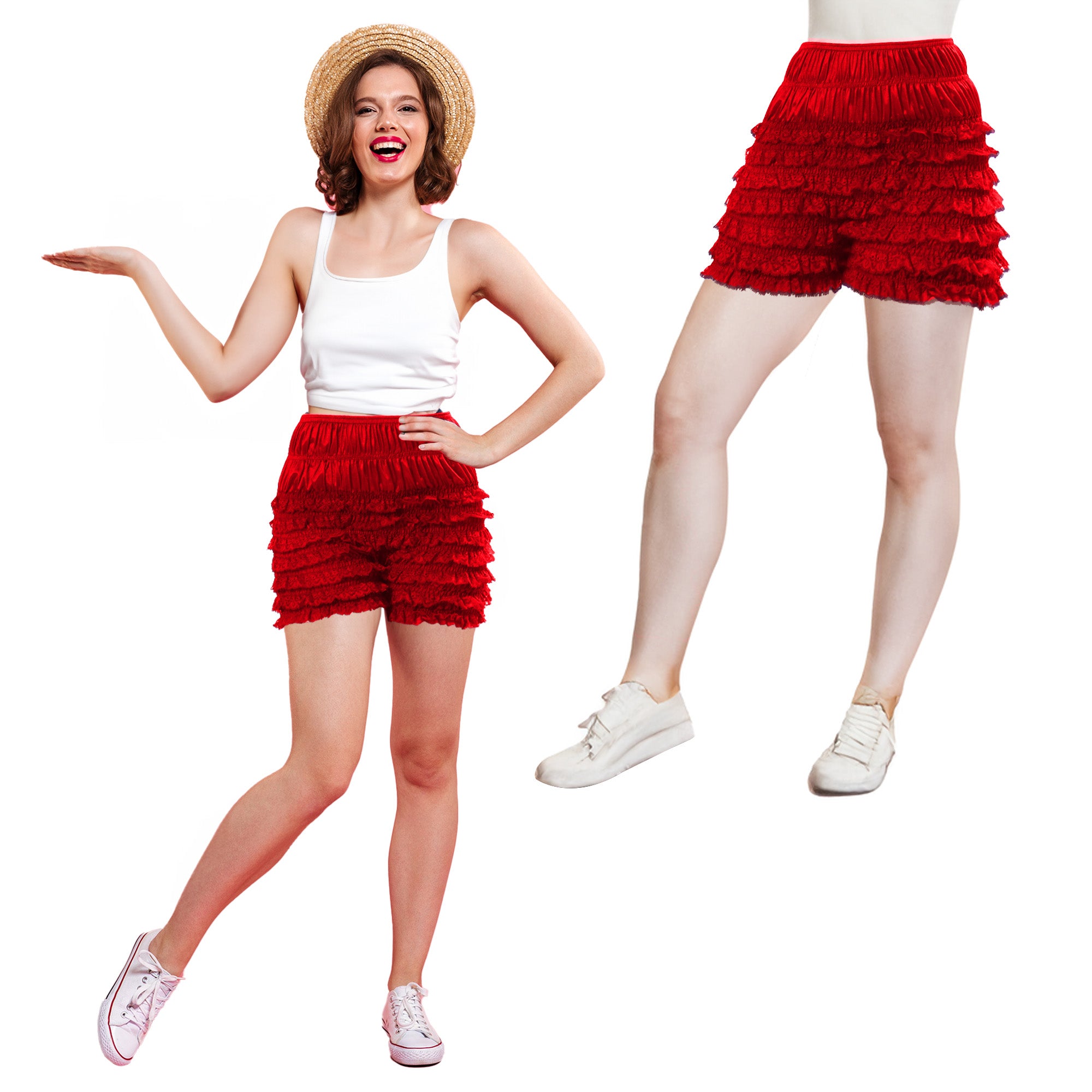
Discover exceptional options at Petticoats: Elevate Your Style with Timeless Elegance.
Beyond fashion, petticoats were markers of modesty and femininity. When showing legs was taboo, petticoats fully covered the lower body, adding layers beneath sheer or open-front dresses to maintain propriety. Today’s modesty debates contrast with past views focused on legs.
Historical anecdotes like Laura Ingalls Wilder’s six starched muslin petticoats and hoops worn for church epitomize how petticoats symbolized social expectations and daily effort to appear proper.
The history of petticoats enriches our understanding of fashion as a reflection of culture, function, and style evolution. These garments transitioned from hidden essentials to expressive statements and continue today as elegant, wearable vintage-inspired pieces.
For enthusiasts, knowing layering and fabric choices is key to authentic historical looks or stylish modern wear. Brands like Malco Modes connect heritage with contemporary needs, proving petticoats’ timeless relevance for events, parties, and vintage fashion enjoyment.
Embrace the legacy, comfort, and charm of petticoats—game on always for timeless fashion!
Originally designed for warmth and modesty, petticoats shape the silhouette and add volume to skirts or dresses, enhancing style and comfort.
Depending on the era, two or more layers are recommended. For Victorian styles, multiple layers or combination with crinolines were typical for full volume.
Lightweight, breathable fabrics like chiffon, organza, and soft silks are popular for modern petticoats, providing volume without sacrificing comfort.
Gentle washing, careful ironing, and occasional starching help maintain the petticoat’s shape and longevity.