Cart
0
You may also like
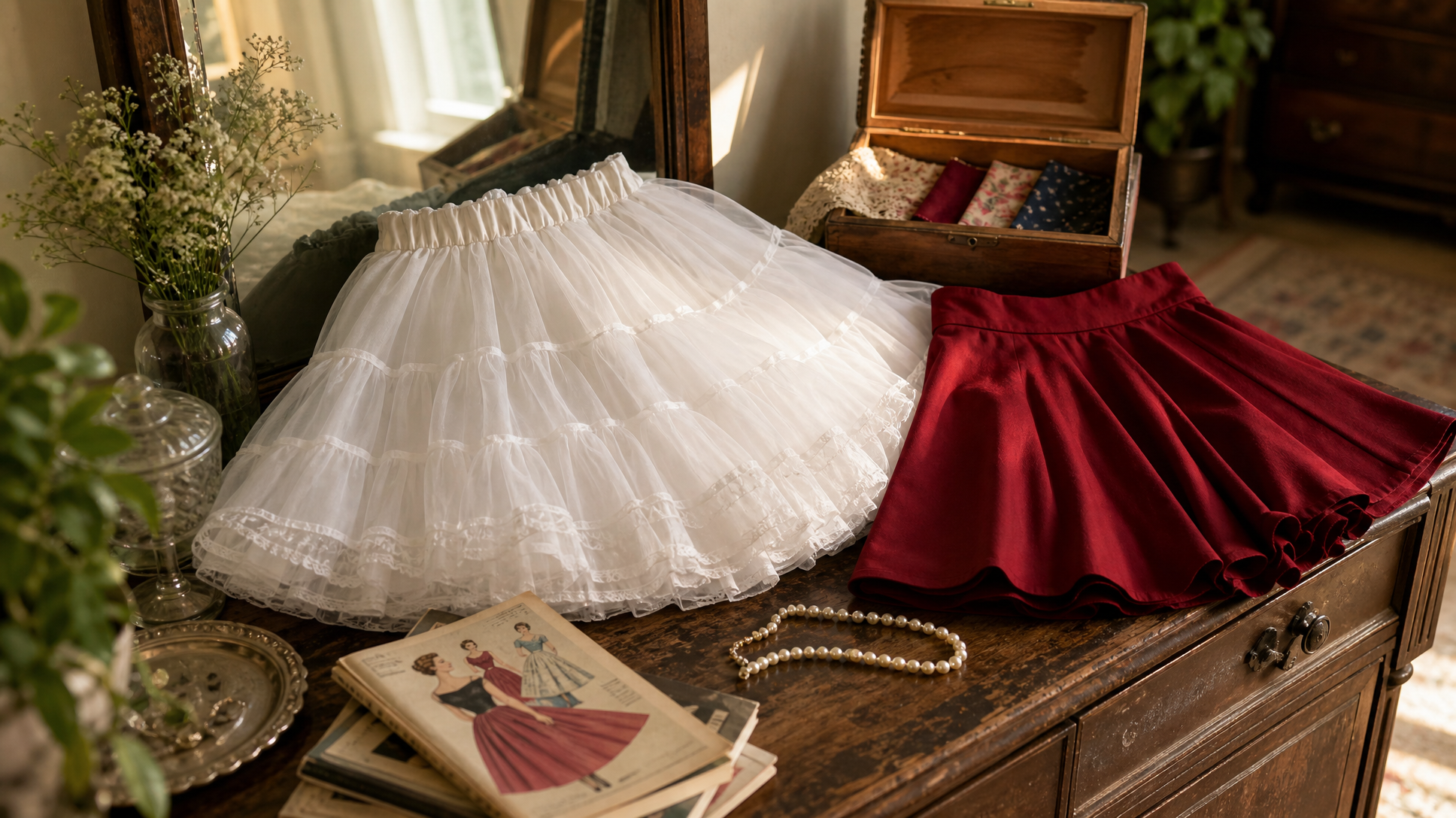
Discover how petticoats have journeyed from practical undergarments to iconic fashion essentials shaping silhouettes across centuries, blending tradition, style, and modern flair.
Petticoats trace their origins back to the 14th century when the Middle English word peticote meant “small coat.” Initially worn by both men and women as an undercoat, it evolved by the 15th century into a garment specifically worn by women beneath skirts and dresses. These early petticoats were practical, providing warmth and modesty, but over time they also became integral to shaping fashionable skirts.
By the 17th and 18th centuries, petticoats were sometimes visible under open gowns, adorned decoratively or layered to create wide bell shapes that were in vogue. Through the 19th century, their role expanded: multiple petticoats were layered to emphasize fullness, thermal insulation was enhanced by quilted versions, and the advent of hoop skirts and crinolines transformed how volume was achieved.
Understanding this evolution highlights how petticoats served dual purposes: they were not only foundation garments but also essential tools in molding the outward fashion silhouette.
For readers interested in costume history, you can explore more about the origins and variations of petticoats here: All About Petticoats: Adding Flair to Your Vintage Look.
Victorian fashion offers one of the most vivid examples of petticoats’ aesthetic roles. Before the invention of cages and hoops, women would wear multiple petticoats — sometimes up to six — to achieve the wide, rounded skirts desired in early 19th-century romantic styles. These layers added substantial weight but created the coveted bell shape.
With the bustle craze of the 1870s, petticoats adapted to new forms. Instead of fullness all around, the volume focused on the back, supporting the bustle framework. Petticoats were often ruffled or padded to enhance this rear emphasis, helping skirts drape elegantly in silhouette.
This adaptability of petticoats to different fashion trends shows their essential function as supportive underlayers that echo and reinforce outer garments’ shapes rather than having a static design.
Learn more about the Victorian bustle and crinoline era silhouette shaping here: Crinolines & Victorian Bustles.
By the 17th century, quilted petticoats became popular for their insulating qualities and ability to give skirts a rounded silhouette. Made from sturdier fabrics with wadding sewn between layers, they trapped air to provide warmth and bulk without excessive layering.
These quilted versions often were more ornamental than the outerwear itself, revealing how petticoats could serve as statements of taste and social status beyond their practical roles. Historical records even show references to “tartan quilted petticoats” indicating diverse textiles used.
For anyone costuming for cold climates or seeking a period-appropriate puff without heavy layering, a single quilted petticoat under lighter skirts can offer both comfort and authentic volume.
Further reading on quilted petticoats and historic warmth solutions is available here: Crinoline Petticoats: Elevate Your Vintage Style with Flair.
Japan’s Lolita street fashion draws direct inspiration from historical silhouettes with its signature poofy skirts. Here, petticoats function as engineered shape tools designed to create the ideal bell or A-line form. Unlike layered historical cotton petticoats, many modern Lolita enthusiasts favor elasticized or tulle petticoats that balance volume with comfortable wearability.
The debate within Lolita communities highlights flexibility—while many “rules” suggest wearing petticoats to prevent creasing and enhance prints, wearer preference, dress cut, body type, and occasion influence whether petticoats are worn at all or layered lightly. Smaller waist sizes may achieve desired volume with fewer layers, while larger sizes often require more structured petticoats.
This modern use reflects a blend of tradition and practicality, showing how petticoats still contribute to fashion identity while adapting to contemporary needs.
Detailed insights about Lolita fashion petticoats can be found here: The Timeless Elegance of Petticoats: A Comprehensive Guide.
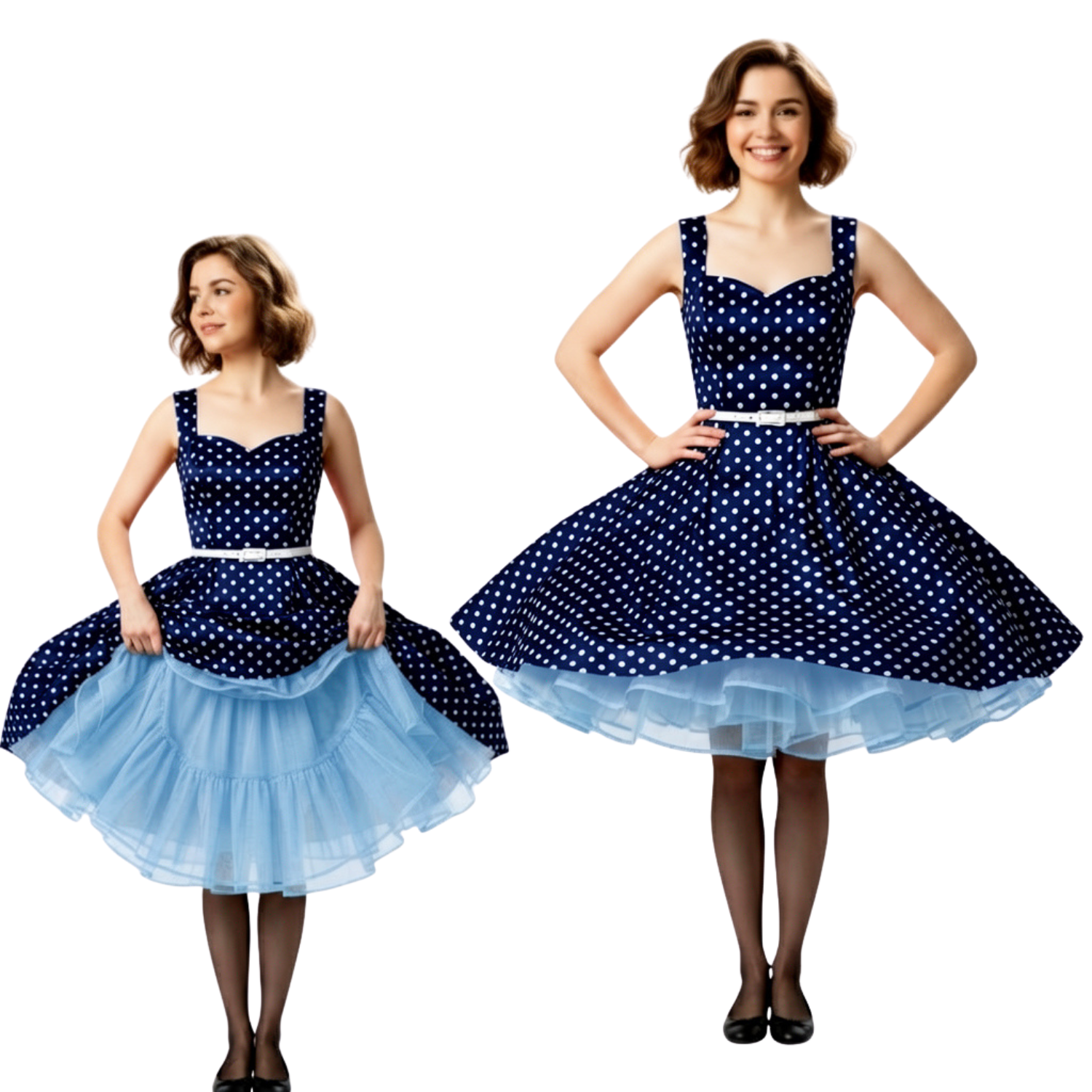
The silhouette a petticoat creates depends on:
Stiffer fabrics like tulle and organdy hold shape with fewer layers, ideal for voluminous skirts. Softer fabrics like cotton or linen require additional layering or strategic ruffles to maintain fullness.
For warmth with period appearance, medium-weight cotton or wool flannel, sometimes quilted, adds body without sacrificing breathability.
Combining layers strategically—using a stiff base layer topped with softer smoothing petticoats—creates a smooth silhouette without uncomfortable bulk, beneficial for both historical costume accuracy and modern styling.
More about silhouette shaping techniques is discussed here: The Charm and Versatility of Women's Tutu Dresses.
Achieving the perfect volume usually involves layering with a purpose:
Historically, women often wore multiple layers, sometimes four to six petticoats, before hoops diminished fabric bulk but added stiffness. Modern wearers usually find two layers sufficient: one medium-to-stiff petticoat plus a soft smoothing skirt.
Layering petticoats on a single waistband with staggered ruffle placement can distribute fullness evenly and avoid uncomfortable waistline bulk, blending authenticity with comfort.
Explore petticoat layering strategies further here: How to Choose and Style Petticoats for Every Occasion.
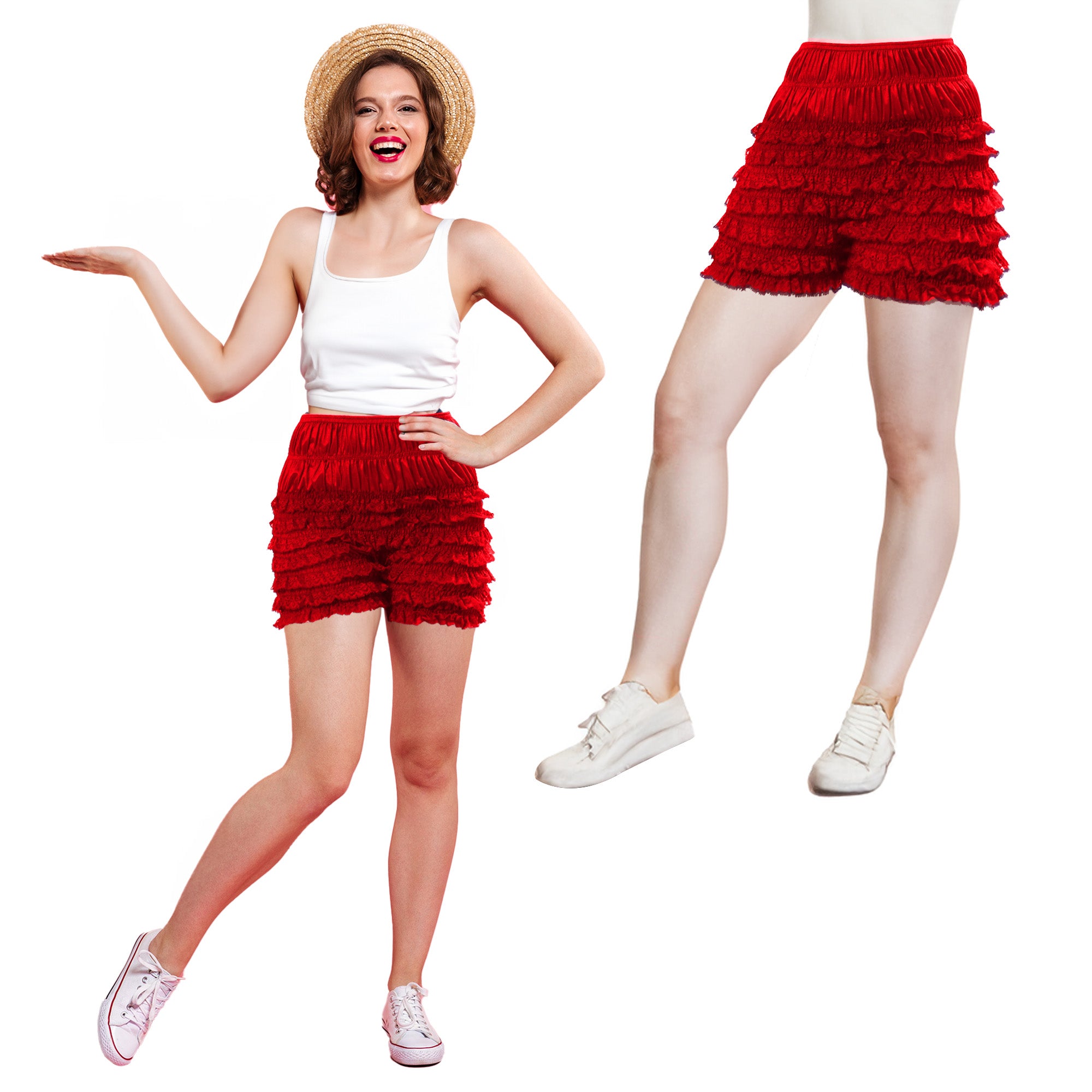
If you're looking to incorporate petticoats—whether for historical dress, Lolita fashion, or personal style—consider these practical tips:
These strategies allow both authentic and modern interpretations of petticoat use without sacrificing comfort.
Helpful guidance on tailoring petticoats and waistbands can be found here: The Timeless Elegance of Petticoats.
Beyond functionality, petticoats carry strong cultural and identity significance:
This openness enriches the conversation about petticoats as both historical artifacts and living fashion elements vital to style identity.
To read community voices on this topic, visit: The Ultimate Guide to Choosing the Perfect Petticoat or Pettipant.
Petticoats are much more than just undergarments; they are key agents in defining fashion silhouettes, blending practicality with artistry. From medieval origins through Victorian grandeur to modern street fashion, their evolution tells a story of changing styles, technologies, and social attitudes.
Whether you're a historical costumer aiming for period accuracy, a Lolita fashion enthusiast crafting the perfect poof, or someone simply interested in exploring silhouette shaping garments, understanding petticoats’ history and function empowers you to make informed, creative wardrobe choices.
Embrace the petticoat—its volume, warmth, and charm—and let it inspire your fashion journey with a mix of tradition and personal expression.