Cart
0
You may also like
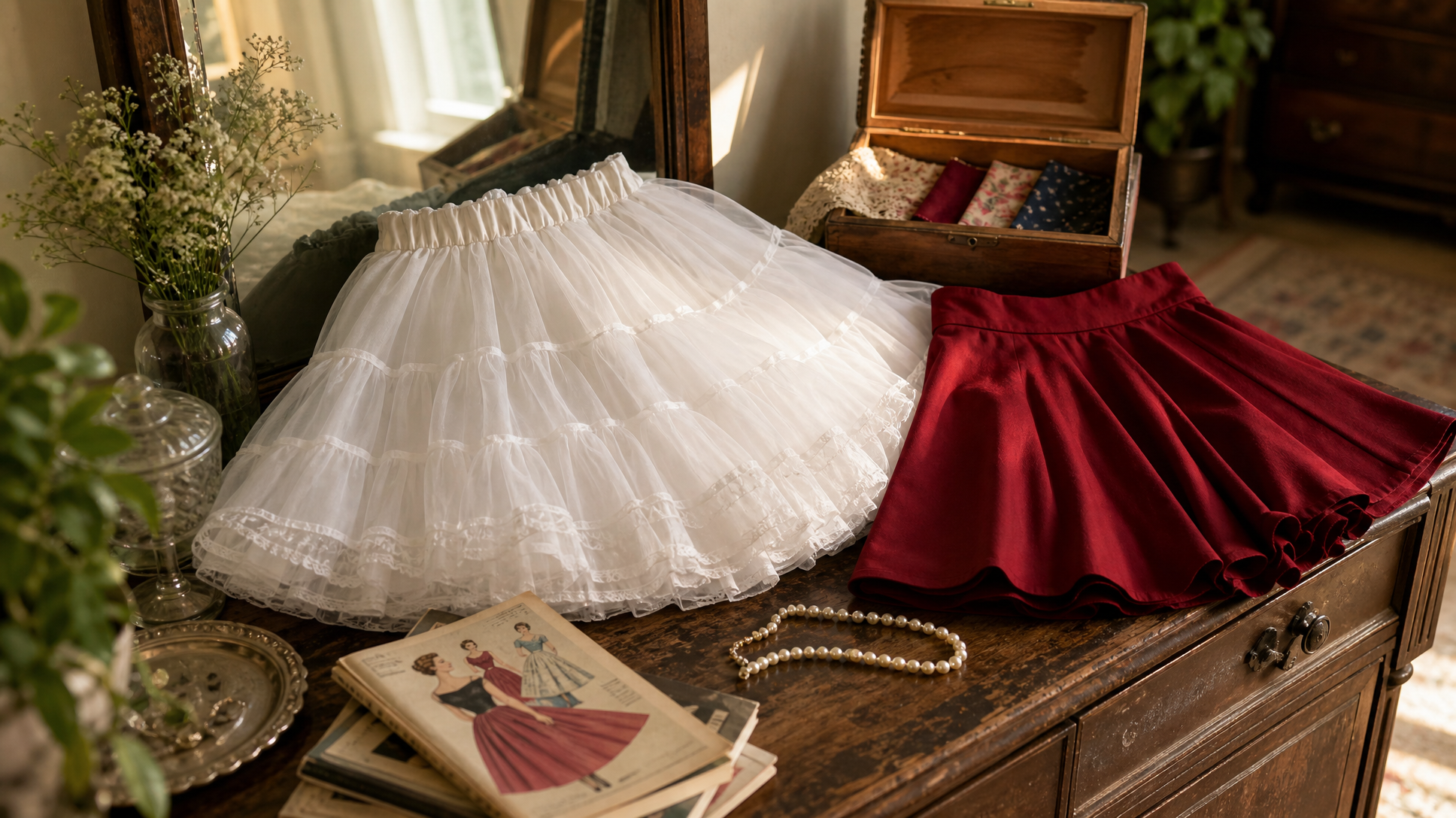
Vintage clothing in 2025 is redefining sustainable fashion by embracing timeless style, environmental responsibility, and rich cultural storytelling. Explore how vintage pieces offer a unique blend of authenticity and eco-consciousness that’s reshaping wardrobes and the future of fashion.
Vintage clothing refers to garments crafted between 30 to 100 years ago, recognized for authentic style and craftsmanship that reflect specific historical eras. These pieces differ from antiques and modern retro reproductions as they carry true stories in every stitch.
This authentic connection creates a wearable story, letting vintage fashion serve as personal expression and cultural homage. Learn more about vintage definitions.
Originating from wartime fabric shortages requiring garment mending and reuse, vintage evolved into a cultural staple. Post-WWII eras blended vintage with modern styles, and media such as Mad Men reignited its popularity in the 21st century. Celebrities further boosted its comeback, influencing mainstream fashion.
Explore vintage fashion history.
Vintage fashion carries deep emotional resonance, linking wearers to memories, family traditions, and iconic eras. It celebrates craftsmanship and bridges generations by telling personal and cultural stories.
Read more on vintage’s emotional appeal.
Driven by TV shows like Stranger Things, celebrity endorsements, and social media, vintage clothing is celebrated for promoting individuality and sustainability. Consumers enthusiastically blend retro vibes with current fashion.
Discover 2025 vintage fashion trends.
In contrast to fast fashion’s environmental and ethical challenges, vintage supports slow fashion by extending garment life, promoting reuse, reducing emissions, conserving water, and upholding fair labor. Every vintage purchase actively fights pollution and waste.
Explore fashion sustainability impacts.
The fashion industry creates 10% of global greenhouse gases and enormous textile waste. Vintage fashion offers solutions by eliminating water use of new garment production, saving thousands of gallons for items like denim, and preventing massive landfill waste.
Read environmental stats on fashion.
Shopping vintage demands knowledge about sizing, fabric care, and era styles. Top sources include curated boutiques, thrift stores, vetted online marketplaces, and specialty fairs. Many sellers offer garment refreshing and fixes for perfect style and fit.
Explore vintage shopping tips.
Outstanding craftsmanship sets vintage apart, with hand-stitched seams, natural durable materials, timeless designs, and high-quality finishes, making these garments long-lasting wardrobe staples.
Learn about vintage craftsmanship.
2025 styling mixes retro ‘60s–‘90s elements like bell bottoms with modern fabrics and ethnic fusions, using bold colors, pattern mixing, and upcycling to create fresh, sustainable, and unique wardrobes.
Vintage shopping offers alternatives to fast fashion exploitation by supporting local artisans, promoting small-scale operations, personalized service, and ethical labor standards, aligning with demands for responsibility and transparency.
Vintage influences fashion pioneers toward sustainable lines, textile recycling, integrating vintage designs in new collections, and extending garment life to realize circular economy goals by 2030.
Explore future fashion sustainability.
Vintage clothing offers a meaningful path to environmental stewardship, creative expression, and cultural connection. Wearing vintage means choosing quality, reducing carbon footprints, supporting ethical labor, celebrating heritage, and blending history with modern innovation.
Join the global movement valuing fashion and the planet by incorporating vintage into your 2025 wardrobe.