Cart
0
You may also like
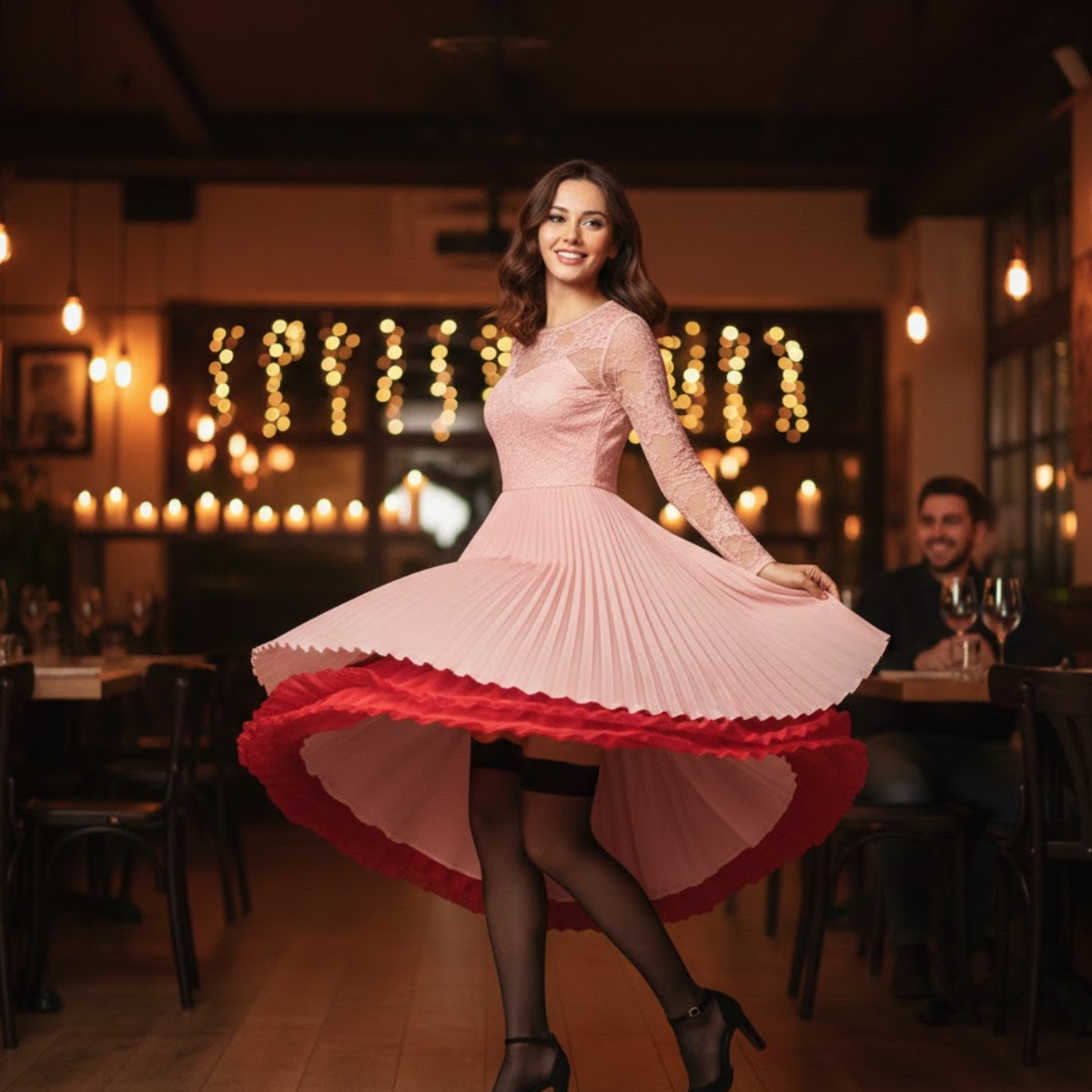
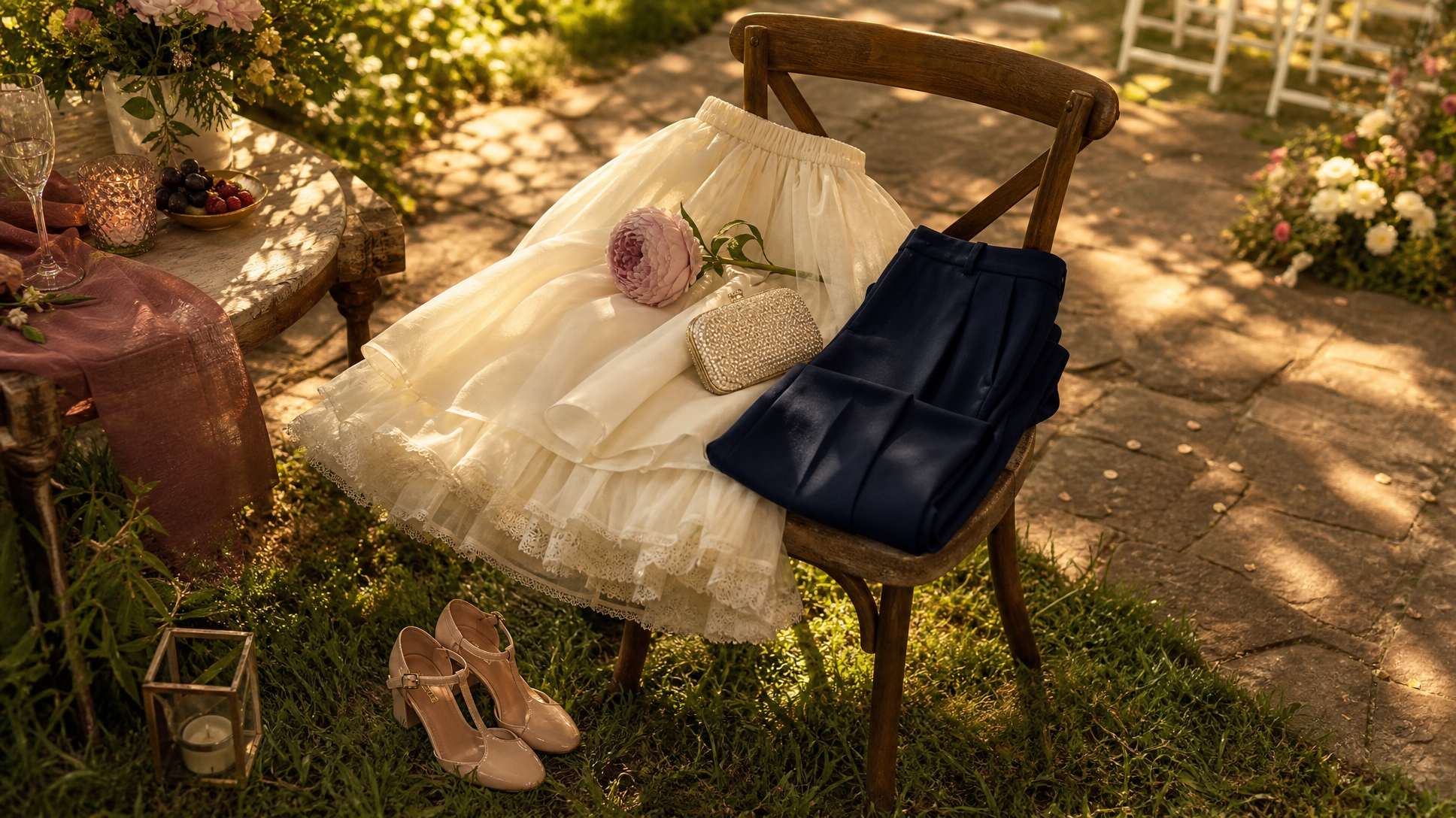
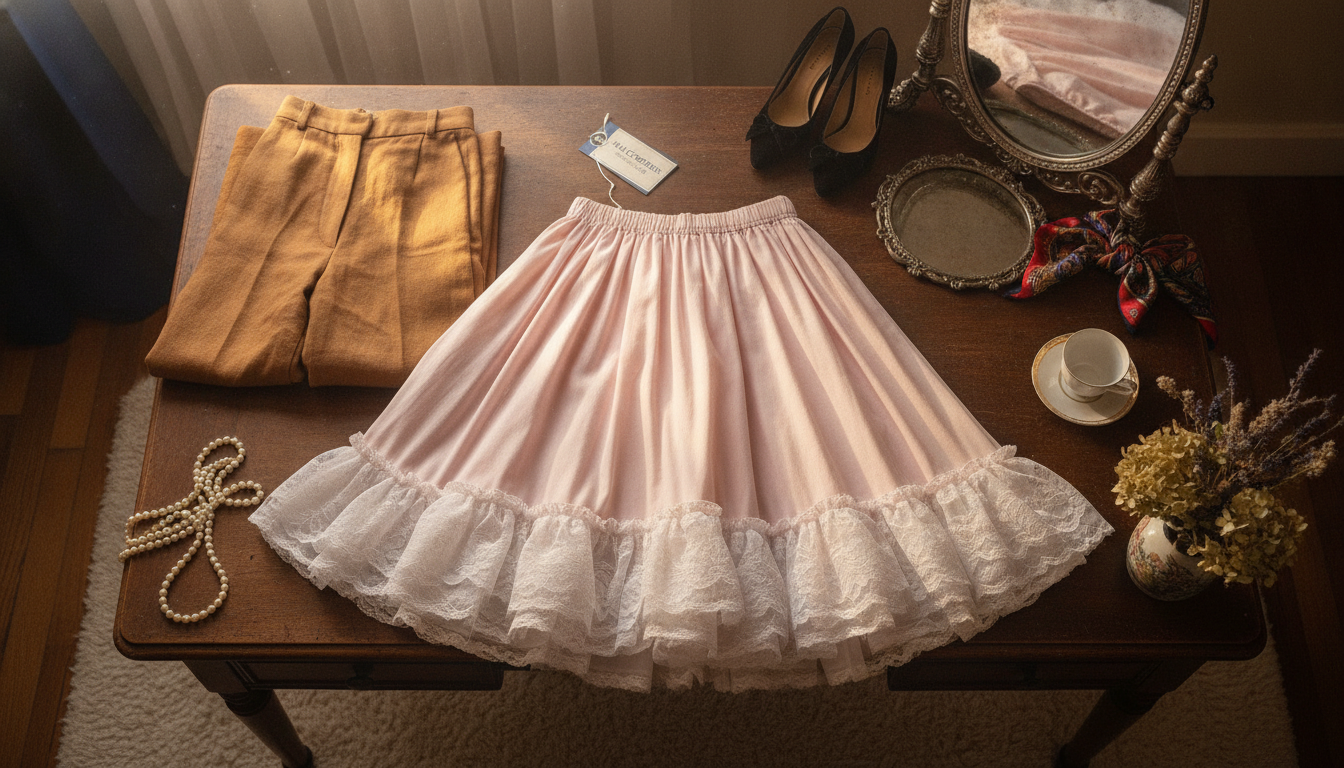
The petticoat is a remarkable garment, rich with history and full of versatility. From its origins in the Middle Ages as a small coat worn for warmth to its role in shaping fashion silhouettes and modesty across centuries, the petticoat continues to fascinate and find relevance today. In this detailed guide, we'll explore the fascinating history of the petticoat, its key functions, cultural significance, and its place in contemporary fashion. Whether you're curious about historical dress, costume design, or styling tips, we'll cover the full scoop on this enduring garment that adds volume, shape, and flair to skirts and dresses.
Key takeaways:
The petticoat’s story begins in the late 14th century. Originally known as a "pety cote" or "small coat," it was first used as a padded undergarment for men’s armor before becoming a staple underlayer for women’s gowns by the mid-15th century. Back then, it served both practical and aesthetic purposes—providing warmth as well as modesty and shaping the silhouette beneath dresses.
Throughout the 16th to 18th centuries, petticoats were often visible and elaborately decorated. Ladies would wear layered petticoats, sometimes richly embroidered or quilted, under open-front gowns like the elegant robes à la française popular in the 1700s. These petticoats were not just practical; they were a status symbol reflecting wealth and style.
The 17th-century fashion scene saw petticoats becoming essential for creating volume, sometimes layering up to eight or ten petticoats at once. The fading of farthingales (hoop skirts stiffened with reeds) gave way to fuller, flowing skirts shaped by multiple petticoats.
By the Victorian era, petticoats had advanced significantly. The 19th century introduced the crinoline, a stiffened fabric or cage framework that allowed skirts to achieve a dramatic bell shape without excessive weight. Early horsehair-linen crinolines gave way to steel hoop designs, revolutionizing how volume was supported. Later innovations like the bustle shifted fullness towards the back, changing the skirt's silhouette entirely.
The petticoat’s evolution mirrors broader social and cultural shifts, from modesty and warmth to status display and fashion innovation.
Learn more about its fascinating origins and development here: The Timeless Elegance of Petticoats: A Comprehensive Guide.
Petticoats serve several important functions in fashion, many of which remain relevant today:
The choice of materials directly impacts these functions. Natural fibers like cotton lend breathability and softness for everyday comfort, while tulle and netting create lightweight volume essential for dancewear and bridal gowns. For luxury garments, silk and satin offer smooth elegance. Durable synthetics such as nylon or polyester blends make sense for commercial and costume use, balancing cost and appearance.
Explore more about petticoat functionality and materials: What Is a Petticoat? Uses, Types, and Materials Explained.
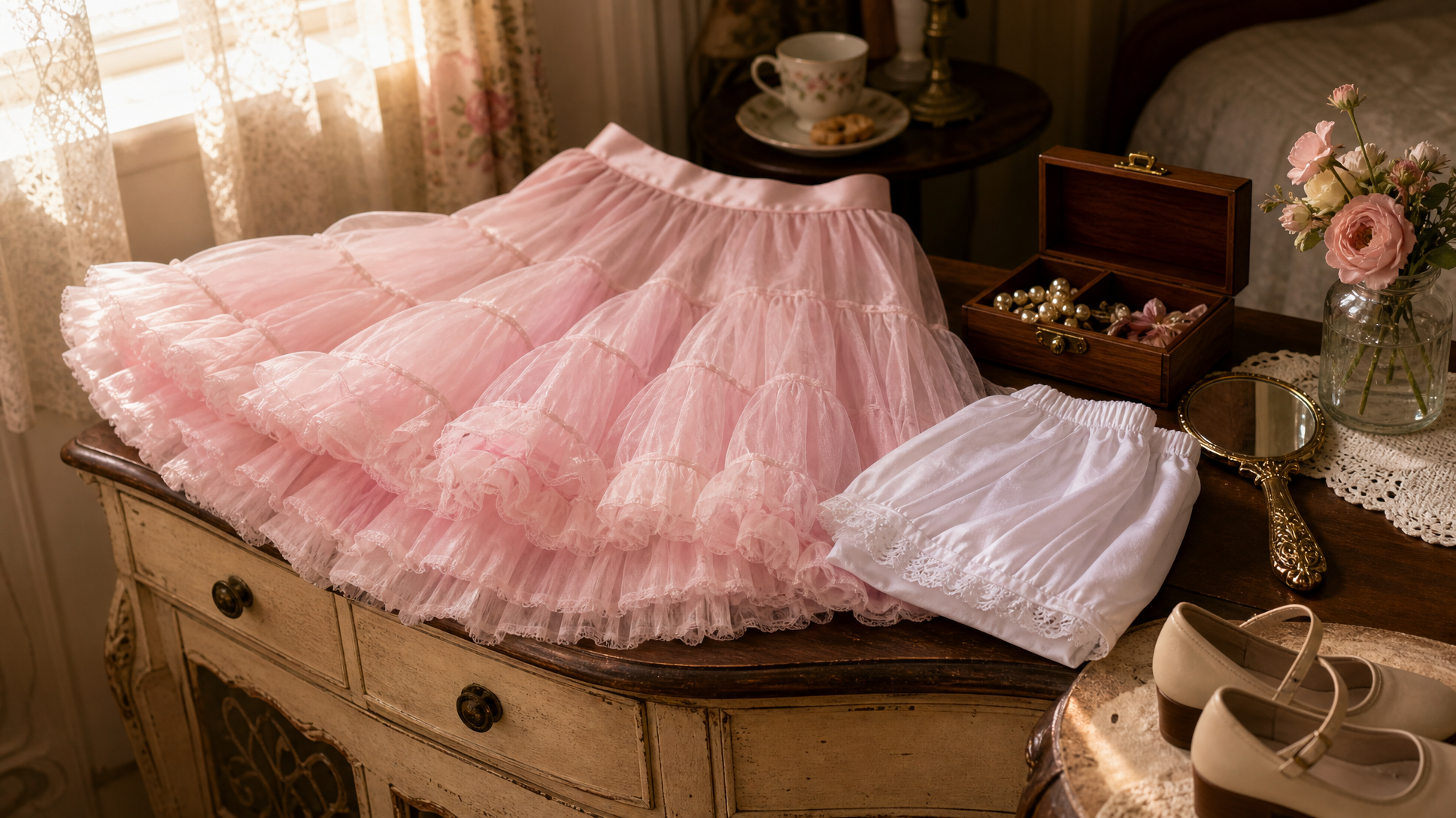
Over time, diverse petticoat styles have emerged to suit different fashion needs:
The fabrics span cotton, silk, nylon blends, tulle, and netting, chosen depending on the desired look and function. For example, bridal petticoats often favor tulle or nylon for lightness and shape, while vintage reproductions may use heavier cotton blends to mimic historic styles.
If you are interested in costume-making or fashion styling, knowing the right type of petticoat helps achieve the perfect silhouette. Historically inspired or modern, the right petticoat can transform any outfit.
For a deeper dive into petticoat types and uses: Types of Petticoats: Choosing the Perfect Layer for Your Dress.
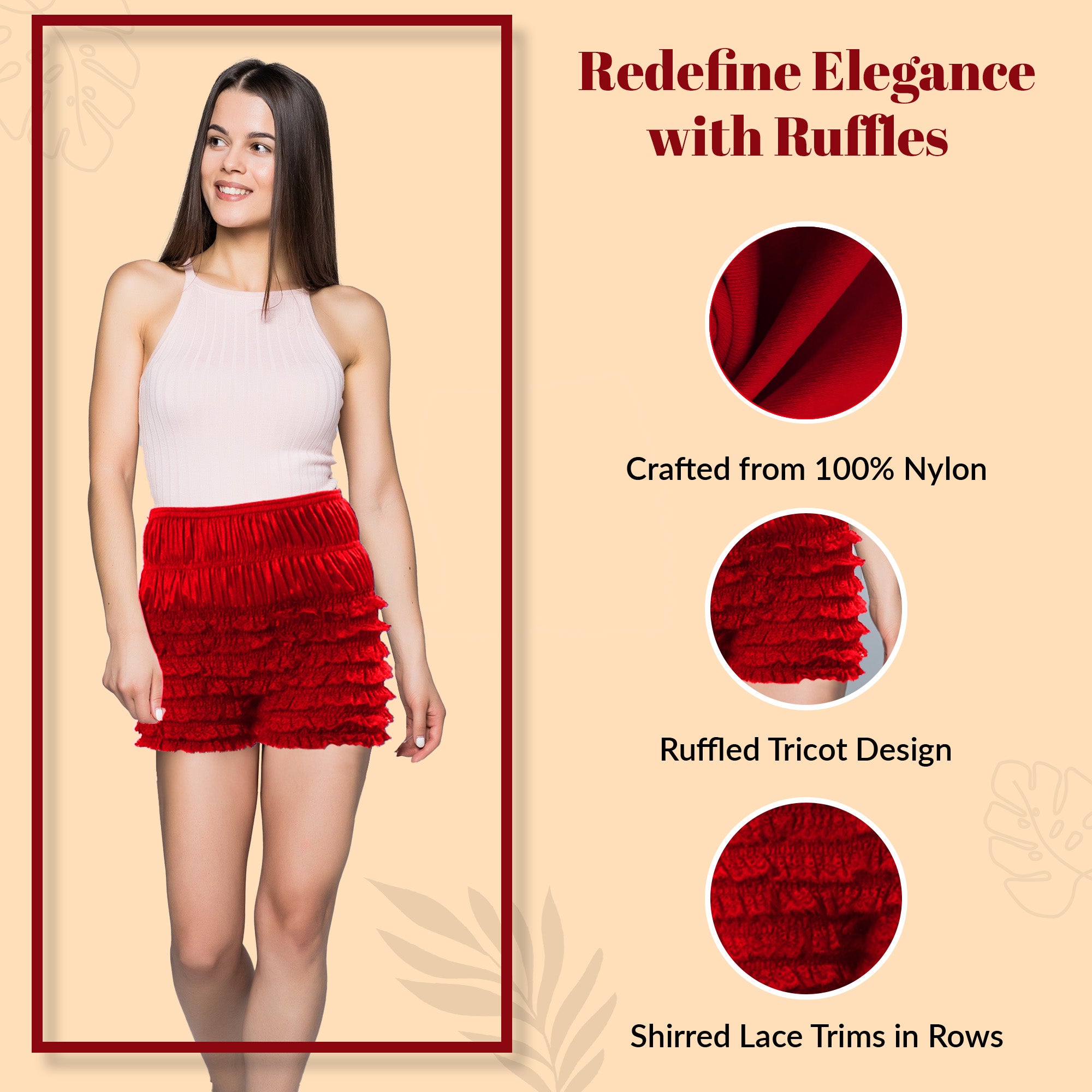
Malco Modes Lace Ruffle Red Shorts – a modern fashion piece inspired by delicate layering concepts similar to petticoats.
Beyond their fashion function, petticoats carry rich cultural symbolism. In Western history, visible petticoats often signified social status and gender roles, a reflection of how clothing shaped and constrained identity. The phrase "petticoat government," for example, historically referred to female authority or influence — sometimes admiringly and sometimes critically.
Globally, the concept of an underskirt or petticoat extends beyond Western culture. In South Asia, ankle-length petticoats are key parts of traditional outfits like lehengas and ghagras, providing volume and color under overlays, especially for bridal wear and dance. The Japanese nagajuban, a modesty undergarment worn under kimonos, parallels the petticoat’s modesty function though not typically contributing volume.
These global variations reveal how the petticoat’s core functions — shaping, modesty, and warmth — translate across cultures, adapted uniquely to local customs and aesthetics.
Learn about non-Western equivalents and cultural roles here: Pettipants: The Unsung Hero of Women's Lingerie.
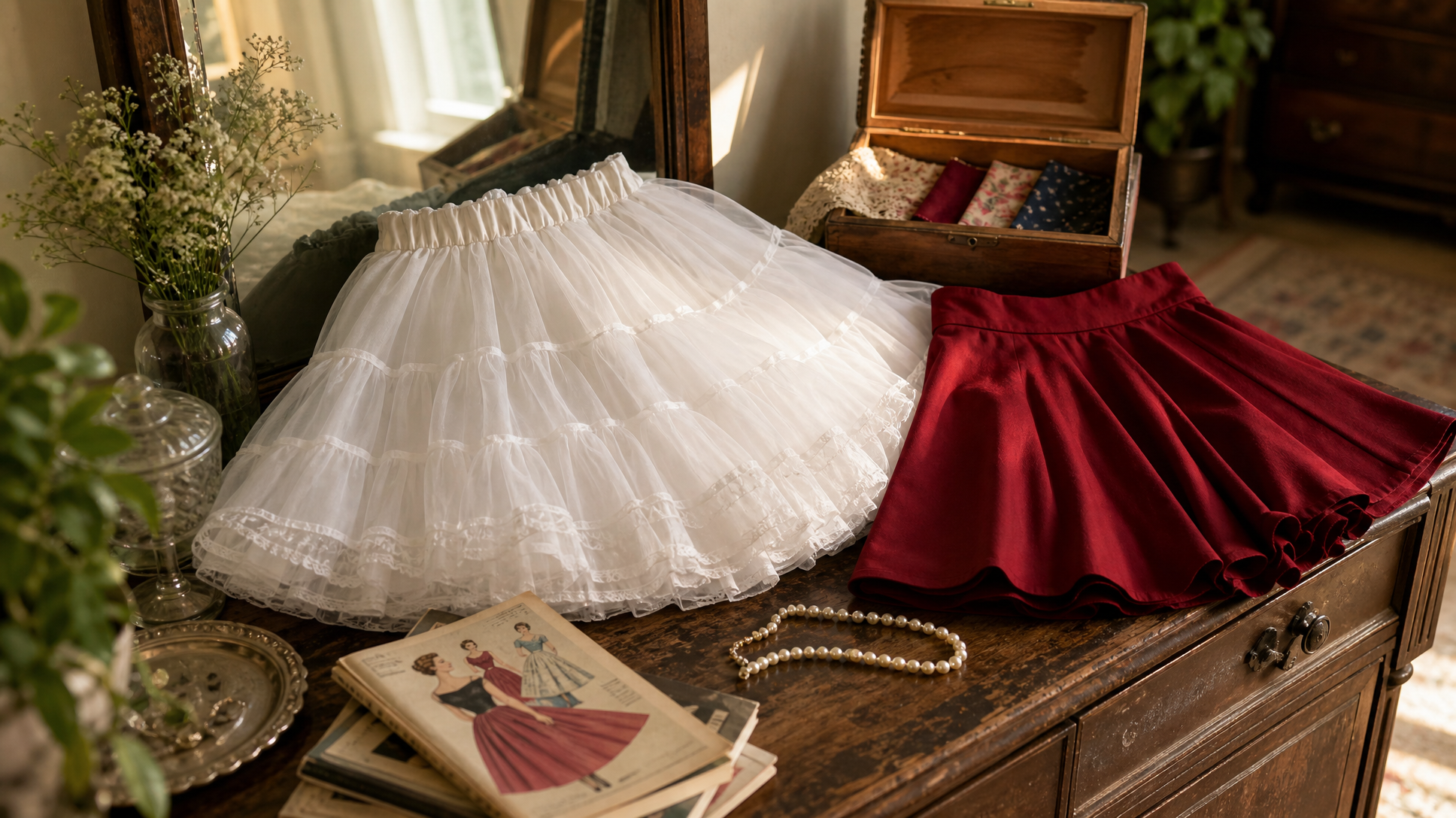
The petticoat experienced a major resurgence in the mid-20th century with designers like Christian Dior, whose “New Look” popularized full skirts requiring voluminous underlayers. This revival cemented the petticoat’s place in modern fashion, especially for bridal wear, vintage styling, and performance costumes.
Today, petticoats remain popular in:
The market reflects evolving demands with sustainable synthetics and customizable options, responding to consumer interest driven by social media and period dramas.
For insight into modern trends and designers embracing the petticoat: Crinoline Petticoats: Elevating Your Style with Volume.
The humble petticoat is far more than just an undergarment. It’s a garment with centuries of history, deep cultural resonance, and practical versatility. From its medieval padded origins to modern bridal and dancewear, the petticoat shapes more than fabric—it shapes fashion narratives and identity.
Understanding the petticoat’s evolution, functions, and styles enriches how we appreciate clothing’s role in comfort, beauty, and social meaning. Whether you’re styling a historic costume, crafting a vintage look, or adding subtle volume to a modern skirt, the petticoat offers endless possibilities.
"At Vizari, we admire innovation and heritage alike—just as athletes find the perfect gear to perform their best, fashion enthusiasts and creators can find inspiration in the petticoat’s enduring legacy. Game on always to style and comfort with purpose!"
Primarily, a petticoat adds volume and shapes the silhouette of skirts and dresses while also providing modesty, warmth, and comfort.
It evolved from a simple padded underlayer in medieval times to elaborate visible garments signifying status, then to structured shapes with crinolines and bustles in Victorian fashion, and now to versatile modern styles for bridal, dance, and fashion wear.
Materials include cotton, silk, tulle, nylon blends, netting, and synthetics chosen based on the desired look, comfort, and function.
Yes, underskirts and petticoat-like garments appear worldwide, such as the ankle-length petticoats in South Asian lehengas, emphasizing modesty and volume, and Japan’s nagajuban for modesty under kimonos.
Quality petticoats can be found at specialty costume suppliers, bridal stores, and online retailers focusing on vintage or modern fashion layering.
For a great selection of layered and stylish garments inspired by the elegance of petticoats, check out the Malco Modes collection.