index

The Art of Vintage Fashion: Mastering Vintage Layering, Styling, and Sewing for a Timeless Wardrobe

Vintage fashion is more than just clothes from the past — it’s a form of storytelling and a way to express your unique personal style. Wearing vintage pieces lets you connect with history while standing out in today’s fashion world. Whether you want to mix a 1960s skirt with an 80s top or learn how to sew vintage patterns for a modern twist, this guide explores every aspect of vintage fashion to help you build a chic, sustainable wardrobe.

In this article, you’ll discover expert tips on vintage layering, blending eras, choosing flattering vintage silhouettes, sewing vintage garments, and shopping smartly. Dive in and learn how to embrace vintage fashion with confidence, creativity, and style.

Key Takeaways

  • Vintage fashion is a sustainable, unique way to express your personal style.
  • Mixing vintage with modern pieces creates fresh, versatile looks.
  • Master vintage layering techniques to adapt clothes for every season.
  • Choose iconic vintage silhouettes that flatter your body shape.
  • Care for vintage garments properly to extend their life.
  • Sew vintage patterns to personalize and update classic styles.
  • Shop smartly to find authentic, quality vintage treasures.

Table of Contents

1. Embracing Vintage Fashion as a Unique Storytelling Experience

Vintage fashion turns everyday outfits into canvases of history and personal narrative. Each piece carries stories from the past, giving your look depth and emotional connection. Instead of following fleeting trends, vintage allows you to showcase timeless style with authenticity.

Why Vintage Is More Than a Trend:

  • Historical significance adds meaning and character.
  • Emotional connection to eras that inspire.
  • Unique pieces that no one else wears.
  • Sustainable choice that values reuse and quality.

By treating vintage clothing as wearable stories, you create a look that is both personal and sustainable — a style that reflects who you are beyond fashion trends.

For more details on vintage storytelling, see: myvintage.uk

2. How to Mix Vintage and Modern Styles Seamlessly

Mixing vintage with modern pieces is the key to avoiding a costumey look while maximizing outfit versatility. The art lies in blending colors, textures, and shapes from different decades to create a harmonious and fresh look.

Practical Tips for Mixing Eras:

  • Combine vintage pieces from different decades (e.g., 60s skirt with 80s top).
  • Layer vintage accessories like scarves or jewelry over modern clothes.
  • Use a bold vintage blouse with contemporary jeans or a tailored blazer.
  • Balance colors and materials for cohesion; mix lace with denim or chunky knitwear with silk.
  • Keep one vintage detail subtle to maintain modern wearability.

Example combinations:

  • High-waisted 80s jeans paired with a 70s floral blouse.
  • A pastel 80s top worn with a 60s skirt and a modern leather jacket.

This approach lets you celebrate vintage fashion’s diversity while still fitting into today’s wardrobes.

Learn more about era mixing at myvintage.uk

3. Vintage Layering Techniques for Every Season

Layering vintage clothing enhances style and comfort, adapting beautifully to seasonal changes. The goal is to combine base layers with textured contrasts and varied lengths, tied together with accessories for a crafted look.

Layering Essentials:

  • Base Layers: Well-fitted, comfortable vintage pieces that act as your outfit foundation.
  • Textures: Mix lace, denim, knits, or silk for interest.
  • Length Variety: Combine cropped jackets over maxi dresses or long skirts.
  • Accessories: Scarves, belts, hats, and statement jewelry add personality and pull layers together.

Seasonal Layering Examples:

  • Spring/Summer: Vintage sundress over a tee or lightweight blouse layered with a denim jacket.
  • Autumn/Winter: Oversized coats, bulky scarves, vintage vests, and textured knitwear over classic blouses or dresses.

Seasonal adaptability makes vintage fashion wearable year-round, blending comfort with timeless style.

Explore seasonal layering at myvintage.uk
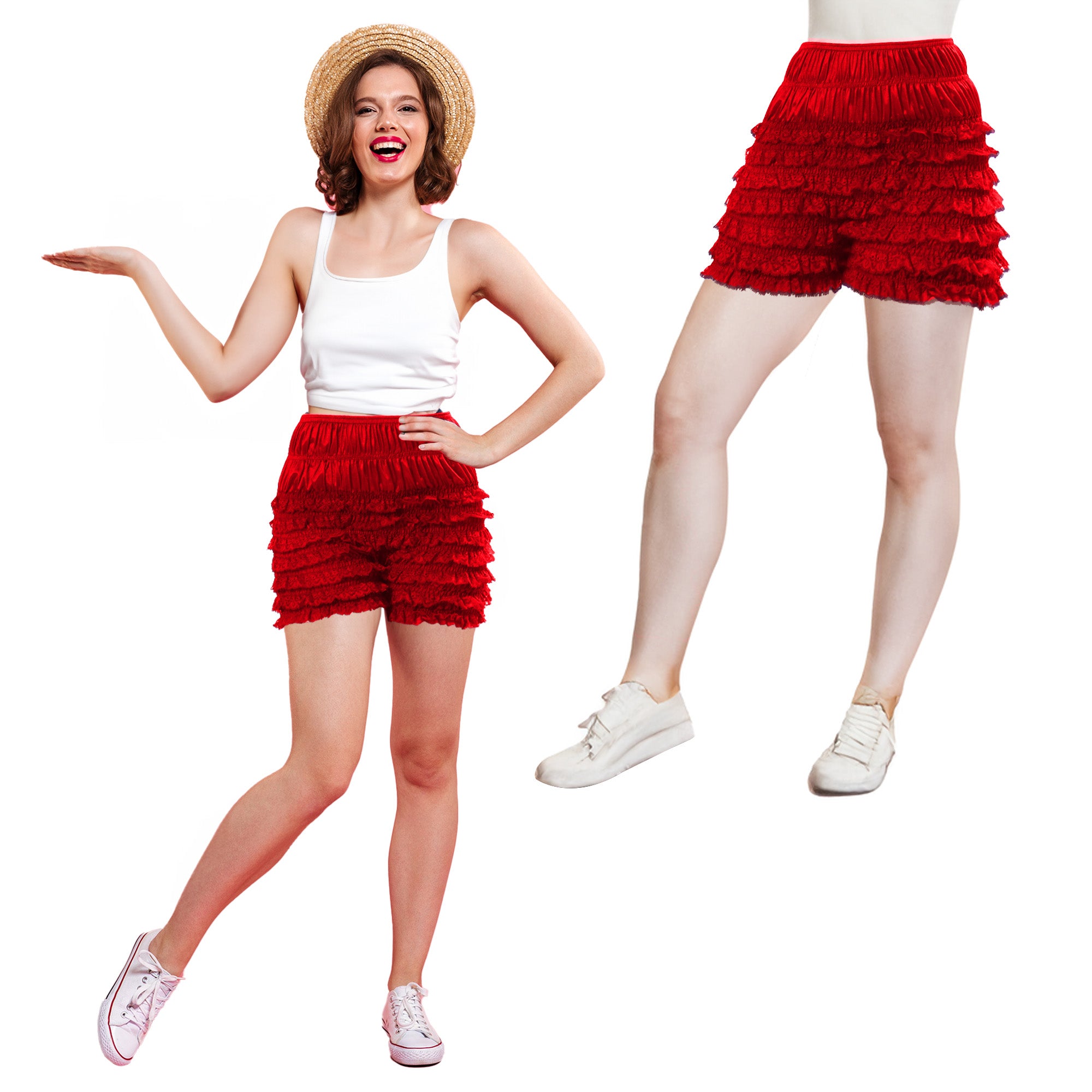
Vintage Inspired Fashion Piece

4. Choosing Iconic Vintage Silhouettes to Flatter Your Shape

Understanding vintage silhouettes shapes how well vintage pieces fit and flatter your body. Classic shapes from different eras bring structure and style that can be modernized for today’s look.

Timeless Vintage Silhouettes:

  • Empire Waist (Regency Era): High waistline that elongates legs. Pair with minimal modern accessories and airy fabrics.
  • Hourglass (Romantic Era): Defined waist with fuller skirts. Style with slim jeans for a balanced look.
  • Shift Dress (1960s Mod): Loose, streamlined shape. Layer with clean-lined modern cardigans.
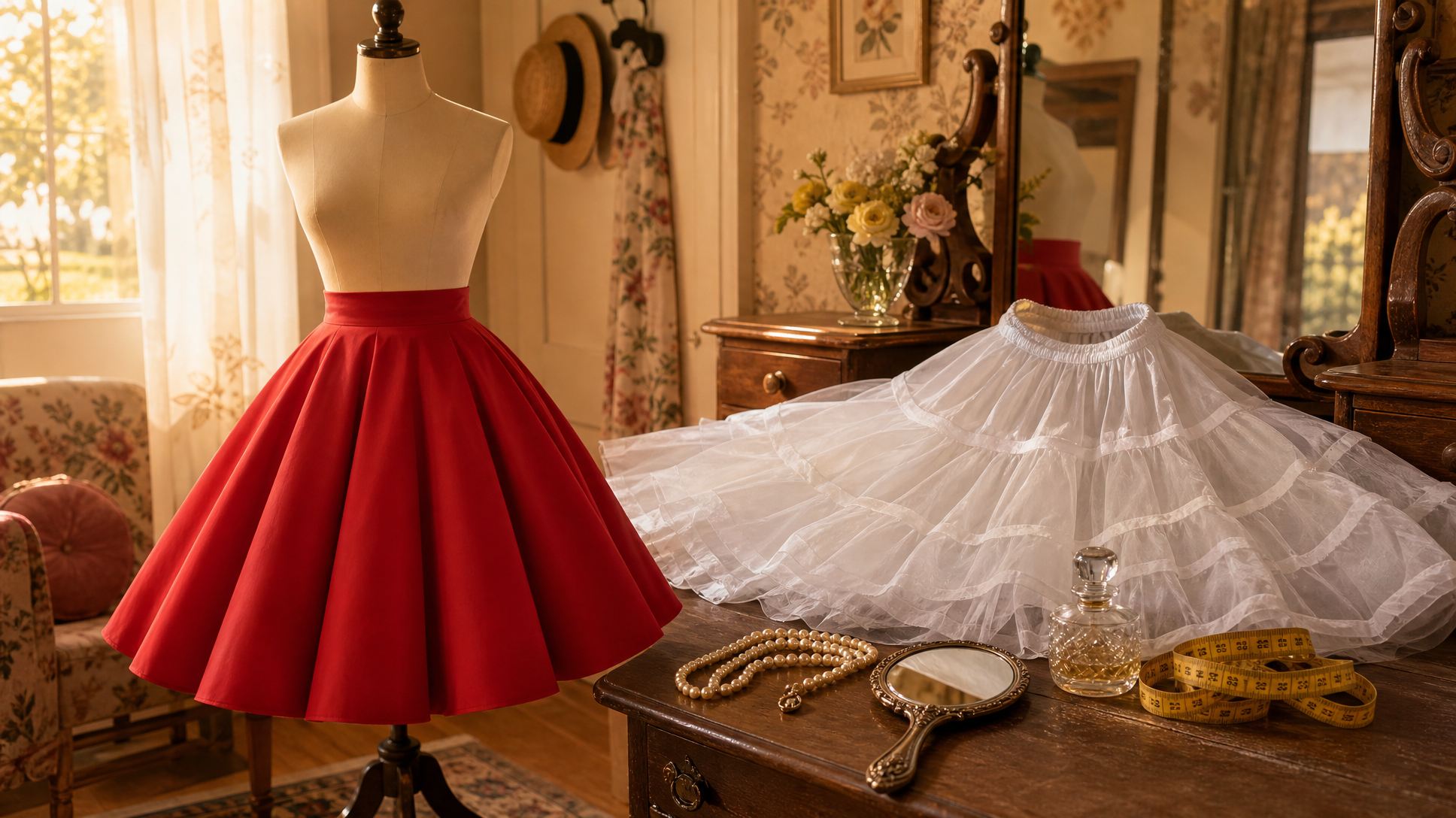
  • A-Line (1940s Wartime): Fitted top with flared skirt. Pair with casual trench coats and shirts.
  • Bias Cut (1930s Glamour): Draped fabric falling on the bias. Update with modern slits or statement jewelry.

Knowing these shapes helps you layer and style with confidence, blending vintage charm with contemporary sensibility.

For era-specific silhouettes, visit the Ultimate Guide to Vintage Dresses for Prom

5. Curating and Caring for Your Vintage Collection

Building a vintage wardrobe requires strategy and care to ensure longevity and versatility.

Tips for Curating Your Vintage Wardrobe:

  • Be intentional: Choose pieces that resonate personally and mix well with your existing wardrobe.
  • Versatility: Pick items that can create multiple outfit combinations (aim for three or more outfits per piece).
  • Quality over quantity: Focus on well-made garments that last.

Caring for Vintage Garments:

  • Follow care labels and instructions carefully.
  • Avoid direct sunlight to prevent fading.
  • Store garments in breathable garment bags or boxes.
  • Repair small damages promptly to preserve piece integrity.

Proper care extends the life and beauty of vintage items, protecting your investment and the environment.

Learn more about vintage care at myvintage.uk

6. Sewing Vintage Patterns: Creativity Meets Tradition

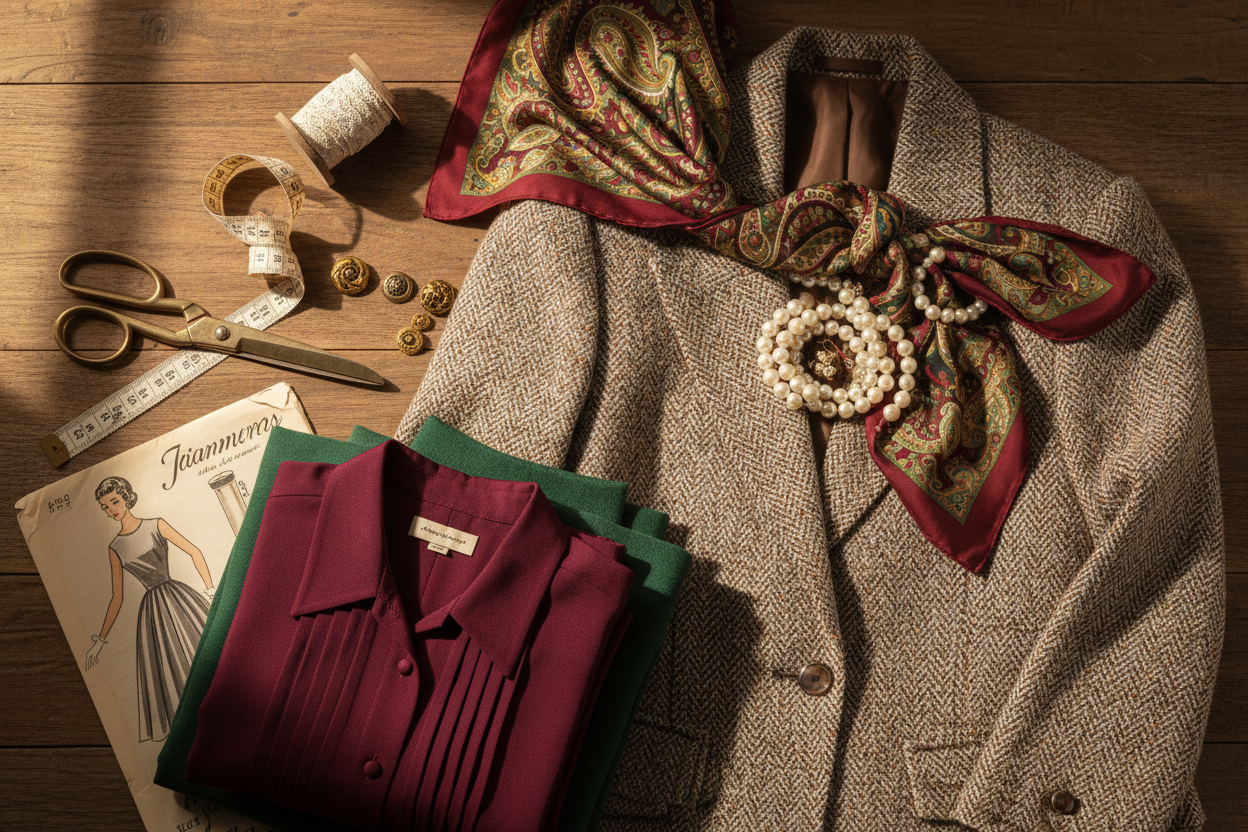
Sewing vintage garments offers a rewarding way to personalize and update classic styles. Use vintage patterns or adapt modern ones with vintage fabrics to create unique outfits.

Creative Sewing Approaches:

  • Incorporate a single vintage detail, like a collar or trim, into modern sewing projects.
  • Use vintage fashion books or Pinterest for inspiration on details and styling.
  • Experiment with niche vintage areas like tailoring, menswear cuts, or appliqué.
  • Use modern fabrics with vintage patterns for comfort and wearability.

Remember the “rule of three”: Aim to create or modify pieces that can be styled in at least three different ways to maximize versatility.

Sewists find this blend of history and innovation exciting and fulfilling.

For sewing ideas and patterns, listen to Seamwork Podcast transcripts on vintage fashion.

7. Overcoming Common Challenges in Wearing Vintage

Wearing vintage comes with challenges, but knowing how to manage them helps you wear vintage confidently.

Common Issues and Solutions:

  • Avoid the costume look by blending vintage with modern basics. Keep vintage accessories subtle.
  • Fit concerns: Many vintage garments were tailored for different body shapes or sizes. Alter garments for modern comfort or choose vintage-inspired modern replicas.
  • Accessibility: Authentic vintage can be rare. Explore thrift stores, online boutiques, and flea markets for hidden gems.
  • Lifestyle suitability: Mix vintage basics with more practical modern pieces to stay comfortable and functional.

Educating yourself on fashion history and techniques opens the door to smarter choices and creative styling.

8. Smart Vintage Shopping: Where and How to Find Treasures

Finding genuine vintage garments is a treasure hunt. Here’s where to look and what to consider:

Best Places to Shop Vintage:

  • Thrift stores and charity shops offer varied, budget-friendly options.
  • Flea markets and vintage fairs provide curated vintage goods.
  • Online vintage boutiques and platforms offer convenience and a wider range.
  • Estate sales can uncover rare, high-quality pieces.

Shopping Tips:

  • Inspect garments carefully for damage or alterations.
  • Try items on or check measurements against your body.
  • Research the eras and designers for authenticity.
  • Be patient and persistent — the perfect vintage find takes time.

Smart shopping ensures your vintage wardrobe is authentic, stylish, and built to last.

Check current vintage shops and fairs at myvintage.uk

9. Conclusion: Your Path to Timeless Vintage Fashion

Vintage fashion is a powerful way to express individuality, celebrate history, and promote sustainability. By mastering vintage layering, mixing eras thoughtfully, understanding iconic silhouettes, caring for your collection, and sewing creatively, you build a wardrobe full of stories and style that stand the test of time.

Embrace vintage with confidence and creativity. Mix it, layer it, sew it, and most importantly, make it your own. Your timeless vintage wardrobe awaits!

\"By following these expert tips and insights, you’ll be well on your way to mastering the art of vintage fashion. Whether you are a seasoned vintage lover or just starting out, the charm and beauty of vintage clothing will enrich your style and life.\"