Petticoats blend classic charm and modern versatility, enabling stylish volume and shape across historical and contemporary outfits. Learn how to wear them tastefully and construct a multi-use piece that adapts with style and ease.
Key Takeaways
Choose neutral colors and modern pairings to avoid clichés and wear petticoats stylishly.
A drawstring waist and detachable snap-taped ruffles create a versatile silhouette adaptable to various historical periods.
Use A-line hem shapes with cording at the hem for volume and easier sewing.
Modern alternatives like bridal hoops offer practical volume without complex sewing.
Multi-use petticoats reduce wardrobe bulk and increase creative styling options for events or cosplay.
1. Understanding Petticoats: Styling Without Stereotypes
Petticoats don’t have to be old-fashioned, frilly, or cliché. They can be a tasteful, confident addition to your wardrobe.
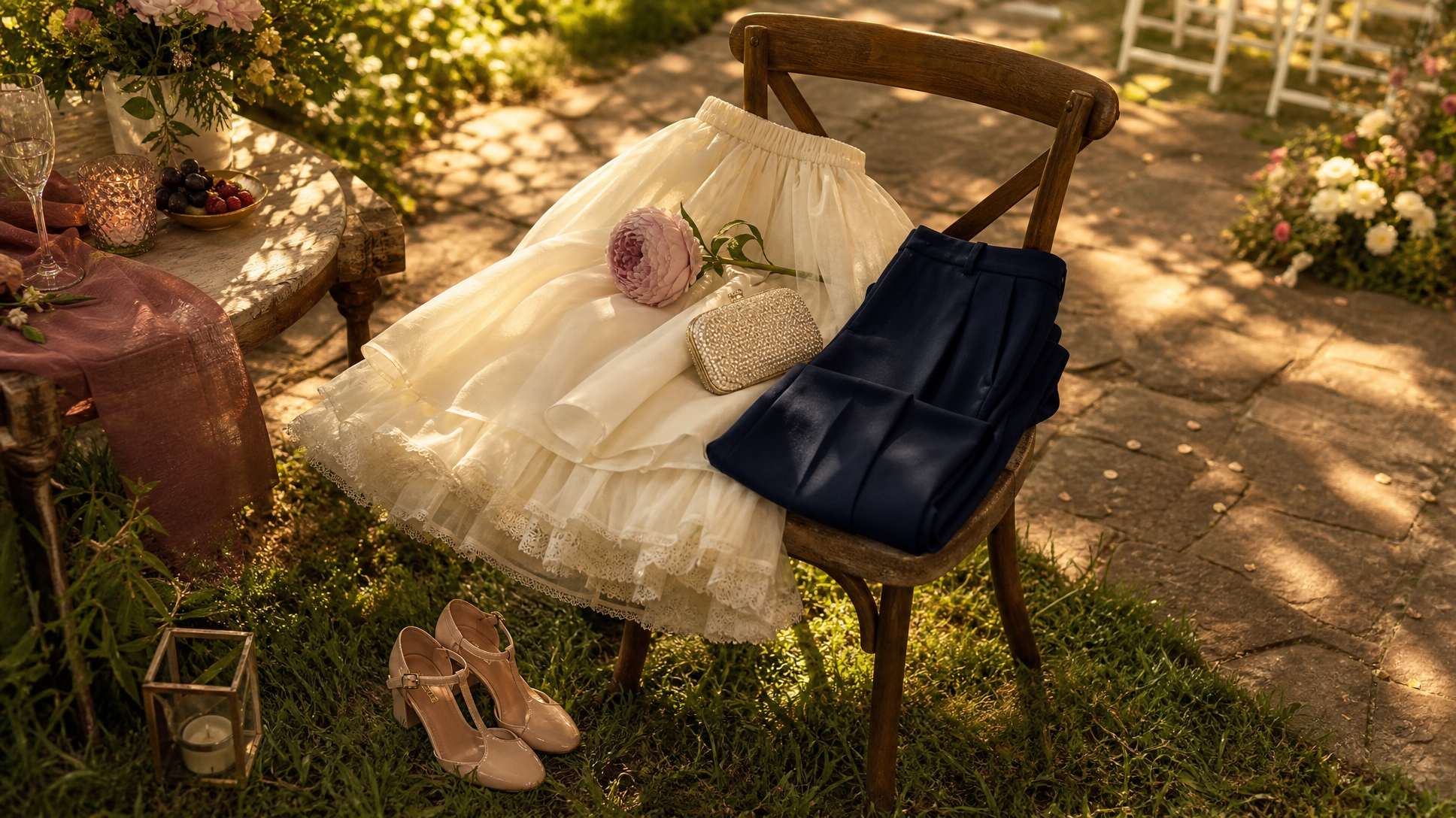
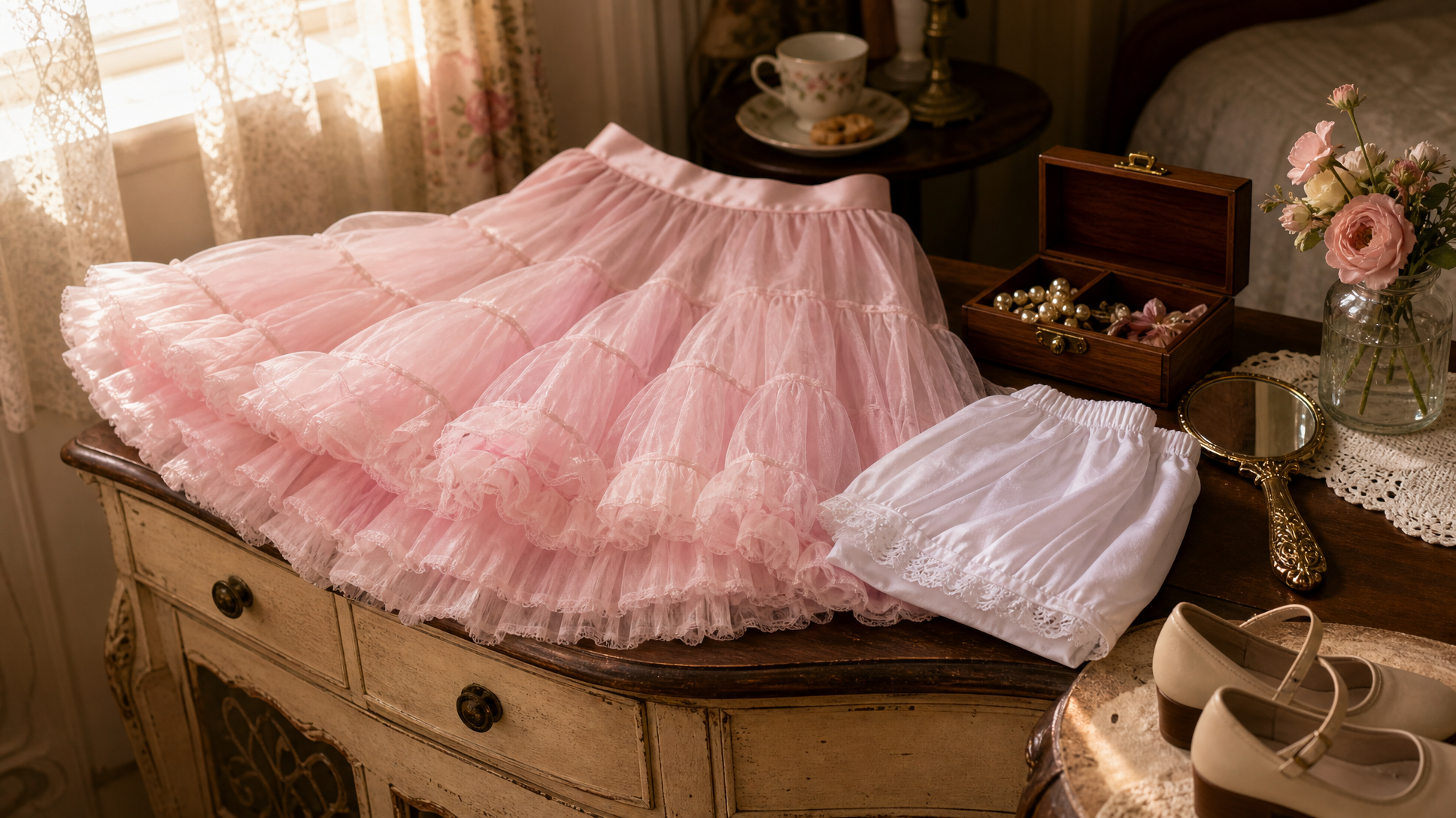
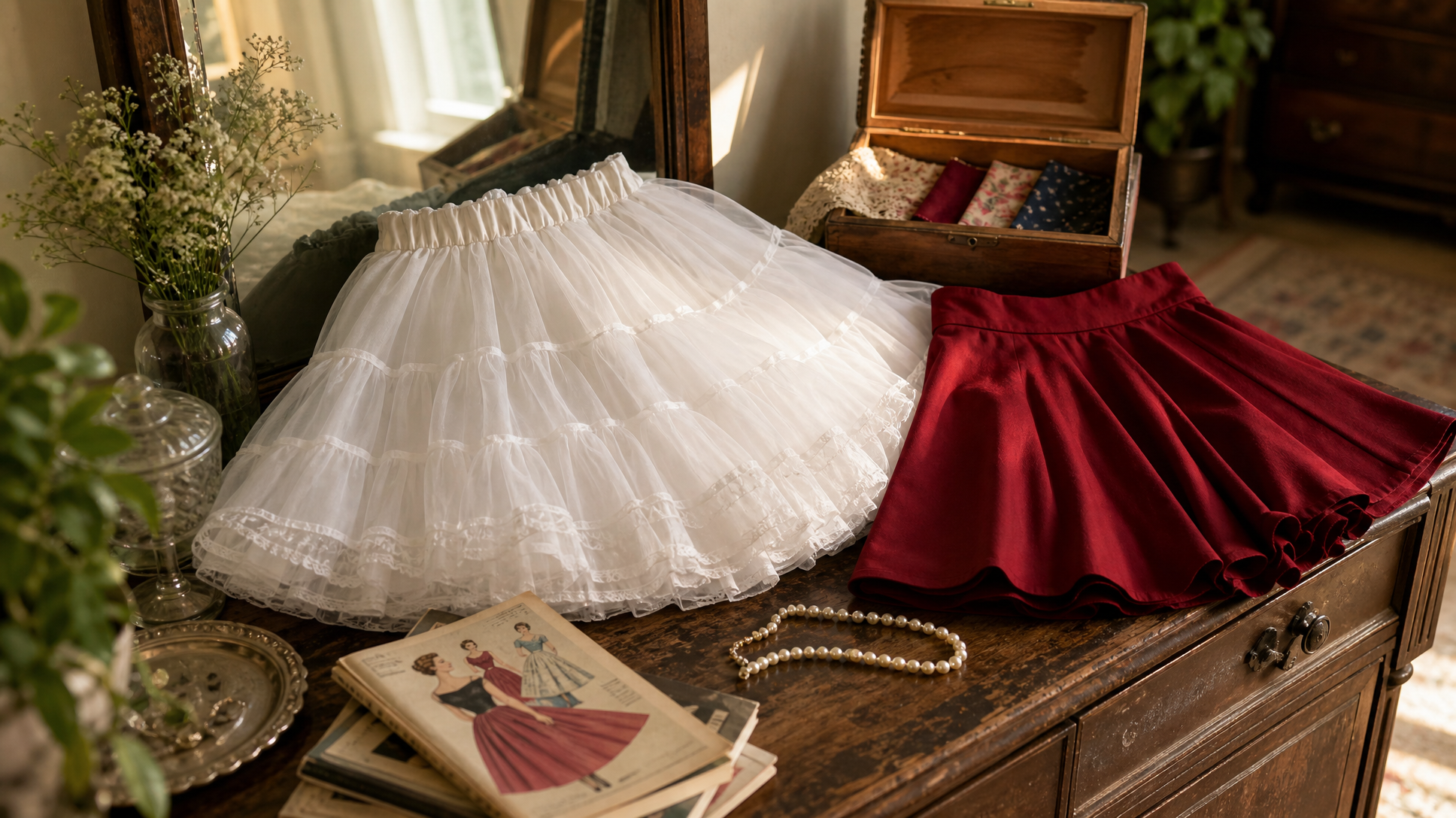
Choose the Right Colors: Neutral shades like black, white, navy, or cream keep your look elegant and understated. Avoid overly pastel or shiny tones that might feel costume-like unless intended.
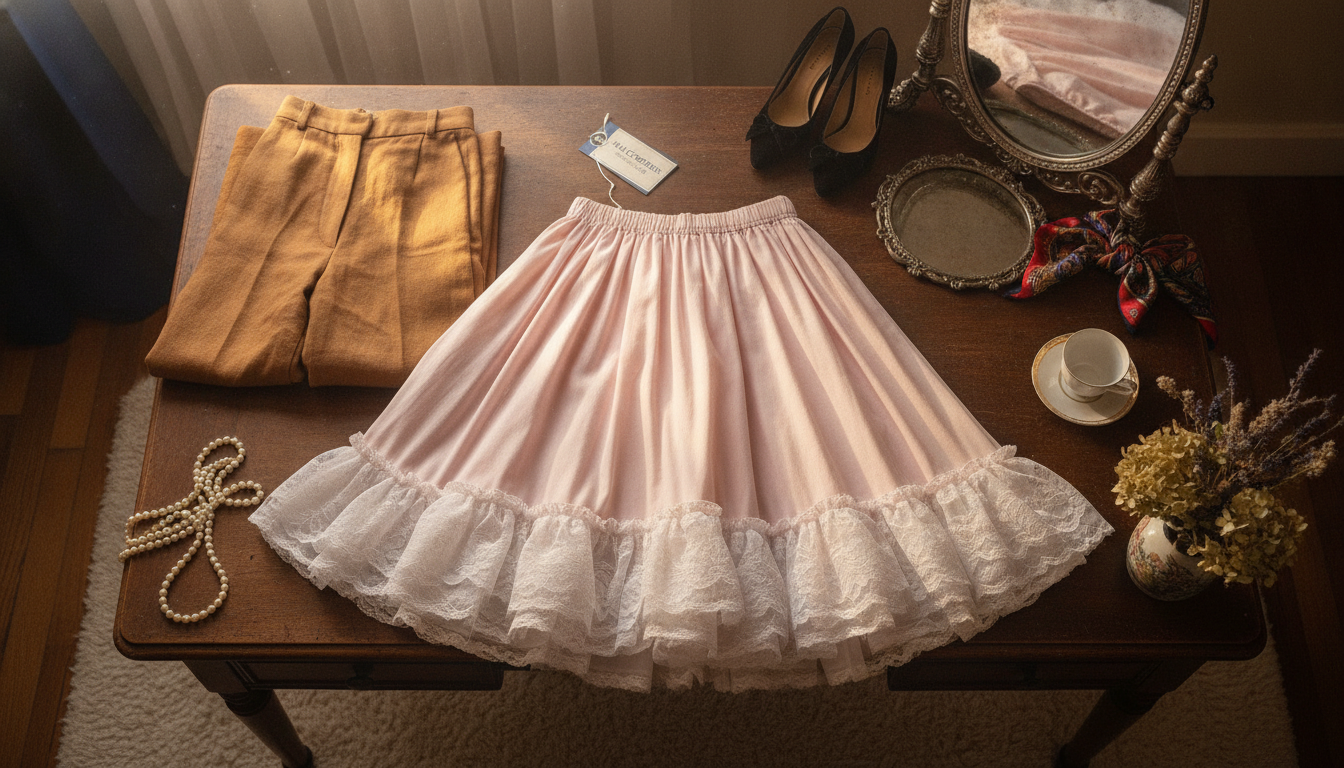
Pair Thoughtfully: Combine with fitted modern tops or jackets to balance volume and keep fresh silhouette lines. Complement with contemporary shoes, accessories, and hairstyles to avoid looking too vintage. Learn more at How to Choose and Style Petticoats for Every Occasion.
"Choosing subtle colors and combining with modern elements keeps petticoats classy and fun." – A Reddit sewing community takeaway
2. How to Construct a Multi-Use Petticoat: Versatility Meets Practicality
The Drawstring Waist: Adjustable Fit and Volume
Start with a waistband about 15 inches larger than your natural waist for adjustable gathers:
Shift fullness front-to-back, altering the skirt’s silhouette
Switch from an 1830s rounded bell shape to an 1890s trumpet shape
Add comfort by loosening or tightening as needed
Detachable Ruffles Using Snap Tape
Sew three rows of snap tape on the skirt for attachable tulle ruffles:
Easily change silhouette by repositioning ruffles
Create classic shapes without multiple petticoats
Fast adjustments save time at events
Tip: Use a sturdy machine needle to handle fabric and tape layers and mark snap points evenly.
Structure With Cording at the Hem
Sew seven rows of 3mm cotton cording in a spiral for volume and shape retention
Curved hems with cording are challenging—consider A-line hem shapes for easier sewing
Fabric Choices and Construction Tips
Medium-weight sturdy fabrics for durability
Lightweight tulle/netting for detachable ruffles to avoid bulk
Avoid complex curved hem panels to ensure even fullness
Mark snap tape and ruffle placement before sewing for symmetry
3. Modern Alternatives to Historical Petticoats
If sewing isn’t feasible or you need quick solutions:
Bridal Hoops: Inexpensive hoops add volume without complex sewing
Safety-Pinned Netting: Layer stiff netting quickly with safety pins for ruffles
Mix and Match Layers: Combine hoops and netting for adjustable volume
4. Applications for Costume Enthusiasts and Event Attendees
One multi-use petticoat fits various historical shapes
Saves packing space for multi-day conventions or weddings
Encourages creative styling with detachable elements
Cost-effective versus multiple single-use petticoats
Balances historical look with modern convenience
5. Summary: Best Practices for Petticoat Construction and Styling
Use a drawstring waist for adjustability
Attach snap tape for versatile ruffle placement
Prefer simple A-line shapes over curved hems
Sew cording carefully to enhance shape
Consider modern layering options like bridal hoops
Style in neutral colors and appropriate settings
Enjoy creative freedom with adaptable garments
By combining these styling and construction tips, a well-crafted multi-use petticoat can transform your wardrobe — perfect for historical reenactment, cosplay, or modern elegance. It’s more than clothing; it’s a statement of versatility and fun.
Featured Product
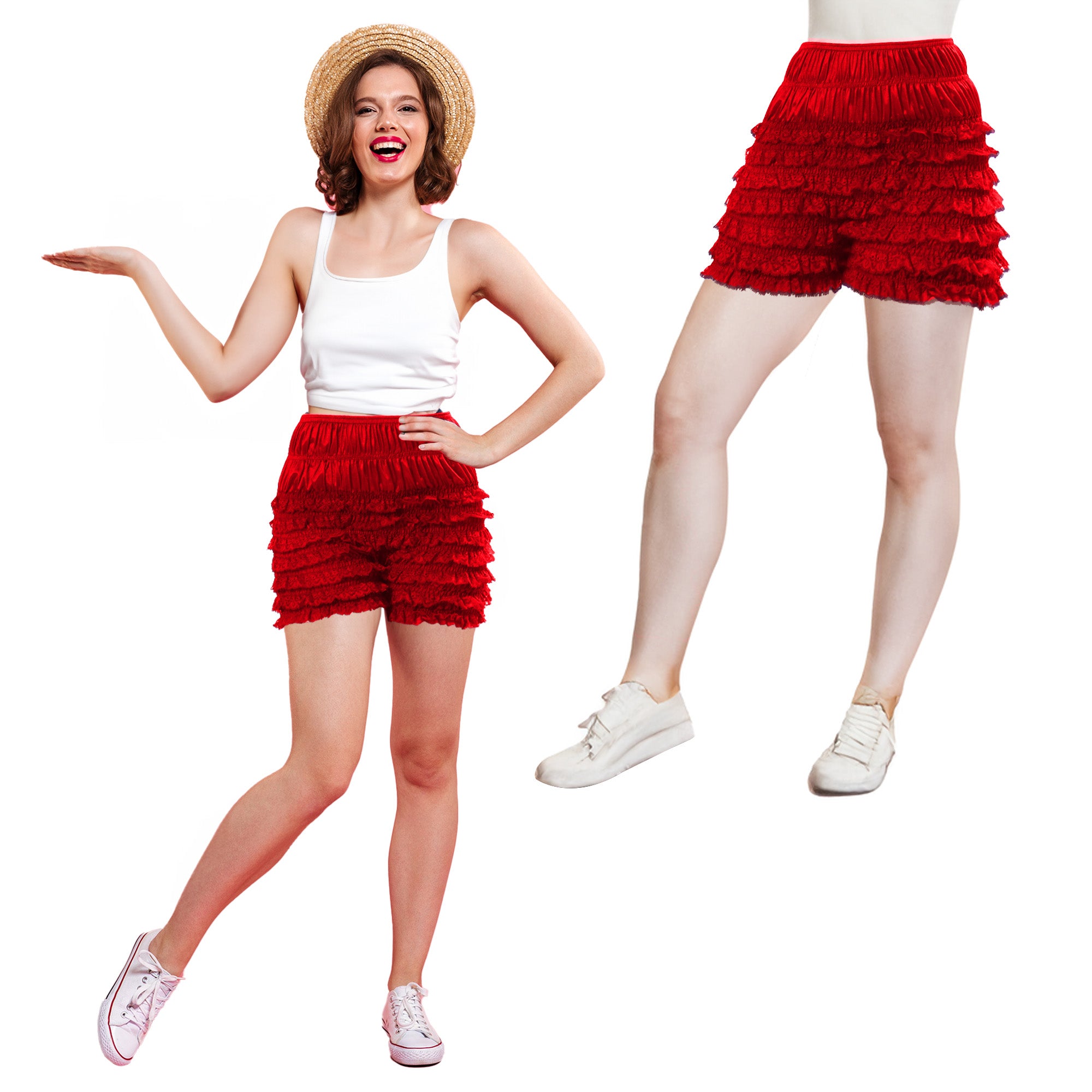
Enhance your stylish looks and performance with our featured Malco Modes Lace Ruffle Red Shorts for Women, adding playful volume and flair to any outfit:
Interested in apparel that helps you perform your best? Check out the quality sportswear and accessories at Vizari Sports for durable, innovative products that keep you moving with confidence.
Petticoats are best suited for special occasions like weddings, themed parties, or cosplay. Wearing them casually can look out of place unless styled very deliberately with modern elements.
While incorporating features like drawstring waists and snap tapes adds complexity, following clear instructions and using appropriate materials makes it manageable even for sewing enthusiasts with moderate experience.
Medium-weight sturdy fabrics provide structure and durability, while lightweight tulle or netting is ideal for ruffles. Avoid overly heavy or stiff fabrics unless paired with appropriate support like hoops.